Iran Brings Two Extinct Species Back from the Brink
Animals once thought lost forever are making remarkable comebacks in Iran, proving that conservation efforts can reverse extinction. Persian zebras and yellow deer are thriving again thanks to scientific breeding programs and local community support.
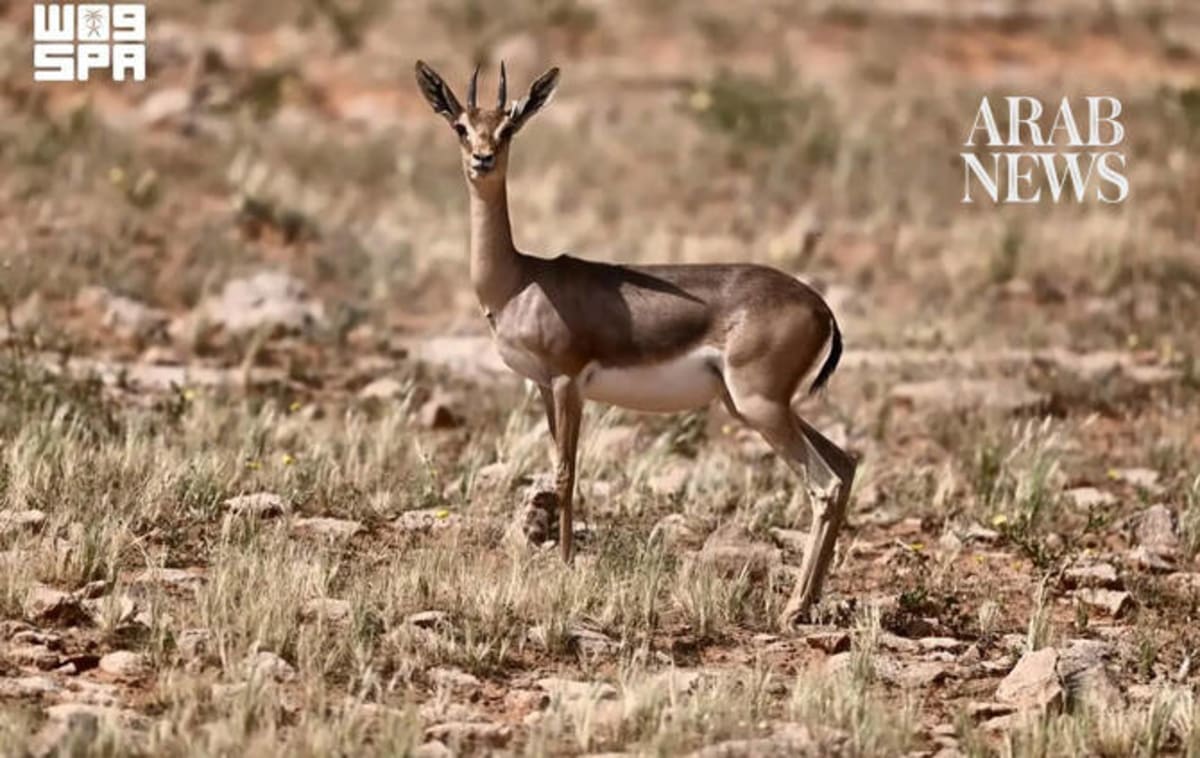
For 65 years, scientists believed Persian yellow deer had vanished from Earth until a small population appeared in Iran's Dez and Karkheh forests.
Today, those forests are celebrating new births. The latest fawn arrived in March at Karkheh National Park, a living symbol of what's possible when science and community join forces to protect endangered wildlife.
Iran's Department of Environment has turned conservation into a success story. The country is home to 37,500 animal species, but 154 vertebrate species face extinction threats. Rather than accepting this loss, officials launched targeted rescue programs for the most vulnerable animals.
The Persian zebra recovery shows the strategy working. This rare onager subspecies nearly disappeared across West Asia and Central Asia. Now more than 50 roam protected habitats in Yazd province, including a foal born this year.
Scientists used a simple but effective approach. They bred endangered animals in safe environments, then moved them to restored natural habitats where they could reproduce naturally. Water monitoring and habitat protection gave the animals everything they needed to thrive.
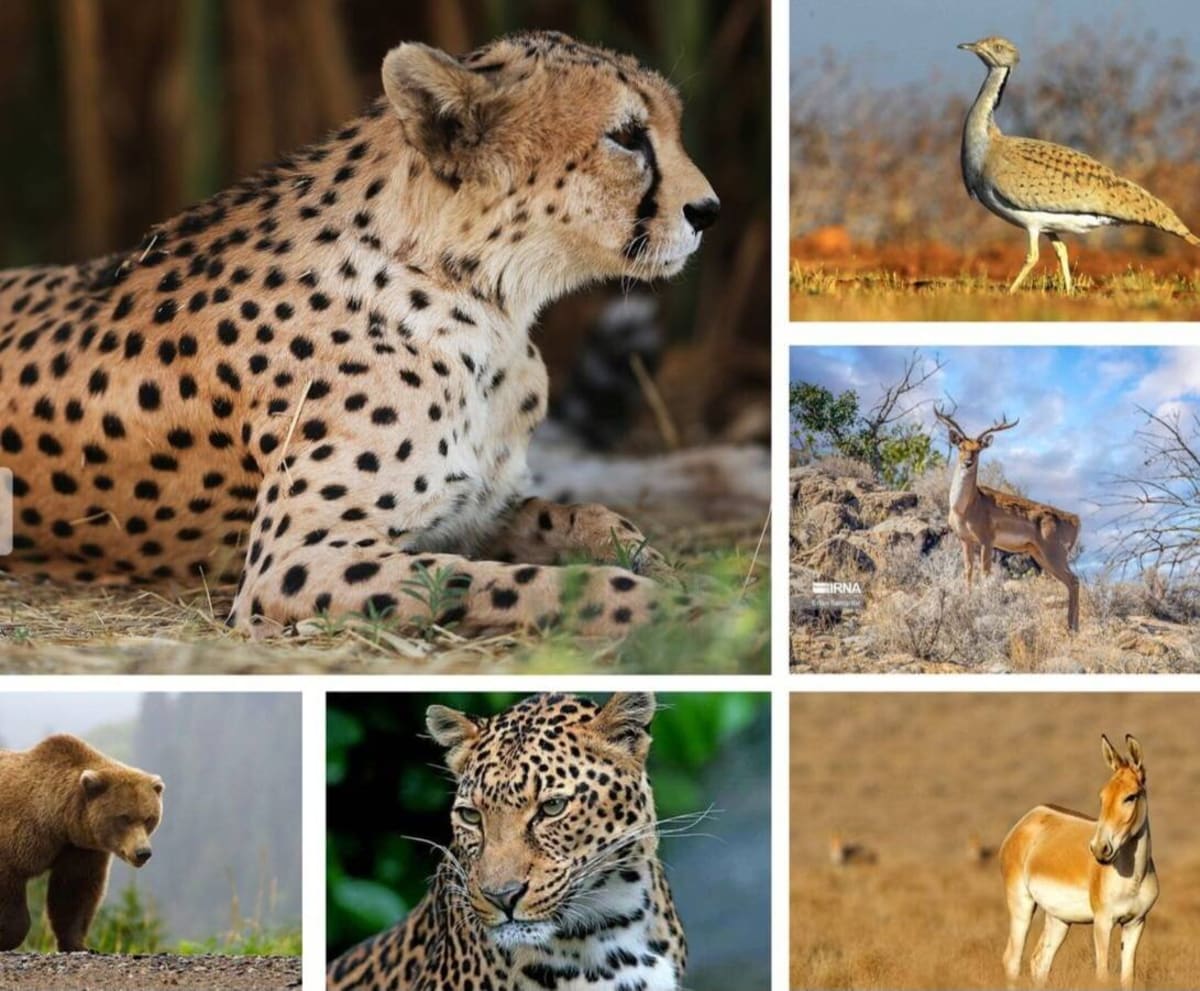
The country now protects 337 areas where wildlife can recover safely. Specialized committees work with universities to develop action plans for 25 endangered species, from Asiatic cheetahs to rare salamanders. Thirteen more plans are in development.
The numbers tell the story. Herbivorous mammal populations in protected areas grew from 227,000 to over 240,000. Cave conservation expanded by 490 percent, protecting habitats for species that depend on these unique ecosystems.
Even the critically endangered Asiatic cheetah is holding on. Twenty-seven live in protected areas, with eleven more in breeding programs. After a six-year pause, the national cheetah protection project restarted in September 2025.
Why This Inspires
These recoveries prove extinction doesn't have to be permanent. When communities invest in science-based conservation and protect natural habitats, species can bounce back from the edge of disappearance. Iran's success offers a blueprint for other countries fighting to save their endangered wildlife.
Every new birth in these programs represents hope that we can repair some of the damage done to our planet's biodiversity.
Based on reporting by Google News - Endangered Species Recovery
This story was written by BrightWire based on verified news reports.
Spread the positivity!
Share this good news with someone who needs it