Iranian Physicist Chooses South Korea Over US for Lasers
A world-renowned physicist turned down offers from the U.S., China, and Europe to become a Korean citizen, crediting the country's cutting-edge laser research facilities and quality of life. His groundbreaking work in light science could transform cancer treatment and semiconductor technology.
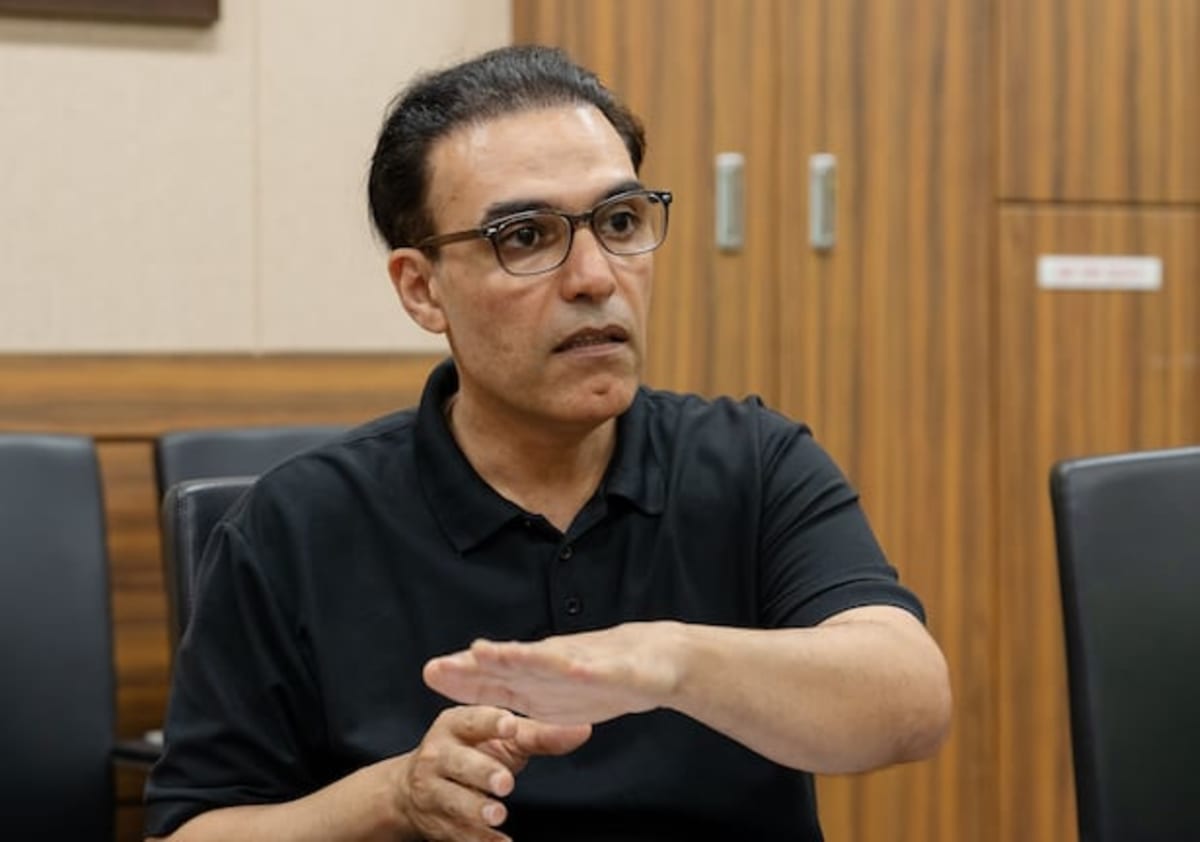
When Mirzaie Mohammad's friends started congratulating him before he even got the official letter, he knew something big had happened. The Iranian physicist had just become one of only 13 Iranians to gain Korean citizenship, and his story is challenging everything people think they know about living and working in South Korea.
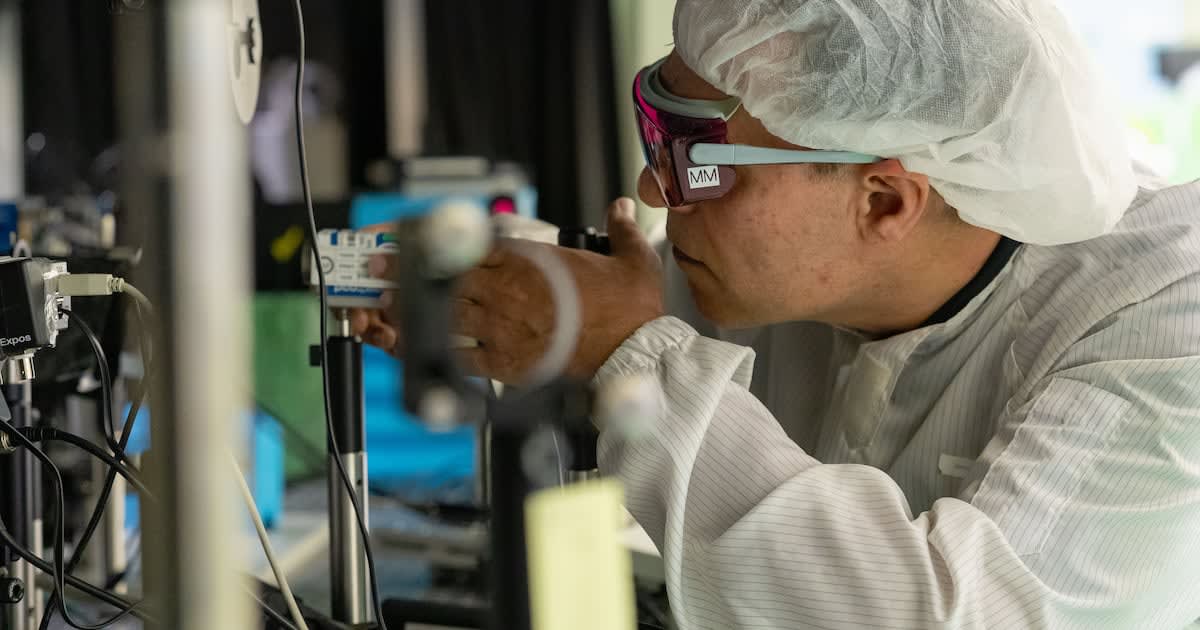
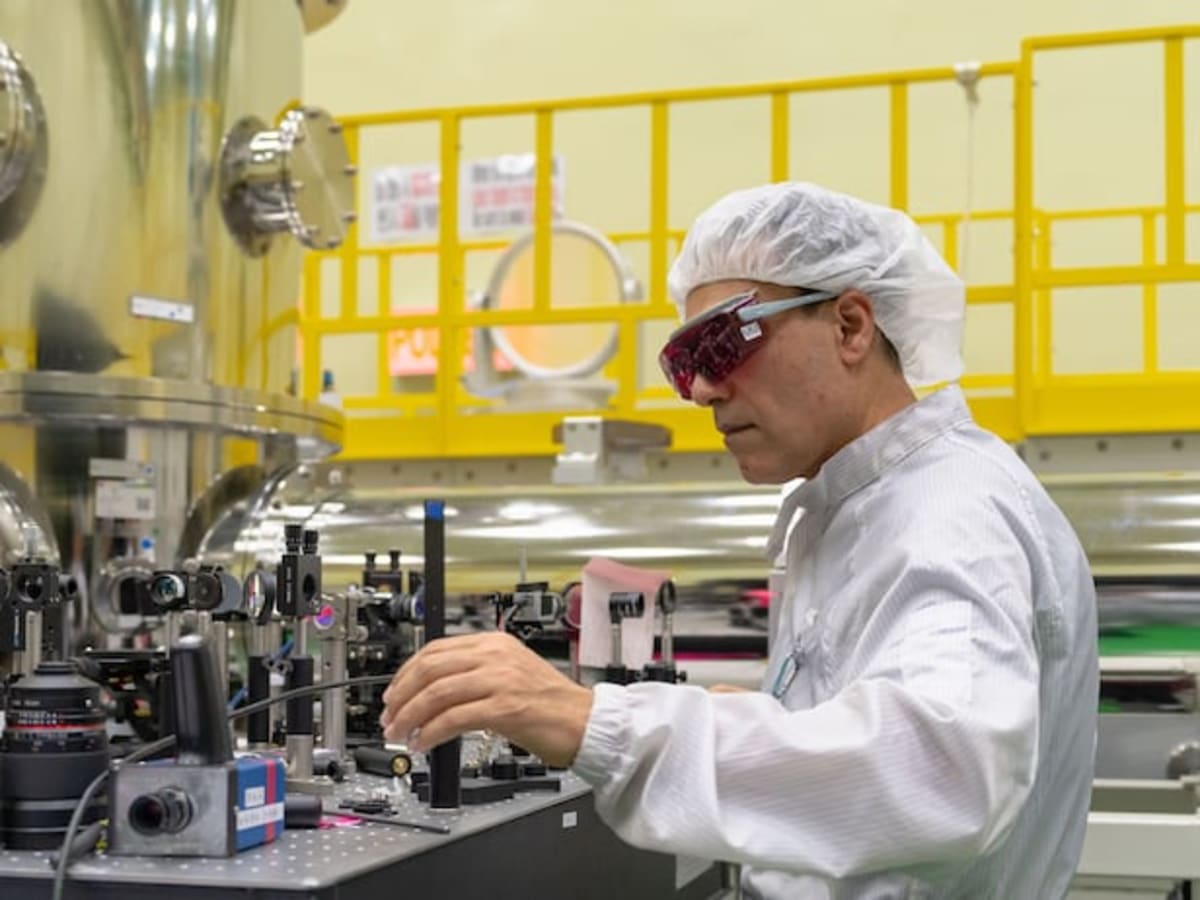
Mohammad first arrived in Korea in 2019 with one goal: access to the world's most powerful lasers. After studying electronic engineering in Iran and earning his Ph.D. in Shanghai, he discovered that South Korea's Institute for Basic Science had a laser 20 times stronger than anything he'd used before. The equipment lets him conduct experiments at mind-bending precision, hitting two targets the width of one-thousandth of a millimeter within one-quadrillionth of a second.
That decision paid off spectacularly in 2024. Mohammad became the first scientist ever to create a phenomenon called "nonlinear Compton scattering" using ultra-powerful lasers, earning him a cover feature in the prestigious journal Nature Photonics. His research isn't just theoretical. It's already being applied to cancer treatment equipment and technology that can detect defects in semiconductor chips.
The Korean Ministry of Justice recognized his contributions with special naturalization, a rare honor granted to those who significantly boost the country's scientific competitiveness. Getting there wasn't easy. Mohammad spent months memorizing Korean independence activists and studying for a citizenship test that asked him to sing the national anthem. His friends told him it was impossible, but he proved them wrong.
What started as a career move became something deeper. Mohammad's Iranian wife now researches biotechnology at Gwangju Institute of Science and Technology. Their daughter, who arrived in Korea at age two, attended regular Korean schools instead of international ones and once scored 100 on a dictation test that impressed her Korean classmates.
Why This Inspires
Mohammad's story flips the script on brain drain. While many countries worry about losing top talent, South Korea is attracting world-class scientists by investing in cutting-edge research infrastructure and creating an environment where families can thrive.
He pushes back against the "Hell Joseon" narrative some Koreans use to describe their country. Having lived around the world, Mohammad sees what many locals might miss: excellent healthcare, strong education systems, and genuine opportunities for those willing to work hard. Yes, finding housing as a foreigner remains challenging, but the overall package kept him here when he had options anywhere.
Now settled in Gwangju with his family, Mohammad plans to continue his laser research while mentoring the next generation of Korean scientists, building the stable and happy life he envisioned when he first arrived seven years ago.
More Images

Based on reporting by Google News - South Korea Breakthrough
This story was written by BrightWire based on verified news reports.
Spread the positivity!
Share this good news with someone who needs it