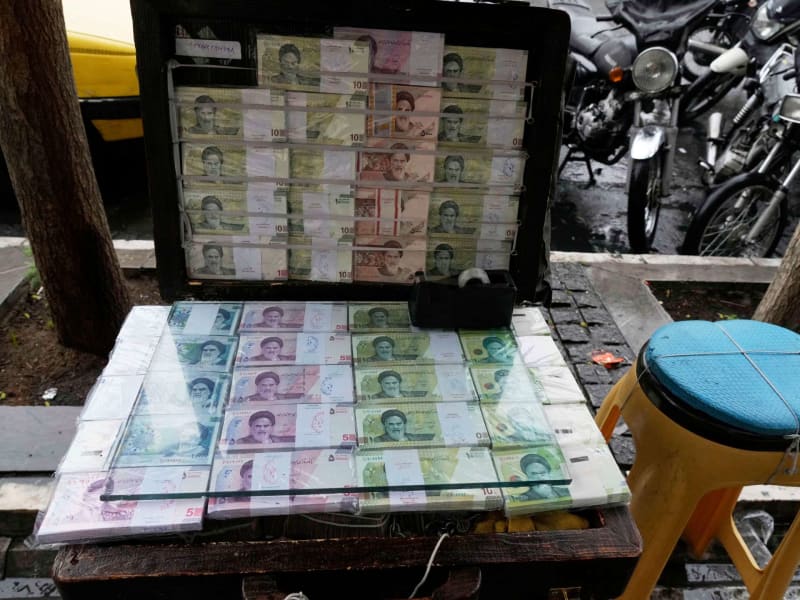
Iranian President Calls for Dialogue Amid Economic Protests, Urges Responsible Government Action
Iranian President Masoud Pezeshkian responds to nationwide economic protests by calling for dialogue and understanding. His commitment to hearing citizens' concerns signals a potential new approach to addressing deep-rooted economic challenges.
In a remarkable display of political responsiveness, Iranian President Masoud Pezeshkian has publicly acknowledged the growing economic frustrations of his nation, calling on government officials to listen and engage with protesters' legitimate concerns about the country's rapidly deteriorating economic conditions.
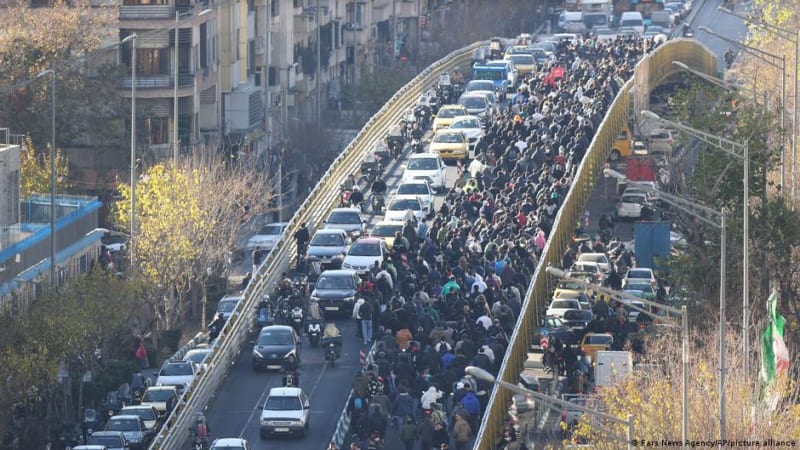
The past two days have seen significant demonstrations in Tehran, with shopkeepers and citizens taking to the streets to protest the plummeting national currency and challenging economic landscape. Pezeshkian directly addressed these concerns on social media, emphasizing that the 'livelihood of the people' remains his daily priority and tasking the Minister of the Interior with initiating meaningful dialogue with protest representatives.
The Iranian rial has been experiencing unprecedented decline against the US dollar, driven by intensifying international sanctions and ongoing geopolitical tensions. Protestors near Tehran's main technology centers and the historic Grand Bazaar have been chanting unity messages like 'Don't be afraid, we are together,' while closing their businesses to draw attention to their economic struggles.
Despite challenging circumstances, including an inflation rate hovering around 50 percent and potential tax increases of 62 percent, Pezeshkian has pledged 'fundamental actions' to reform the monetary and banking systems. His commitment comes at a critical moment when Iran's 90 million citizens are experiencing significant economic pressure from multiple fronts, including international diplomatic tensions and internal economic challenges.
The protests echo previous nationwide demonstrations from 2022 and 2023, which were sparked by broader social grievances. While Iranian state media has attempted to frame the current unrest as primarily currency-related, the underlying issues appear more complex, touching on fundamental concerns about economic stability, government responsiveness, and citizens' quality of life.
Iran's current challenges extend beyond economic metrics, with the country simultaneously confronting a severe water crisis, restricted internet access, and ongoing international pressures related to its nuclear program. Pezeshkian's willingness to publicly acknowledge and potentially address protesters' concerns represents a potentially significant shift in governmental approach, signaling a potential openness to dialogue and reform.
As tear gas-equipped anti-riot forces have been deployed to manage demonstrations, the president's call for understanding and responsible action offers a glimmer of hope for peaceful resolution. His explicit commitment to hearing and addressing 'legitimate demands' suggests a nuanced approach to managing social tension during a period of significant economic and political complexity.
Based on reporting by Al Jazeera
This story was written by BrightWire based on verified news reports.
More Good News
 💡 Solutions
Iranian Students Rise Up: Economic Pressures Spark Nationwide Campus Demonstrations
 💡 Solutions
Bulgaria Embraces the Euro: A Milestone in Economic Integration
 💡 Solutions