Irish Drones Find Beach Plastic, Turn Cleanup Into a Game
A new app uses drone footage and AI to pinpoint exactly where plastic litter hides on Irish beaches, turning volunteer cleanup into an efficient treasure hunt. Over 2,000 people across nine countries are already using the free technology to tackle coastal pollution.
Volunteers cleaning Ireland's beaches used to wander blindly, missing pollution hotspots while scrubbing the same stretches over and over. Now drones and artificial intelligence are showing them exactly where to look, turning beach cleanup into something that actually works.
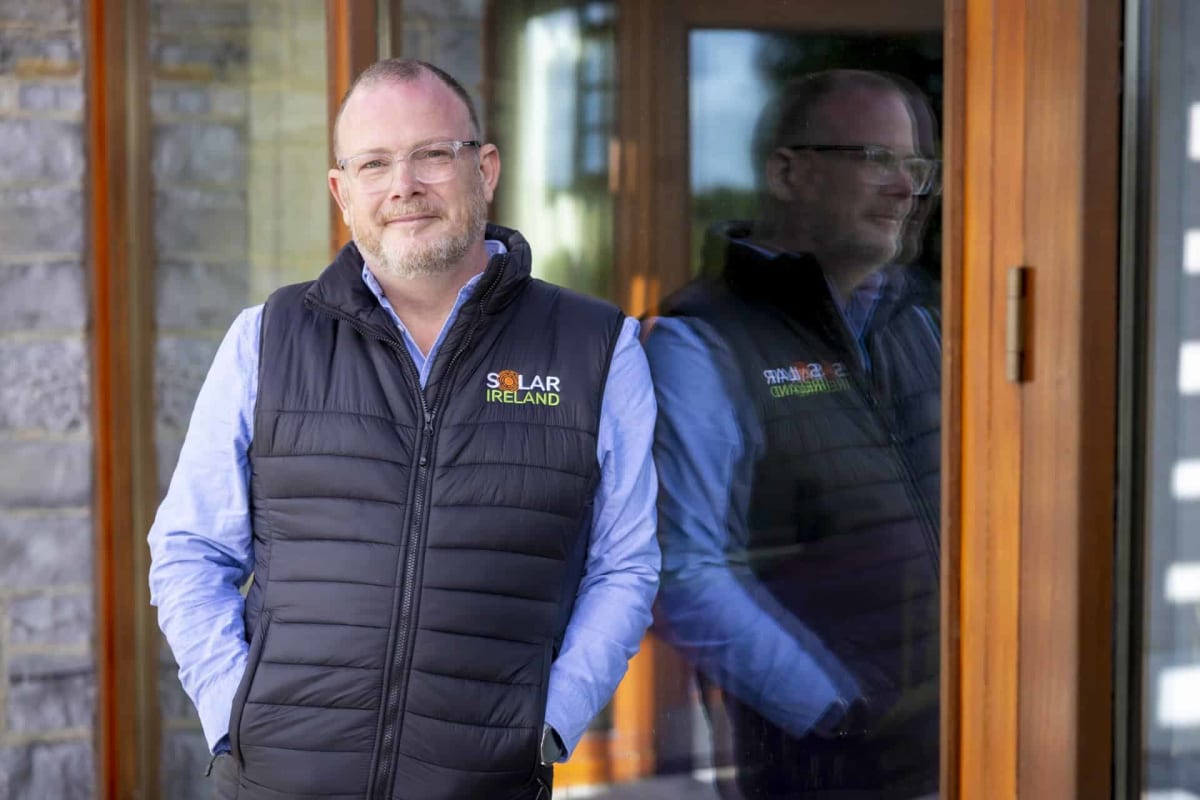
Gerard Dooly grew up walking the beaches of County Waterford, where plastic bottles and fishing gear cluttered the sand. Years later, working in marine robotics at the University of Limerick, he wondered if drones could solve what community groups couldn't see.
His team built a system that flies drones over coastlines, using machine learning to spot plastic as small as a bottle cap from 30 meters up. The technology distinguishes trash from seaweed, driftwood, and shells, then sends GPS coordinates to a free mobile app that guides volunteers straight to the litter.
The early versions struggled. The algorithm confused driftwood for bottles and got tripped up by shadows. After hundreds of test flights along the coasts of Clare and Galway, the system now detects plastic items as tiny as 1 centimeter.
Ireland needs this help desperately. With 3,172 kilometers of coastline, the country has the longest per capita in Europe. A 2018 study found 73% of deep sea fish in Irish waters had eaten plastic particles, and more than 250 species now ingest plastic debris.
The drone surveys revealed something crucial. Some coastal stretches accumulate plastic five to ten times faster than neighboring areas because of ocean currents and river mouths. Without systematic tracking, these hotspots stayed buried under accumulating trash.
The technology accepts footage from anyone's drone and processes it on a standard laptop. Five Irish community groups tested it with striking results, averaging 30 pieces of plastic spotted per ten minute flight.
The project has distributed over 30 drones to partners across Ireland and Europe through the BluePoint initiative. In Spanish Point, County Clare, the local volunteer group using the technology was named joint Clean Coast Community Group of the Year 2024.
The Ripple Effect
The impact stretches beyond Ireland's shores. Open source software and drone technology now operate in nine countries, engaging over 2,000 volunteers. Pilot programs run in France, Spain, and Portugal, mapping plastic pollution across European coastlines.
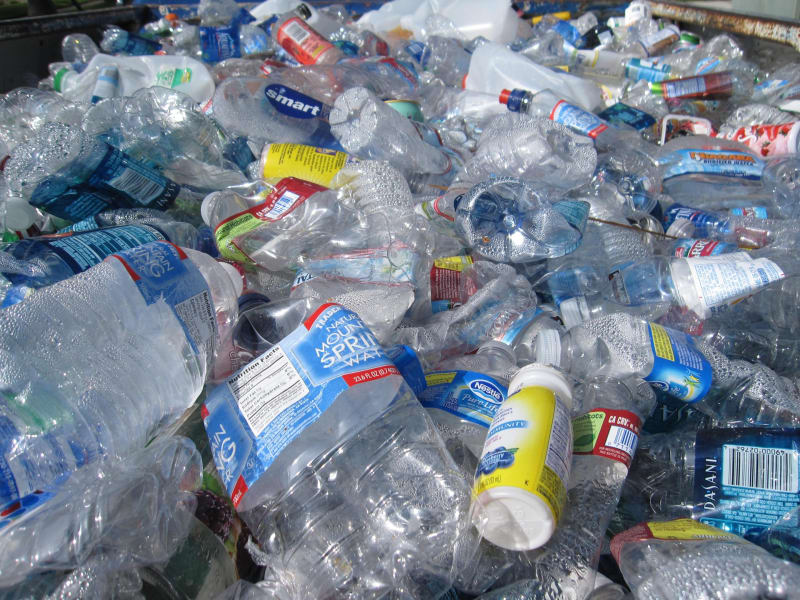
Partners like Decathlon are exploring how to transform recovered beach plastic into sports equipment and textiles. The challenge involves contamination from sand and salt, but ongoing research is giving manufacturers the data they need to design proper recycling processes.
What started as one researcher's childhood frustration with littered beaches has become a movement that makes invisible pollution visible and turns overwhelming cleanup into targeted action.
More Images


Based on reporting by Phys.org
This story was written by BrightWire based on verified news reports.
Spread the positivity!
Share this good news with someone who needs it