Iron Powder Could Store Renewable Energy Long-Term
Scientists discovered that iron powder can store renewable energy for months and work in converted coal plants. This breakthrough could make wind and solar power available worldwide without building massive new infrastructure.
What if the solution to storing clean energy was hiding in plain sight, literally rusting in front of us?
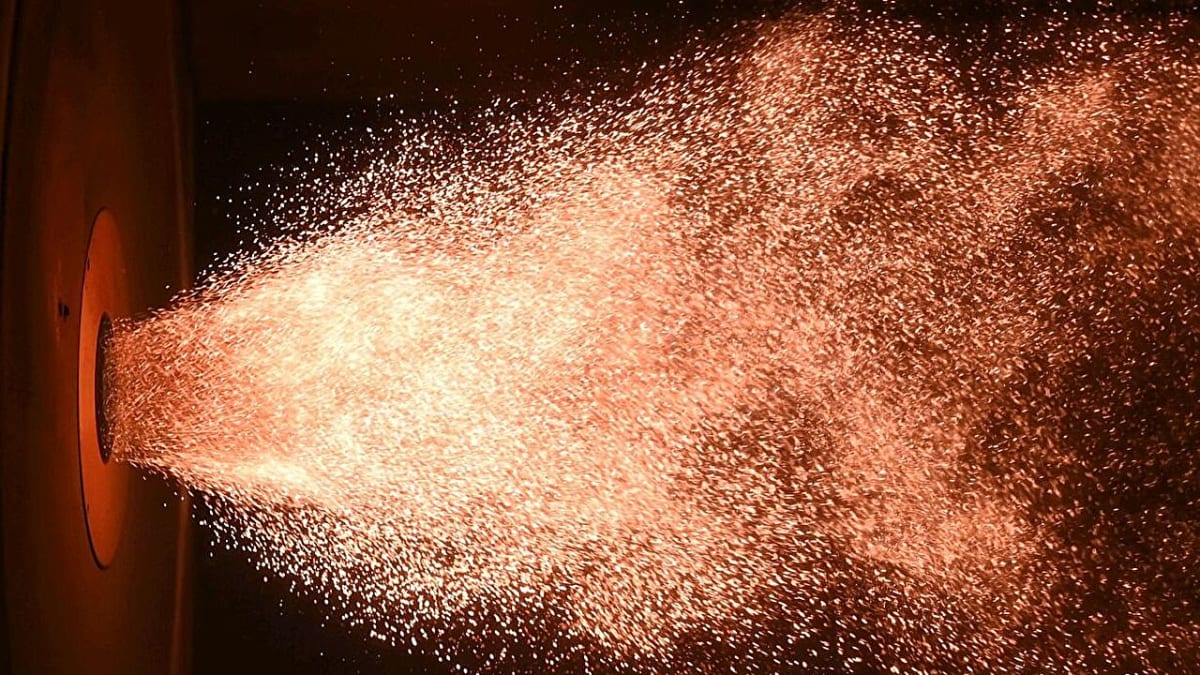
Researchers at Germany's Karlsruhe Institute of Technology just proved that iron powder could revolutionize how we store and transport renewable energy. The process is surprisingly simple: burn iron powder to create energy and rust, then use green hydrogen to convert the rust back into iron. Repeat endlessly with zero carbon emissions.
The real genius lies in what this means for our existing infrastructure. Lead researcher Julia Schuler discovered that old coal power plants could be retrofitted to burn iron powder instead. The turbines, generators, and grid connections stay the same, with modifications needed only in the heat generator.
Iron powder solves a massive problem that's been holding back renewable energy. Unlike hydrogen, which needs expensive pipelines and special storage facilities, iron powder is easy to store and ship anywhere in the world. Picture this: wind farms in coastal regions or solar arrays in deserts could convert their excess energy into iron powder and send it wherever it's needed.
The team used computer models to map out Europe's energy future through 2050. Iron didn't replace hydrogen in their projections, but it filled critical gaps. Countries with limited hydropower or underground storage options especially benefited from iron powder storage during long stretches of cloudy, windless weather.
Germany stands to gain the most from this technology. The country has numerous coal plants that could be converted rather than demolished. That means jobs preserved, infrastructure saved, and faster progress toward clean energy goals.
The Ripple Effect
This discovery creates opportunities far beyond Europe. Desert nations with abundant solar power could become energy exporters without building complex hydrogen infrastructure. Island nations could achieve energy independence more affordably. Developing countries could leapfrog expensive infrastructure investments.
The economic modeling revealed something encouraging: across every scenario tested, iron powder systems were cost-effective parts of a clean energy future. The technology competed head-to-head with batteries and hydrogen storage and earned its place based purely on economics, not subsidies or mandates.
Two factors will determine whether we enter this new "iron age." First, how complex and costly will retrofitting existing power plants actually be? Second, how efficiently can we reduce iron oxide back to pure iron at scale?
The researchers published their findings in the journal Chem Circularity. Their work shows that iron powder won't be the only solution, but it could be an essential piece of the clean energy puzzle that makes renewable power reliable and truly global.
Sometimes the most innovative solutions come from reimagining the oldest materials in new ways.
More Images


Based on reporting by Google News - Clean Energy
This story was written by BrightWire based on verified news reports.
Spread the positivity!
Share this good news with someone who needs it