Islamic Endowment Model Offers Path to Wealth Equality
A business leader says Saudi Arabia's ancient charity system could help fix modern wealth gaps. The model keeps giving for generations without hoarding money.
An ancient Islamic practice is getting fresh attention as a possible solution to today's growing wealth inequality problem.
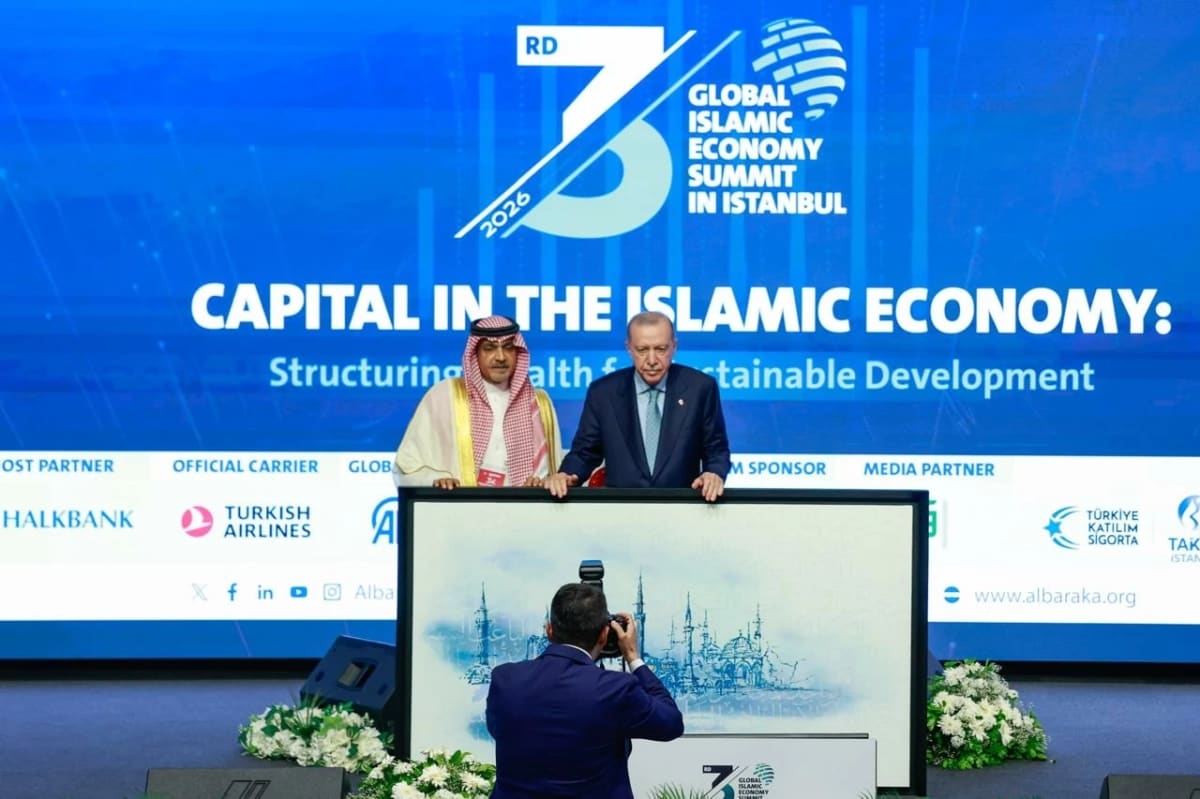
Abdullah Saleh Kamel told global business leaders in Istanbul that waqf endowments could reshape how societies build lasting wealth. These permanent charitable trusts have funded schools, hospitals, and community services across the Muslim world for centuries.
The chairman of the Federation of Saudi Chambers pointed to Saudi Arabia, Turkey, and Malaysia as countries that strengthened their endowment systems with modern laws. Now these nations are seeing how old wisdom can tackle new economic challenges.
Unlike typical investments focused on private gain, waqf endowments channel money into projects that serve communities forever. A single endowment keeps producing benefits across generations instead of concentrating wealth in fewer hands.
Kamel spoke at the 3rd Global Islamic Economy Summit, where he criticized how modern finance often ignores social and environmental costs. He warned that sovereign debt now crushes government budgets while tech giants accumulate unprecedented power.
The Islamic economic model offers three core principles that stand in sharp contrast. Capital should create and share wealth widely. Money itself shouldn't become a traded commodity. Resources should flow toward development through charity and endowments rather than sitting idle.
This approach promotes what Kamel calls "pure social capital" that benefits society while remaining financially sustainable. The framework also requires charitable giving through zakat, ensuring wealth circulates rather than accumulates.
The Ripple Effect
The endowment model doesn't just serve Muslim communities. Kamel emphasized that Islamic economic principles aim to benefit all humanity by balancing financial returns with social impact.
Countries adopting stronger waqf systems are discovering that supporting education, healthcare, and social welfare through endowments creates stability that benefits everyone. When wealth flows toward lasting community resources instead of private hoarding, entire societies grow stronger together.
The model also addresses corporate responsibility gaps. Many companies make charitable donations that pale compared to their environmental or social costs. Endowments require sustained commitment to genuine positive impact.
Summit participants explored how these ancient institutions could mobilize modern capital for development projects with lasting benefits. The goal is proving that financial success and social good don't have to compete.
Kamel closed with hope that this economic model could help repair broken systems and restore balance to global finance.
More Images




Based on reporting by Regional: saudi arabia development (SA)
This story was written by BrightWire based on verified news reports.
Spread the positivity!
Share this good news with someone who needs it