Island Rat Removal Brings 40,000 Seabirds Back to Life
Twenty years after clearing invasive rats from Lundy Island, more than 40,000 seabirds now call it home—the highest count since the 1930s. Puffins that nearly disappeared have surged from just 13 birds to over 1,300.
A tiny island in the Bristol Channel just proved that bold conservation action can bring species back from the edge of extinction.
Lundy Island was declared rat-free in March 2006 after a four-year effort to eliminate invasive rats that had arrived via ships and shipwrecks. The rodents feasted on seabird eggs and chicks, devastating colonies for decades.
The results two decades later are stunning. Seabird populations have exploded from 7,351 in 2000 to more than 40,000 today, making this one of the UK's greatest conservation wins.
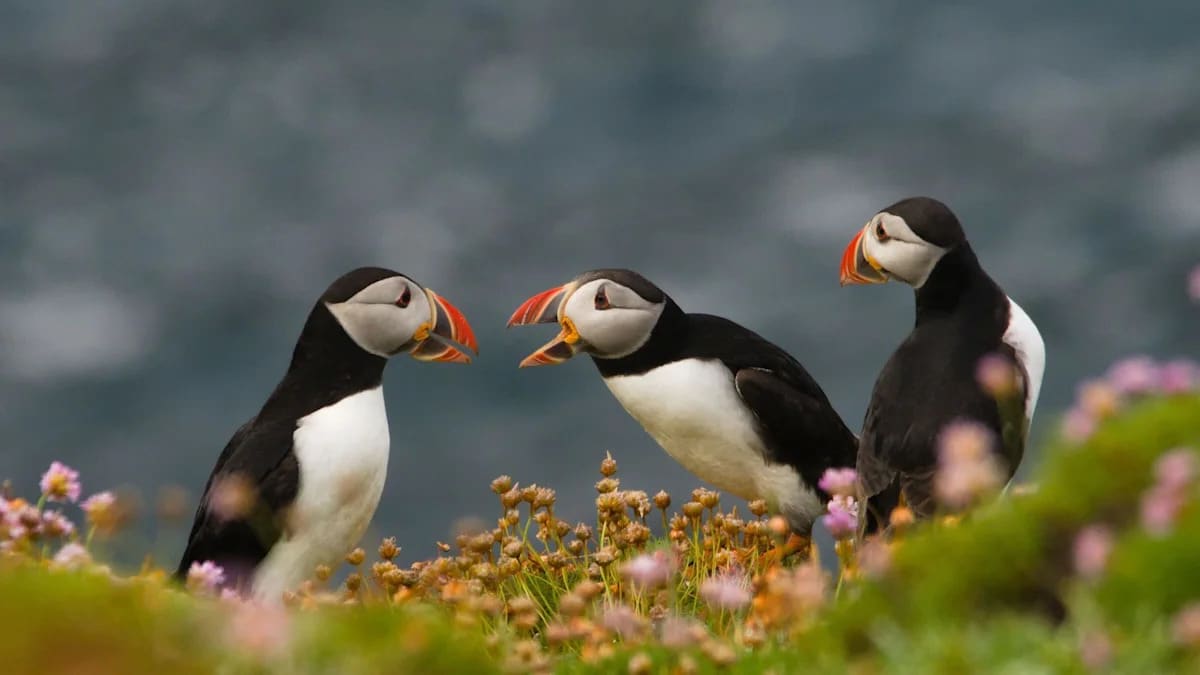
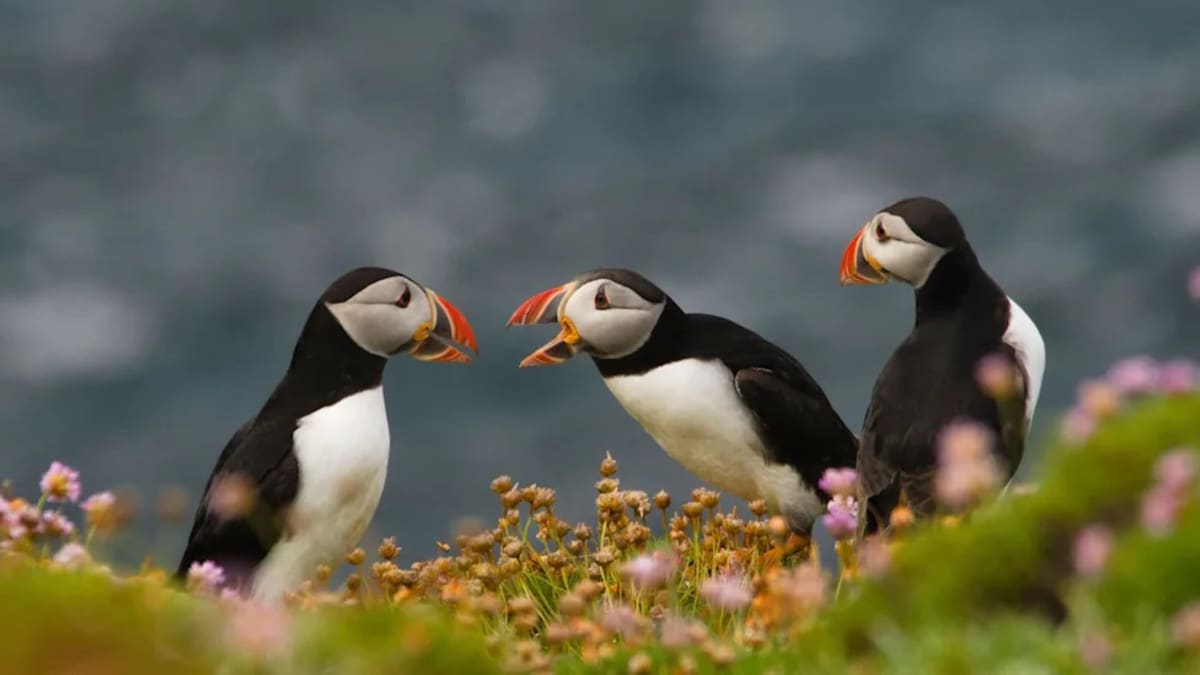
Puffins nearly vanished entirely from the island. In 2000, only 13 remained. Today, 1,335 puffins waddle across Lundy's cliffs, safe from the predators that once threatened their survival.
The recovery extends beyond puffins. Manx shearwaters have soared from under 600 birds in 2001 to more than 25,000 now. The island hosts 95% of all Manx shearwaters breeding in England.
Razorbills and guillemots have also returned in force. Species that conservationists thought were permanently lost have reappeared on the island.
Keeping Lundy rat-free requires constant vigilance. Boat crews conduct cargo checks before docking. Monitoring stations across the island contain chocolate wax blocks that would show bite marks if rats returned.
Visitors report any suspicious signs, and an Island Response Team stands ready to act immediately if a rat is ever spotted again.
The Ripple Effect
The partnership that saved Lundy brings together the RSPB, Natural England, the National Trust, and the Landmark Trust. Their success shows what coordinated action can achieve when organizations unite around a shared goal.
Helen Booker from RSPB sees bigger possibilities ahead. If one island can restore more than 40,000 seabirds, imagine what scaling this approach across the UK could accomplish for struggling species nationwide.
Ben McCarthy from the National Trust credits strong partnership working and bold thinking for the remarkable achievement. The ongoing commitment to biosecurity ensures the gains won't be lost.
Derek Green, Lundy's managing director, calls the recovery one of the UK's great conservation success stories but emphasizes that vigilance must continue. The chocolate blocks get checked, boats get inspected, and the Response Team stays ready.
Conservationists now push for Lundy to receive Special Protection Area status, which would safeguard seabirds not just on land but in surrounding waters too.
From 13 puffins to more than 1,300—that's the power of refusing to give up on a species.
More Images

Based on reporting by Google News - Conservation Success
This story was written by BrightWire based on verified news reports.
Spread the positivity!
Share this good news with someone who needs it