Isle of Man Restores Ancient Bogs to Fight Climate Change
A tiny team of three is bringing 20,000 acres of ancient peatland back to life on the Isle of Man, turning damaged hillsides into thriving carbon-storing ecosystems. Their restoration work is already attracting dragonflies, birds, and thousands of tiny invertebrates to newly healed bogs.
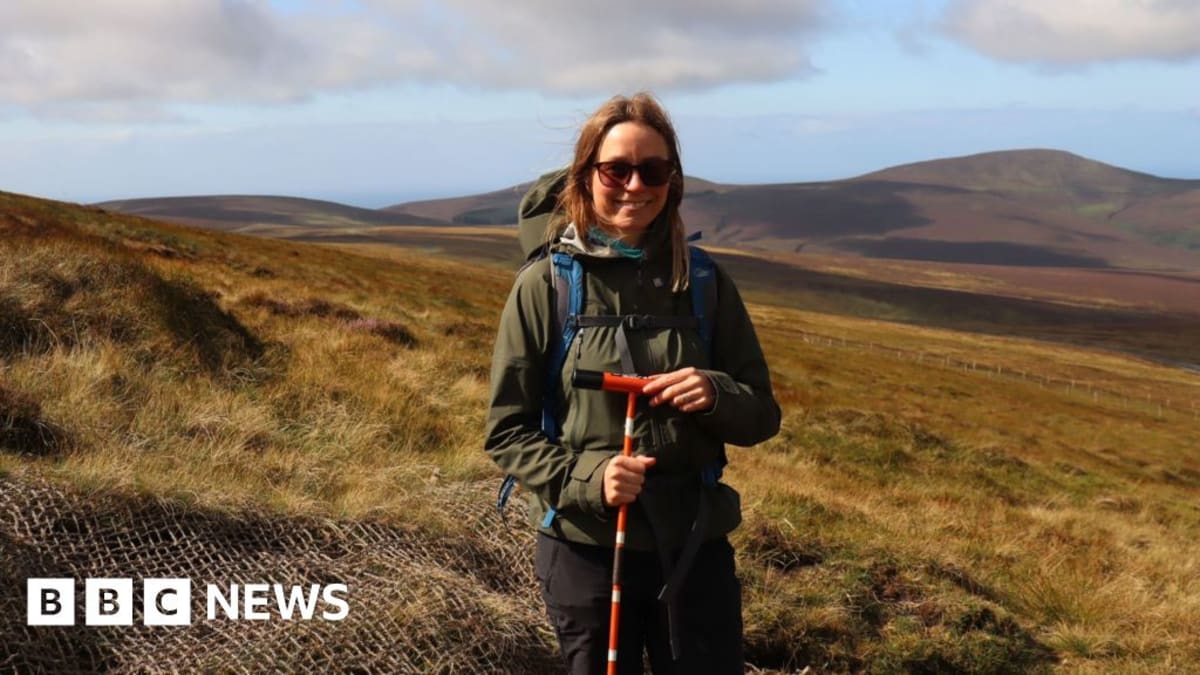
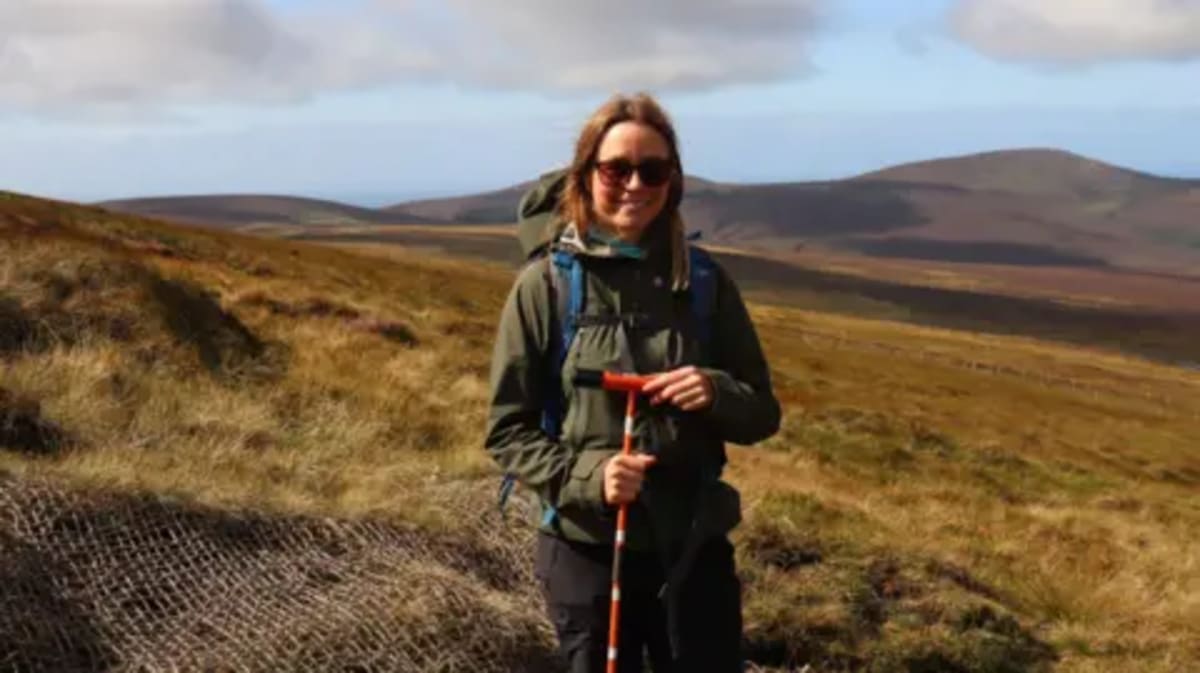
Sarah Hickey pushes a metal rod deep into the wet Manx hillside until it nearly disappears into her hands, measuring thousands of years of stored carbon beneath her boots.
As the Isle of Man's only Peatland Officer, Hickey leads a team of just three people managing about 20,000 acres of upland hills. Their mission is finding damaged patches of ancient bog and bringing them back to life.
Peat might not look like much, but it's the most powerful carbon-storing soil on Earth. These waterlogged landscapes built up over millennia, trapping partially decayed plants and organic matter that lock away more carbon than forests.
For centuries, islanders stripped the hills bare for fuel after running out of timber by the 1600s. They cut peat into blocks and dried them for cooking and heating their homes. The practice finally stopped in 2020, but the scars remain, with bare peat faces still collapsing and washing sediment into reservoirs.
Hickey's team uses lightweight diggers to gently reshape eroded slopes, folding vegetation over exposed peat. They protect vulnerable areas with bio logs and netting that keeps the ground shaded and damp so new plants can take root.
The real hero of bog restoration is sphagnum moss. This remarkable plant doesn't just grow in peatlands, it actually creates them by holding massive amounts of water.
The moss slows rainfall moving downhill, reduces flooding, and filters sediment before it reaches water supplies. Healthy peat can be up to 90% water, making it remarkably fire-resistant as wildfires become more common during summer months.
The Ripple Effect
The restored bogs are becoming havens for wildlife that depends on these unique habitats. Ground-nesting birds like hen harriers need open, treeless bog where predators can't perch and hunt, while the wet ground breeds the invertebrates their chicks need to survive.
The results can happen astonishingly fast. After installing coir logs at one site last year, Hickey and her colleagues sat down for tea beside the new pools they'd created. Within minutes, dragonflies appeared and began laying eggs in the fresh water.
A single square metre of healthy bog can support thousands of tiny invertebrates, each playing their part in a thriving ecosystem. The work is slow and muddy, but it's paying off in ways both seen and unseen.
Three people are proving that even the smallest teams can make an enormous difference when they're armed with shovels, moss, and determination.
More Images

Based on reporting by BBC Science
This story was written by BrightWire based on verified news reports.
Spread the positivity!
Share this good news with someone who needs it


