Isle Royale Wolves Rebound to Highest Numbers in 50 Years
A remote Lake Superior island that nearly lost its wolf population has seen numbers soar from just two wolves a decade ago to 37 today. Scientists braved brutal cold to document the remarkable recovery on Isle Royale, where nature runs its course with minimal human interference.
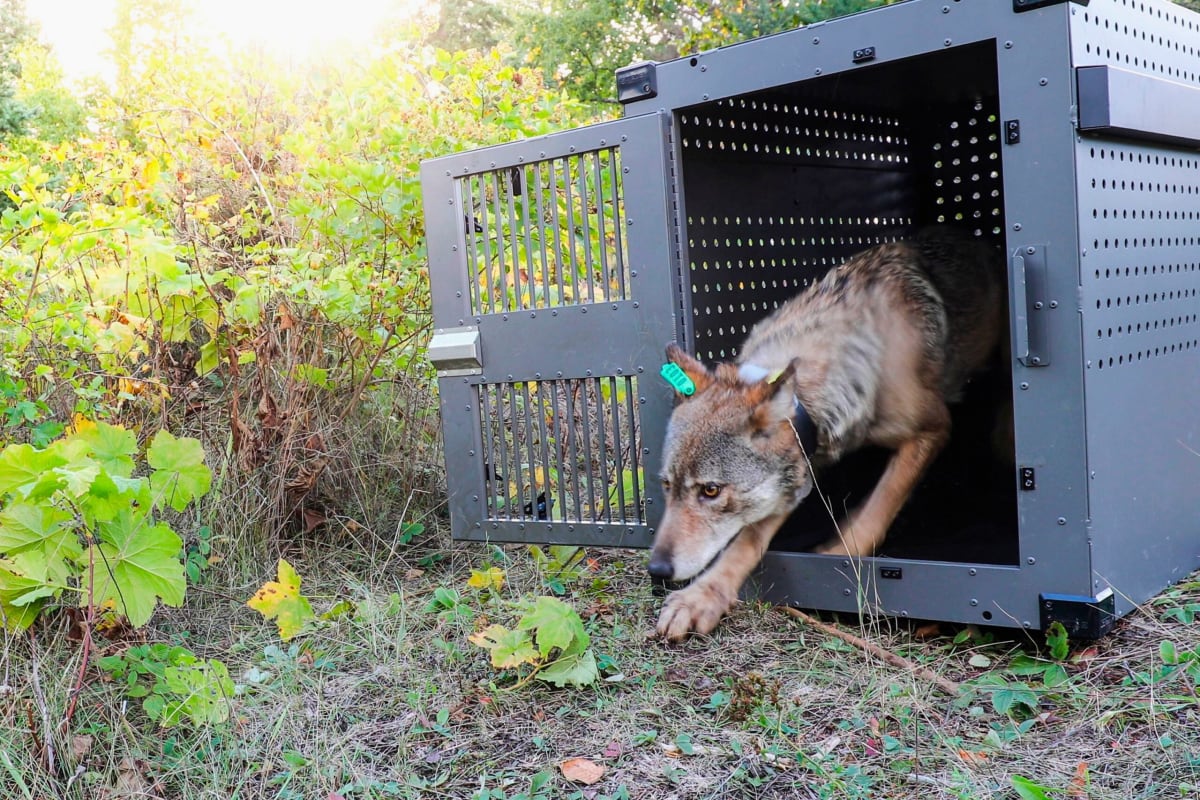
Wolves are making a stunning comeback on a remote island in Lake Superior, reaching their highest population in 50 years after nearly disappearing completely.
Isle Royale, a 134,000-acre national park between Minnesota and Canada, now hosts 37 wolves. Just ten years ago, only two remained on the island, victims of inbreeding that left pups struggling to survive.
Scientists from Michigan Tech University completed their first successful winter survey in three years this February, after previous attempts were derailed by pandemic restrictions, unsafe ice conditions, and a pilot's medical emergency. The research team endured wind chills plunging to minus 50 degrees Fahrenheit, huddling around woodstoves in rustic cabins between observation flights.
The island serves as a living laboratory where researchers have tracked wolf and moose populations since 1958. Without roads or regular human presence, scientists can observe nature's delicate balance play out in real time.
This year brought exceptional viewing conditions. Researchers spotted wolves on nearly every flight, watching packs hunt together and interact in ways rarely seen up close.
"It's always such a privilege to get to see wolves interacting, witnessing courtship behavior, pups playfully tugging on each other's tails, or a pack working together," said Sarah Hoy, one of the survey's co-leaders. One memorable moment came on Valentine's Day when researchers observed an entire pack snuggled together on the ice.
The Bright Side
The wolf recovery shows how targeted conservation can reverse even the most dire population declines. While the island's moose population has dropped significantly as wolf numbers rise, this natural predator-prey dynamic is exactly what scientists hoped to observe.
The ecosystem is finding its rhythm again. Scientists are now planning summer research to better understand how the growing wolf packs maintain balance with their environment, offering insights that could inform conservation efforts worldwide.
This summer, researchers will return to study how these thriving wolf families interact with the broader island ecosystem, writing the next chapter in one of conservation's longest-running success stories.
More Images

Based on reporting by Mongabay
This story was written by BrightWire based on verified news reports.
Spread the positivity!
Share this good news with someone who needs it