Israel and Lebanon Hold First Peace Talks in 33 Years
After more than three decades, Israeli and Lebanese diplomats sat down together in Washington for historic peace negotiations. Both nations expressed a shared goal of ending Hezbollah's military control in Lebanon and paving the way for lasting stability.
Two nations separated by years of conflict found common ground this week in a conversation that hasn't happened since 1992.
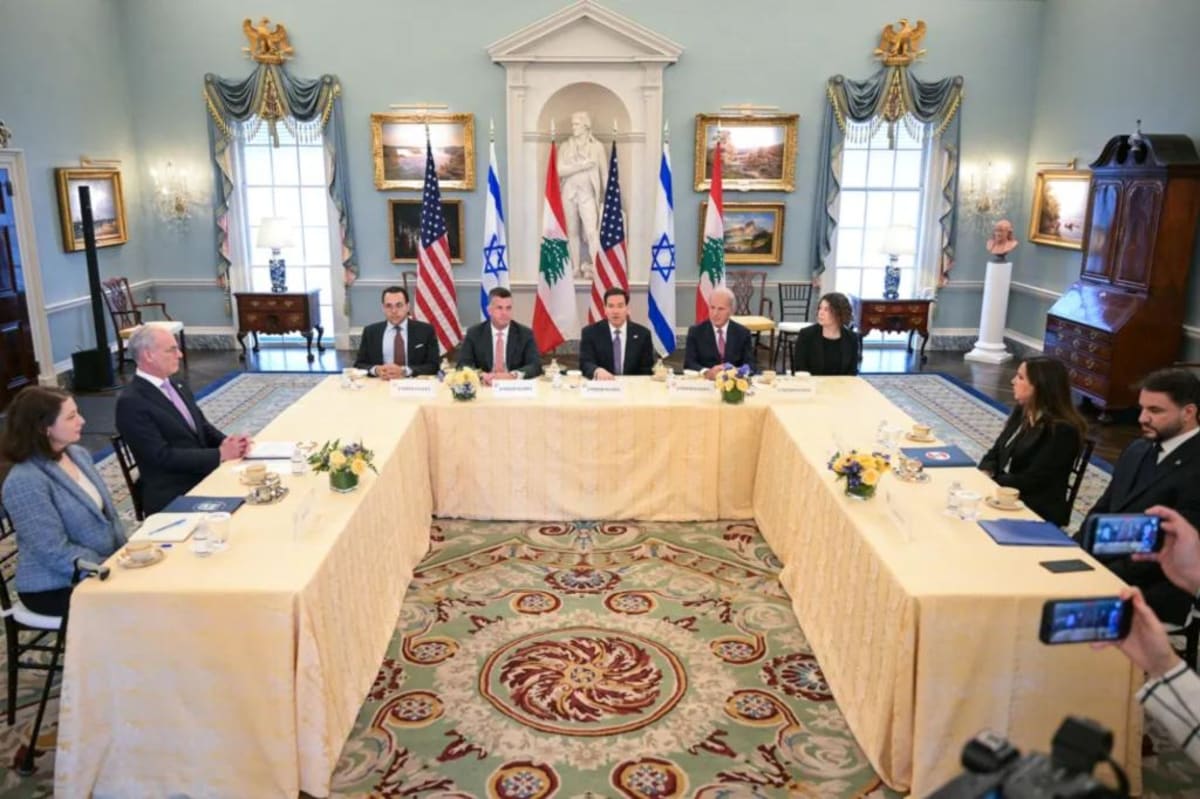
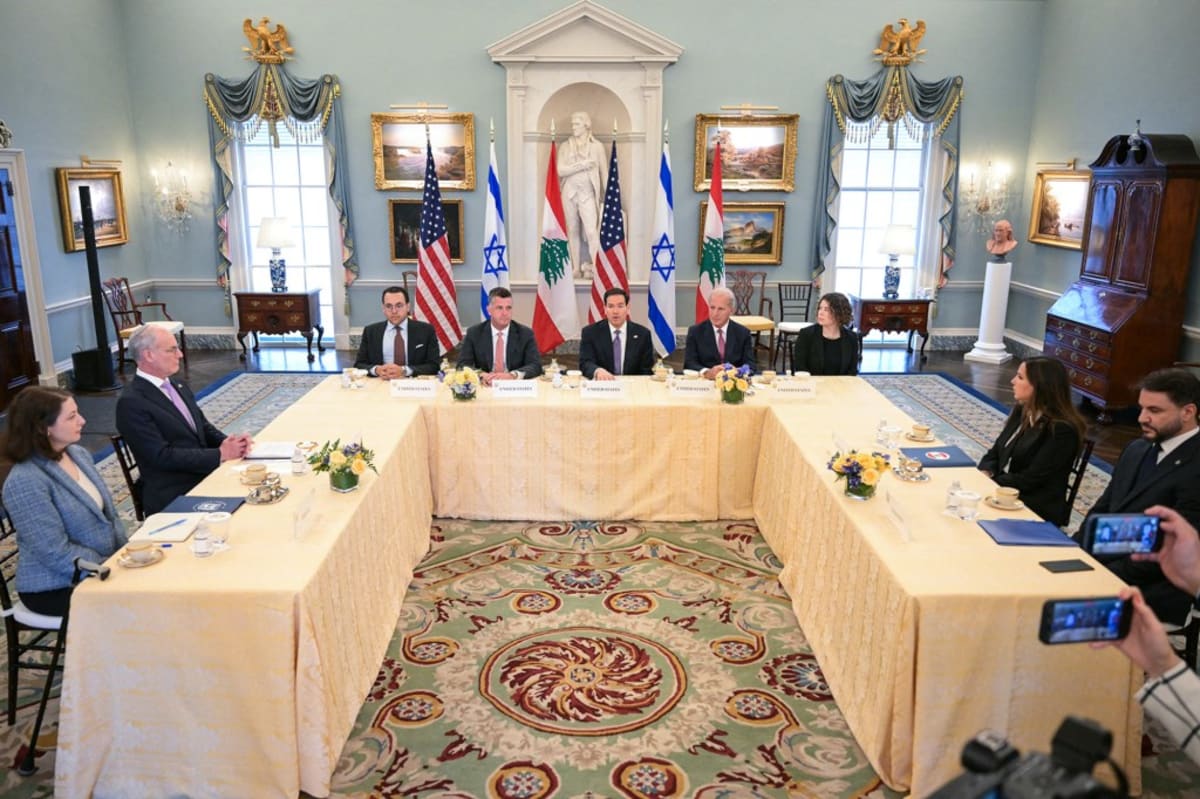
Israeli and Lebanese ambassadors met face-to-face in Washington on Tuesday for the first direct peace talks between their countries in 33 years. US Secretary of State Marco Rubio led the historic two-hour session, bringing together representatives who discovered they share more goals than expected.
"We discovered today that we're on the same side of the equation," Israeli Ambassador Yechiel Leiter told reporters after the meeting. Both delegations agreed on a crucial priority: ending Hezbollah's separate military power within Lebanon and reducing Iran's influence in the region.
The timing matters because recent conflicts have weakened Hezbollah's grip on southern Lebanon. Lebanese officials indicated they want to restore their government's authority and end the militant group's independent control, though the group itself has rejected any agreements made without its involvement.
Lebanese Ambassador Nada Hamadeh focused her remarks on immediate humanitarian needs, calling for a ceasefire and the return of hundreds of thousands of displaced Lebanese families to their homes. She emphasized the severe humanitarian crisis affecting ordinary people caught in the ongoing conflict.
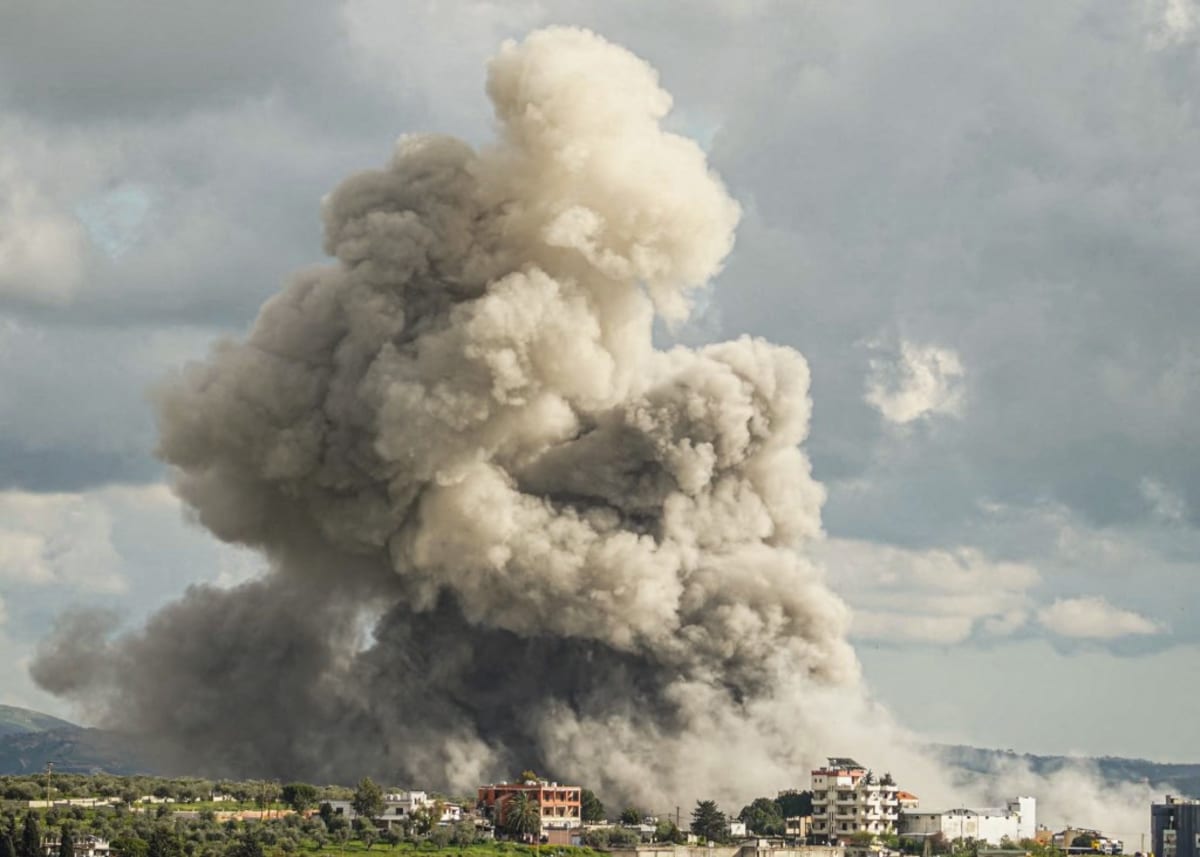
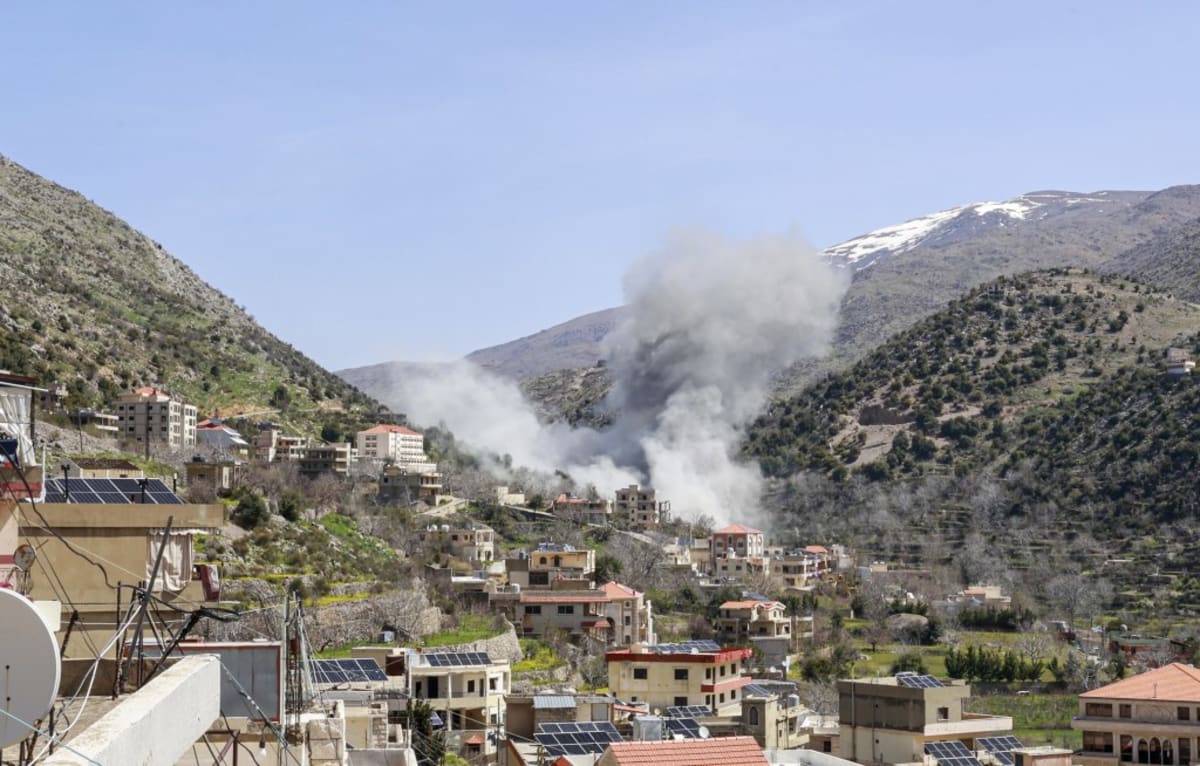
The Ripple Effect goes far beyond the negotiating table. If successful, these talks could end daily rocket attacks that have terrorized communities on both sides of the border since March. More than 2,000 people have died in Lebanon during the latest escalation, and northern Israeli towns have faced constant bombardment.
Hundreds of thousands of displaced families could finally go home. Children could return to schools without fear of sirens. Farmers could tend their fields again. The end of violence would mean businesses reopening, families reuniting, and entire communities rebuilding.
No second meeting has been scheduled yet, but both sides expect to reconvene in Washington within weeks. Negotiators will return to their capitals to review the discussions and prepare for the next round.
The path forward won't be simple, and challenges remain. Secretary Rubio acknowledged that complex issues won't resolve overnight, but the framework for something permanent has begun taking shape.
For the first time in a generation, former adversaries are talking instead of just fighting.
More Images
Based on reporting by Google News - Peace Agreement
This story was written by BrightWire based on verified news reports.
Spread the positivity!
Share this good news with someone who needs it