Israel Greenlights Farms That Grow Food AND Clean Energy
Israel just approved a breakthrough plan that lets farmers grow crops under solar panels, protecting farmland while powering homes. Two companies are merging to bring these dual-purpose farms to life across the country.
Imagine a farm that feeds families and powers their homes at the same time. Israel just made that future official.
The country's National Planning and Building Council approved its first comprehensive plan for agrivoltaics, a clever system that places solar panels above crops. Farmers can keep growing food on at least 70% of their land while generating clean electricity overhead.
The framework comes after years of careful planning. Israel launched a pilot program in 2022, and developers have been testing creative solutions ever since. One startup in the Negev Desert even built solar panels on rails that slide horizontally above vineyard rows, following the sun without blocking the grapes below.
Now the regulatory green light has companies racing to scale up. Airengy, a renewable energy firm based in Ra'anana, is acquiring a majority stake in Green-Go, a solar installation specialist with 16 years of experience in Israel. Green-Go has built a reputation for tackling tricky projects like oddly shaped rooftops and farms where standard installations won't work.
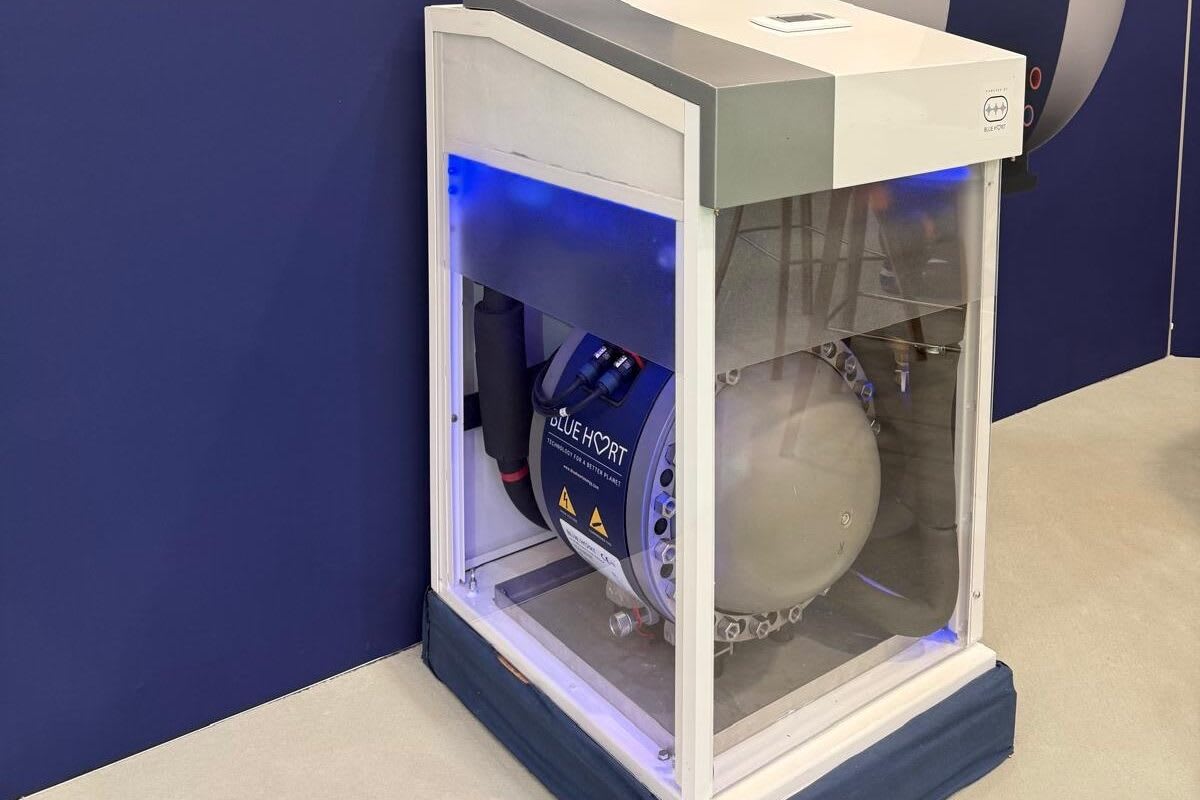
The merger creates what CEO Tal Raz calls a growth engine. Airengy already develops compressed air storage technology and battery systems in Europe. Adding Green-Go gives them boots on the ground to build these dual-purpose farms across Israel.
The timing matters. As climate change intensifies and farmland becomes more precious, agrivoltaics offers a rare win-win. Farmers gain additional income from electricity sales. Solar panels provide shade that can actually help some crops thrive in hot climates. Communities get clean power without sacrificing food production.
The Ripple Effect
Israel's framework could influence agricultural nations worldwide facing the same squeeze between energy needs and food security. The 30% panel coverage limit shows you can balance both priorities with smart design standards.
Other countries are watching closely. Spain, France, and parts of the United States are developing similar programs. But Israel's comprehensive regulatory approach, built on years of pilot testing, provides a proven roadmap.
The deal between Airengy and Green-Go should close later this year, pending final agreements. When it does, Israel will have a dedicated team ready to turn hundreds of ordinary farms into clean energy producers without plowing under a single crop.
More Images

Based on reporting by PV Magazine
This story was written by BrightWire based on verified news reports.
Spread the positivity!
Share this good news with someone who needs it