Israeli Brain Implant Quiets Schizophrenia Hallucinations
Researchers in Israel used deep-brain stimulation to dramatically reduce hallucinations in patients with treatment-resistant schizophrenia, opening a new frontier for the 30% who don't respond to medication. One patient said the voices that controlled his life finally became quiet.
For the first time, scientists have successfully quieted the hallucinations and paranoia of schizophrenia by targeting the brain's electrical signals directly.
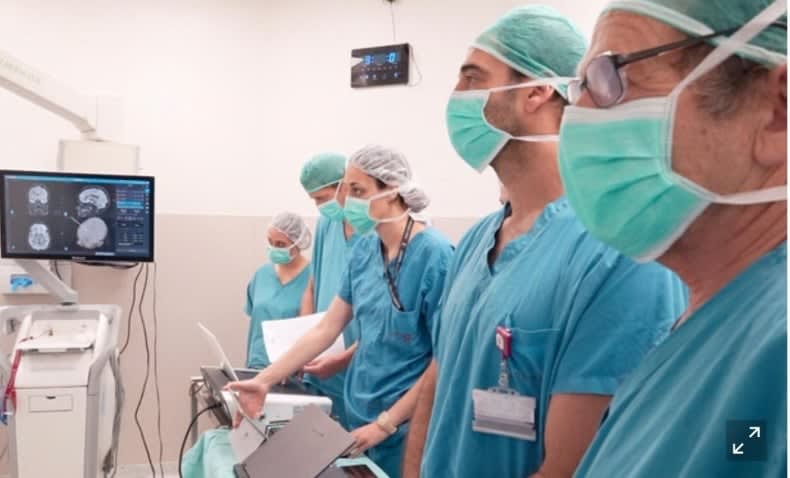
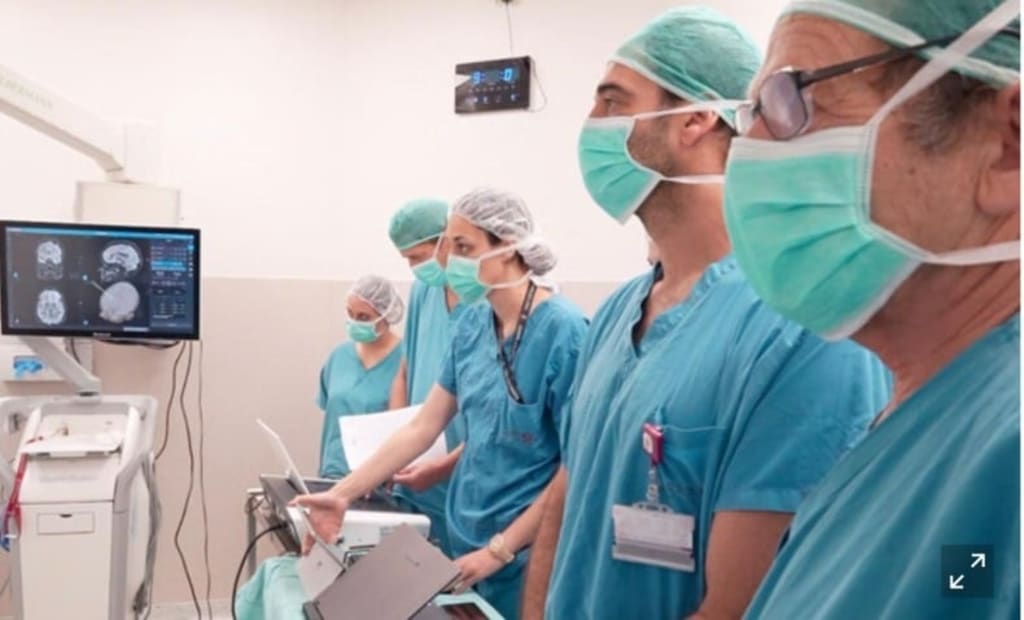
Researchers at Hebrew University of Jerusalem and Hadassah Medical Center implanted ultra-thin electrodes into the brains of patients suffering from treatment-resistant schizophrenia. Within weeks of activation, patients reported a marked reduction in auditory hallucinations and improved emotional stability.
The breakthrough matters because about 30% of the world's 24 million people with schizophrenia don't respond to antipsychotic medications. For them, options often mean long-term hospitalization and heavy sedation with little hope of improvement.
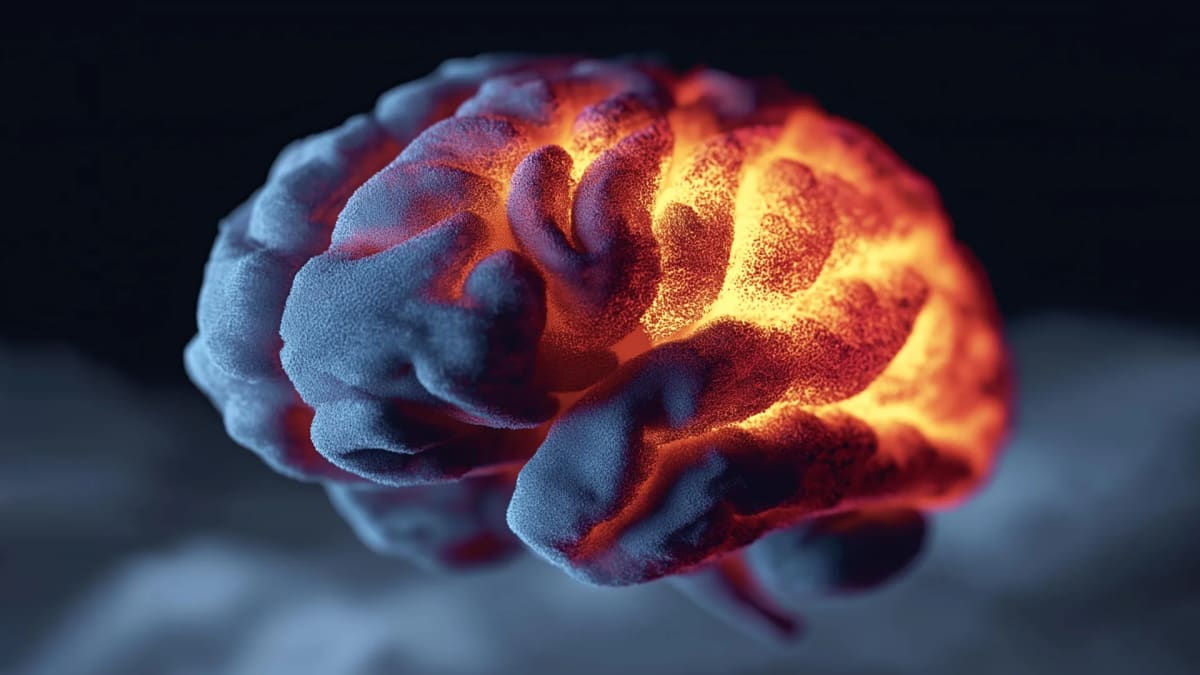
Deep-brain stimulation works by delivering controlled electrical impulses to specific neural circuits, helping rebalance abnormal brain activity. While doctors have used this approach for years to treat Parkinson's disease and epilepsy, applying it to psychiatric conditions remained experimental until now.
"This is the first time we've been able to directly modulate the brain networks that drive schizophrenic symptoms," the lead neurologist explained. "Instead of suppressing symptoms chemically, we are correcting faulty electrical signaling at its source."
One patient described the transformation as life-altering. "The voices that controlled my life became quieter," he said. "For the first time in years, I felt like myself again."
The Ripple Effect
The discovery could reshape how doctors treat severe mental illness worldwide. Medical institutions across Europe and North America have already requested access to the study's methodology, and discussions are underway for a multinational clinical trial.
If validated in larger trials, the technique could eventually extend to other conditions like severe depression, obsessive-compulsive disorder, and post-traumatic stress disorder. The Israeli government has pledged additional neuroscience funding, calling the research a milestone for mental health innovation.
Researchers emphasize the technology remains experimental and carries surgical risks. All participants volunteered after extensive psychological evaluation, and stimulation levels were carefully adjusted to avoid personality changes.
The next phase will test the approach on more patients over longer periods to assess durability and quality of life improvements. Scientists are also exploring non-invasive stimulation techniques that could replicate benefits without surgery.
While this won't replace medication for most patients, it offers hope that science is finally addressing the biological roots of mental illness rather than just managing symptoms.
More Images


Based on reporting by Google News - Medical Breakthrough
This story was written by BrightWire based on verified news reports.
Spread the positivity!
Share this good news with someone who needs it