Israeli Hospitals Move 500+ Patients Underground to Safety
As conflict intensifies, Israeli hospitals have relocated hundreds of vulnerable patients, including newborns and children awaiting transplants, to fortified underground facilities. Healthcare workers are maintaining life-saving care 60 meters below ground while missiles strike above.
When sirens wail across Israel, a child waiting for a heart transplant doesn't stop needing care. That's why 119 children at Schneider Children's Medical Center now call an underground hospital home.
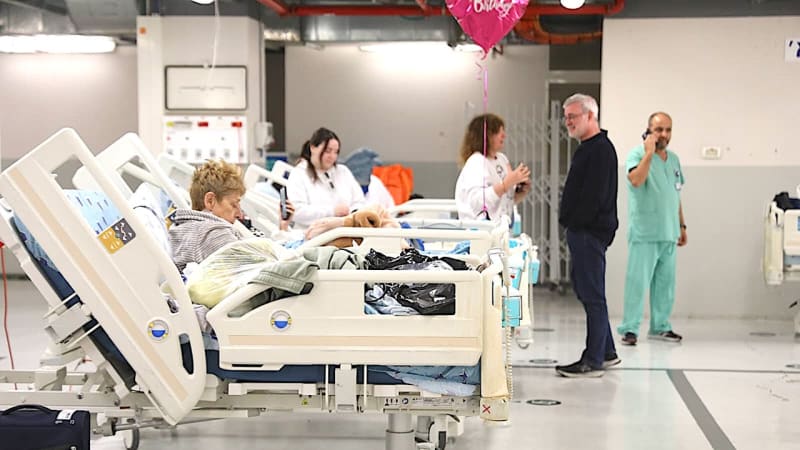
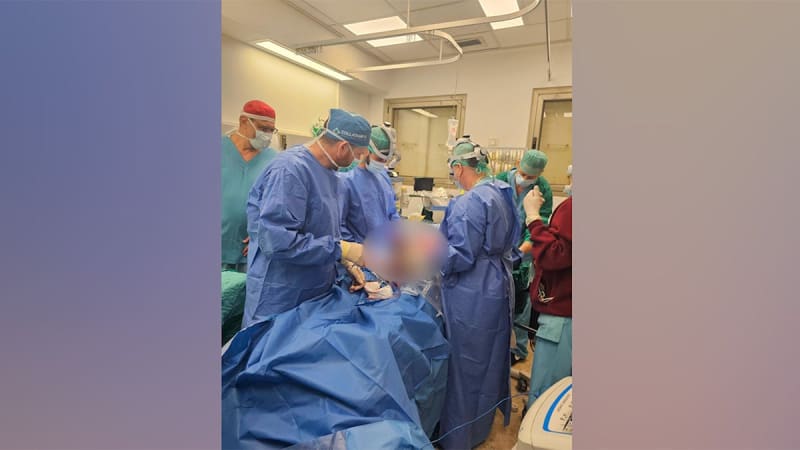
Since fighting began, Israeli hospitals have moved more than 500 patients to fortified facilities as deep as 60 meters underground. The relocation includes some of the most vulnerable people imaginable: newborns in intensive care, children with suppressed immune systems awaiting bone marrow transplants, and patients connected to machines keeping them alive.
Professor Efrat Bron-Harlev, CEO of Schneider Children's Medical Center, stood beside a young patient whose cart contains his artificial heart. "He has been living here while waiting for a heart transplant," she explained. "This is not just a hospital. It's his home."
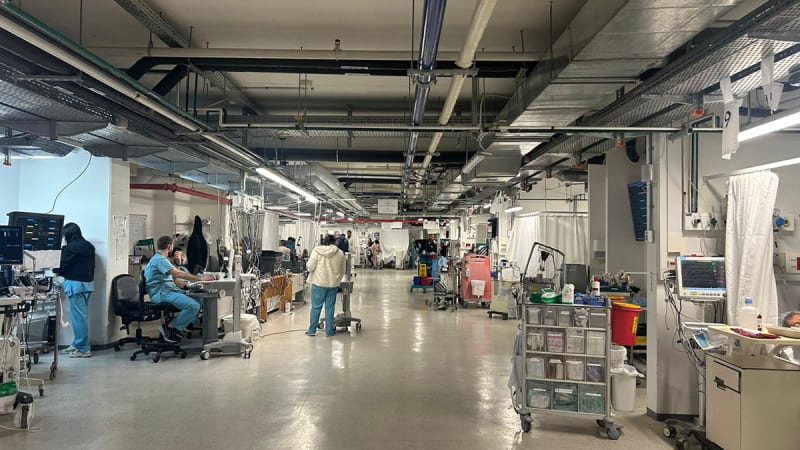
The underground facilities aren't makeshift shelters. They're fully functioning hospitals with reinforced doors designed to withstand direct missile strikes. Battery-powered electricity, independent oxygen supplies, and separate ventilation systems keep critical care running even during attacks.
Medical staff converted a dining room into sleeping quarters for parents who refuse to leave their children's sides. Part of the neonatal intensive care unit became a restricted surgical area where doctors perform emergency operations. Two provisional operating rooms handle urgent procedures until permanent fortified ones are completed.
The Ripple Effect spreads beyond individual hospitals. Rabin Medical Center, part of Clalit Health Services serving over 5 million Israelis, has maintained care for 500 beds relocated underground. The entire healthcare system adapted within 24 hours of fighting's start, moving all vulnerable patients to protected areas.
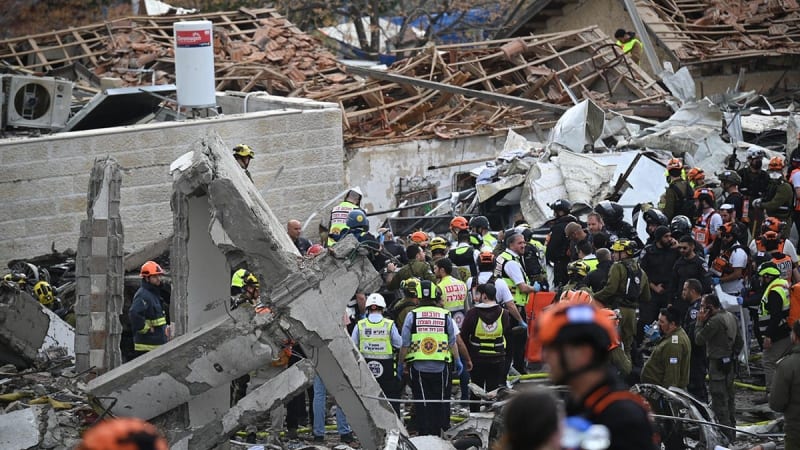
The changes came after hard lessons. During a previous 12-day conflict, a missile targeted Soroka Hospital in Beersheba, hitting a building evacuated just one day earlier. This time, hospitals prepared faster and more comprehensively.
Professor Ran Balicer, deputy director general at Clalit Health Services, acknowledged the challenges. "There are no windows, all of the noise and pressure is in, it's a mental and physical strain on the staff," he said. "But they are here to do what they vowed to do."
The medical teams stockpiled food, oxygen, and supplies underground. They expanded virtual care options so patients who don't need emergency treatment can receive help remotely. They created an intensive care unit capable of handling 20 critically ill children simultaneously if needed.
Despite operating in parking garages turned into wards, Israeli medical teams maintain the lowest frontline mortality rate in the world. Healthcare workers face congestion, infection control challenges, and the psychological weight of caring for patients while under attack. Yet they continue showing up, adapting, and saving lives.
These doctors and nurses prove that even in the darkest circumstances, caregivers find ways to protect the most vulnerable among us.
More Images
Based on reporting by Fox News Health
This story was written by BrightWire based on verified news reports.
Spread the positivity!
Share this good news with someone who needs it