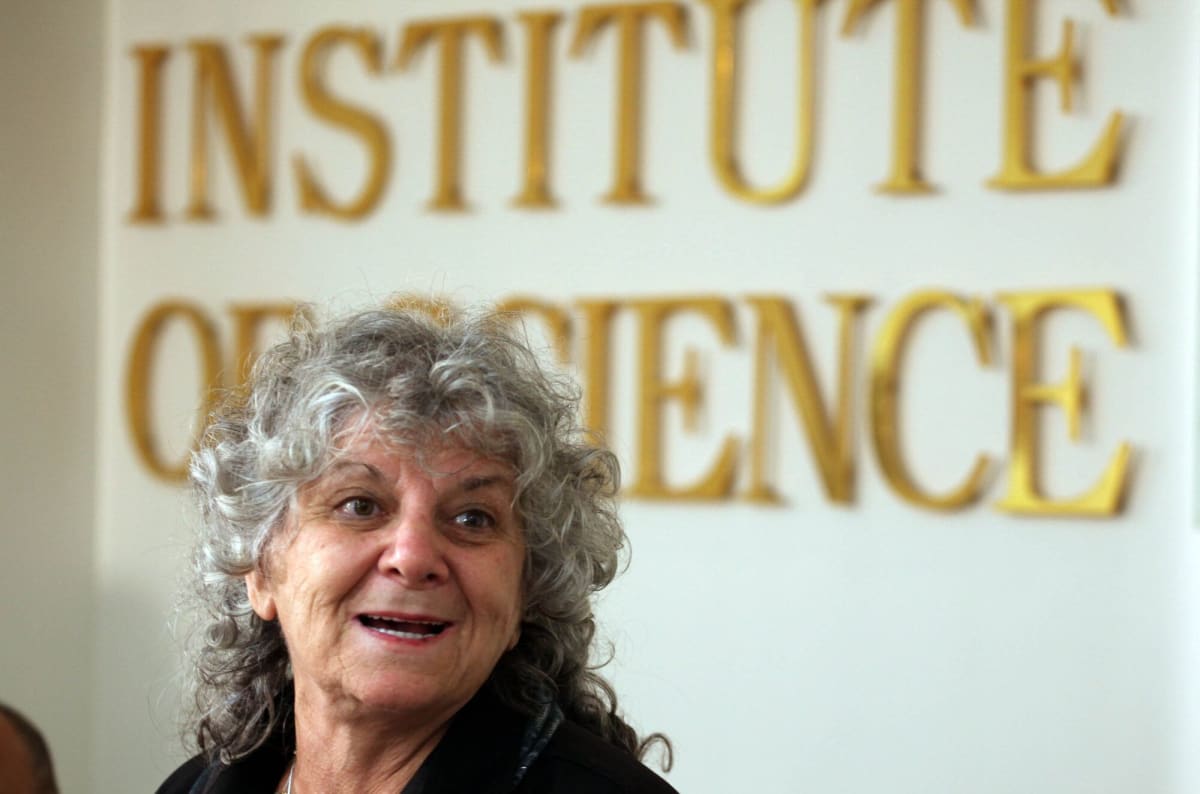
Israeli Scientist Ada Yonath Won Nobel for 'Impossible' Work
Ada Yonath, who died at 87, won the 2009 Nobel Prize in Chemistry for achieving what peers called impossible: mapping the ribosome's structure. Her decades-long quest revolutionized our understanding of how antibiotics work and opened paths to new drug design.
When Ada Yonath announced she would map the structure of the ribosome in the 1970s, scientists laughed at her. The task seemed impossible with available technology, but Yonath spent decades proving them wrong and ultimately won a Nobel Prize for her determination.
Yonath, who died recently at 87, became only the fourth woman to win the Nobel Prize in Chemistry when she received the honor in 2009. She was the first female chemistry laureate in 45 years, though she always insisted gender was irrelevant to her work as a scientist.
Her journey started in poverty in Jerusalem, where she lost her father at age 11. Despite working evening and weekend jobs to support her family, she excelled academically and earned degrees from Hebrew University of Jerusalem and the Weizmann Institute of Science.
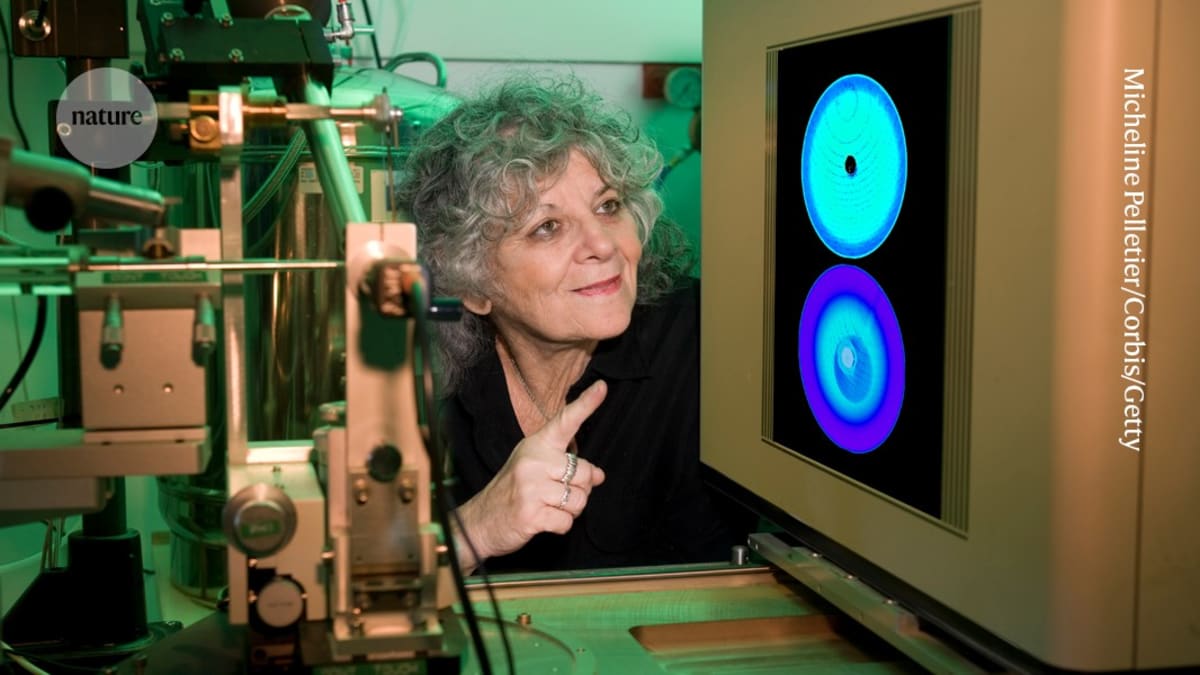
The ribosome is the protein factory in every living cell, essential for life itself. Before Yonath's work, no one had successfully created crystals of this massive, flexible structure to study it under X-rays.
The challenge was staggering. The ribosome contains hundreds of thousands of atoms, making it ten times larger than any molecule previously solved through crystallography.
Undeterred by ridicule, Yonath moved to West Germany to work at the Max Planck Institute for Molecular Genetics. There, director Heinz-Günther Wittmann supported her ambitious vision when few others would.
The Ripple Effect
Yonath's breakthrough did more than earn scientific prestige. Her detailed maps of the ribosome revealed exactly how antibiotics work by binding to bacterial ribosomes and disrupting their function.
This discovery opened new frontiers in fighting disease. Scientists can now use her work to understand antibiotic resistance and design more effective drugs to combat infections.
Her legacy extends beyond the laboratory. Yonath showed that seemingly impossible challenges can yield to persistence, rigorous science, and unwavering belief in your vision.
From an impoverished childhood to the pinnacle of scientific achievement, Ada Yonath transformed what we know about the fundamental machinery of life and gave humanity powerful tools to fight disease.
More Images


Based on reporting by Nature News
This story was written by BrightWire based on verified news reports.
Spread the positivity!
Share this good news with someone who needs it