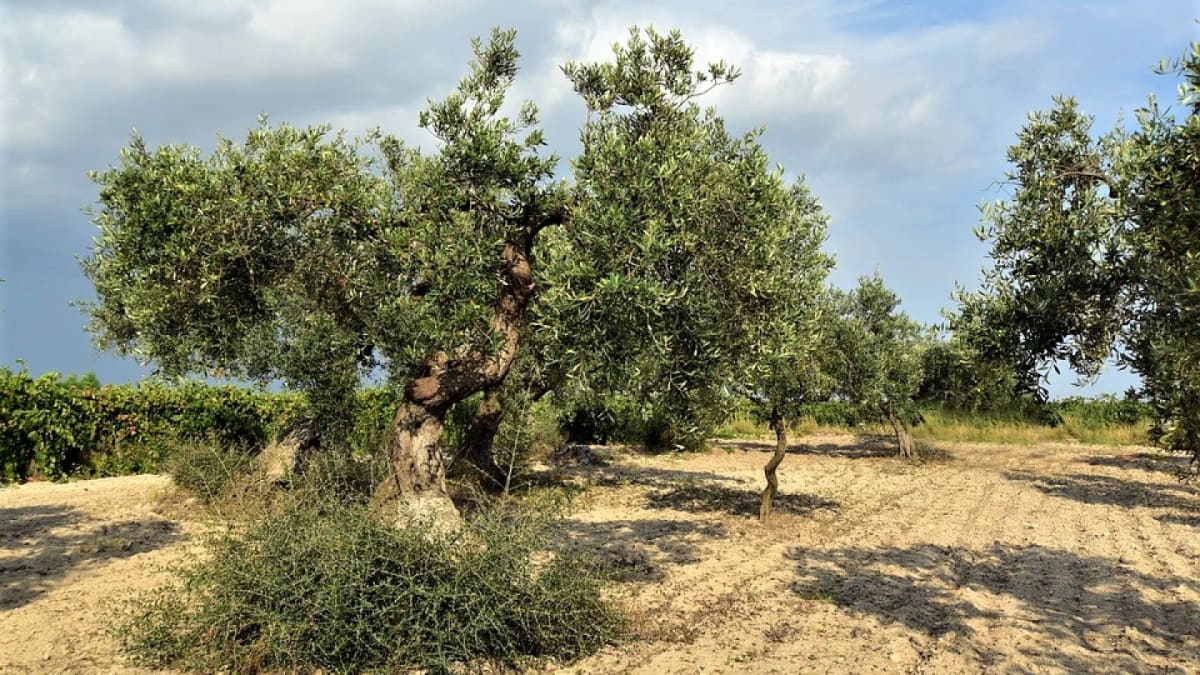
Israeli Scientists Find 7,000-Year-Old Olive Domestication
Researchers in Israel just discovered the oldest evidence of fruit tree farming ever found. Charcoal from ancient olive trees proves humans were cultivating orchards 7,000 years ago in a place olives never grew naturally.
Scientists in Israel have uncovered proof that humans were planting orchards thousands of years earlier than we thought.
Researchers from Tel Aviv University and Hebrew University analyzed charcoal remnants at Tel Zaf, an archaeological site in the Jordan Valley. The burned olive wood dates back 7,000 years to the Chalcolithic period, making it the earliest evidence of fruit tree domestication ever discovered.
Here's what makes this find so remarkable. Olive trees don't naturally grow in the Jordan Valley. Someone had to deliberately bring them there, plant them, and care for them.
"In archaeobotany, this is considered indisputable proof of domestication," said Dr. Dafna Langgut, who led the study at Tel Aviv University's Department of Archaeology. "We have here the earliest evidence of the olive's domestication anywhere in the world."
The discovery was published in the journal Scientific Reports in May 2022. Professor Yosef Garfinkel of Hebrew University led the excavation at Tel Zaf, a large prehistoric village that thrived between 7,200 and 6,700 years ago.
The site reveals a community that was doing more than just surviving. Archaeologists found large houses with courtyards and granaries that could store 20 times more food than a single family needed. These were clearly storage facilities for significant wealth.
Trees can be identified even after burning because their anatomic structure remains intact in charcoal. This allows researchers to determine which trees grew naturally and which ones humans deliberately planted.
Why This Inspires
This discovery tells us something beautiful about our ancestors. They weren't just focused on getting through each day. They were planning for the future, investing years into cultivating trees that wouldn't bear fruit immediately.
"The domestication of fruit trees is a process that takes many years, and therefore befits a society of plenty, rather than one that struggles to survive," Langgut explained. These ancient people had reached a point where they could think beyond immediate needs.
They had the stability, knowledge, and optimism to plant trees for future generations. That's the same hopeful spirit that drives innovation today.
More Images
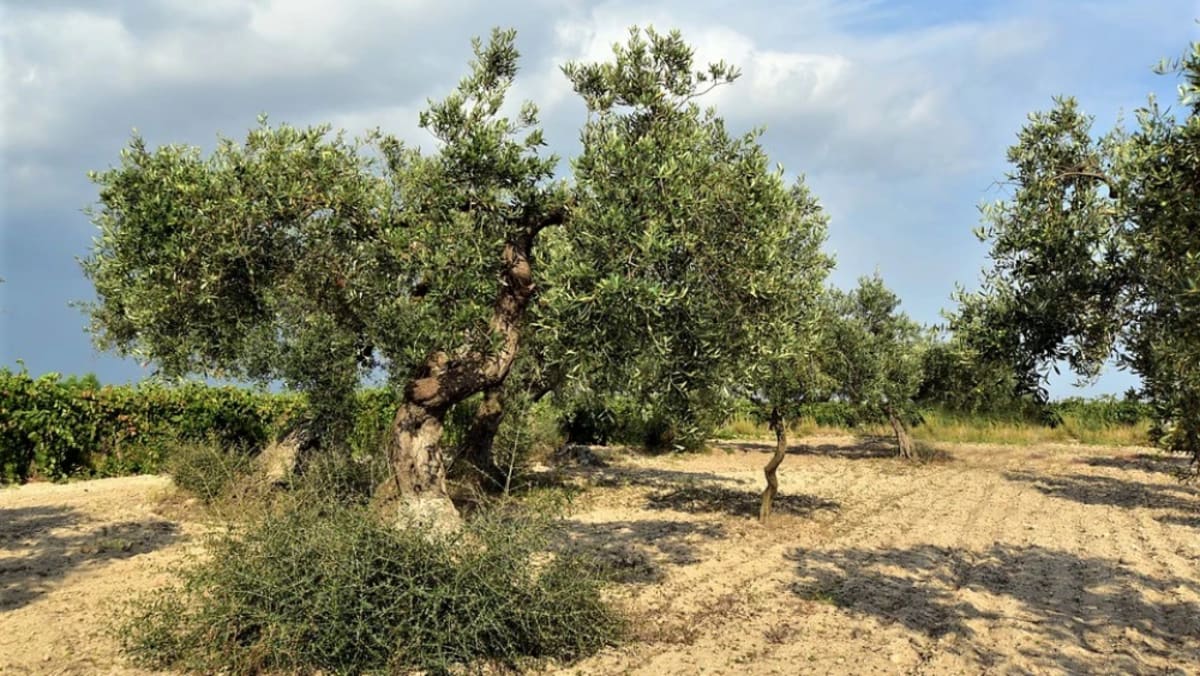
Based on reporting by Google News - Researchers Find
This story was written by BrightWire based on verified news reports.
Spread the positivity!
Share this good news with someone who needs it

%2Fhttps%3A%2F%2Ftf-cmsv2-smithsonianmag-media.s3.amazonaws.com%2Ffiler_public%2F3a%2F70%2F3a7012b6-f877-41a0-a0ee-fc2251c68db7%2Fsmithsonian_feature_images_17.png)