Israeli Scientists Find First Drug Hope for Fatty Liver
Researchers in Israel discovered that two non-psychoactive cannabis compounds could treat fatty liver disease, which affects one in three adults worldwide and currently has no approved medication. The breakthrough could lead to the first drug treatment for a condition impacting millions.
Scientists at Hebrew University of Jerusalem just gave hope to millions suffering from the world's most common liver disease, one that has never had a drug treatment.
Two compounds from cannabis plants, CBD and CBG, successfully improved liver health in mice by changing how the organ manages energy and cleans itself. The peer-reviewed study, published Friday in The British Journal of Pharmacology, focused on metabolic dysfunction-associated steatotic liver disease (MASLD), which affects roughly one in three adults globally.
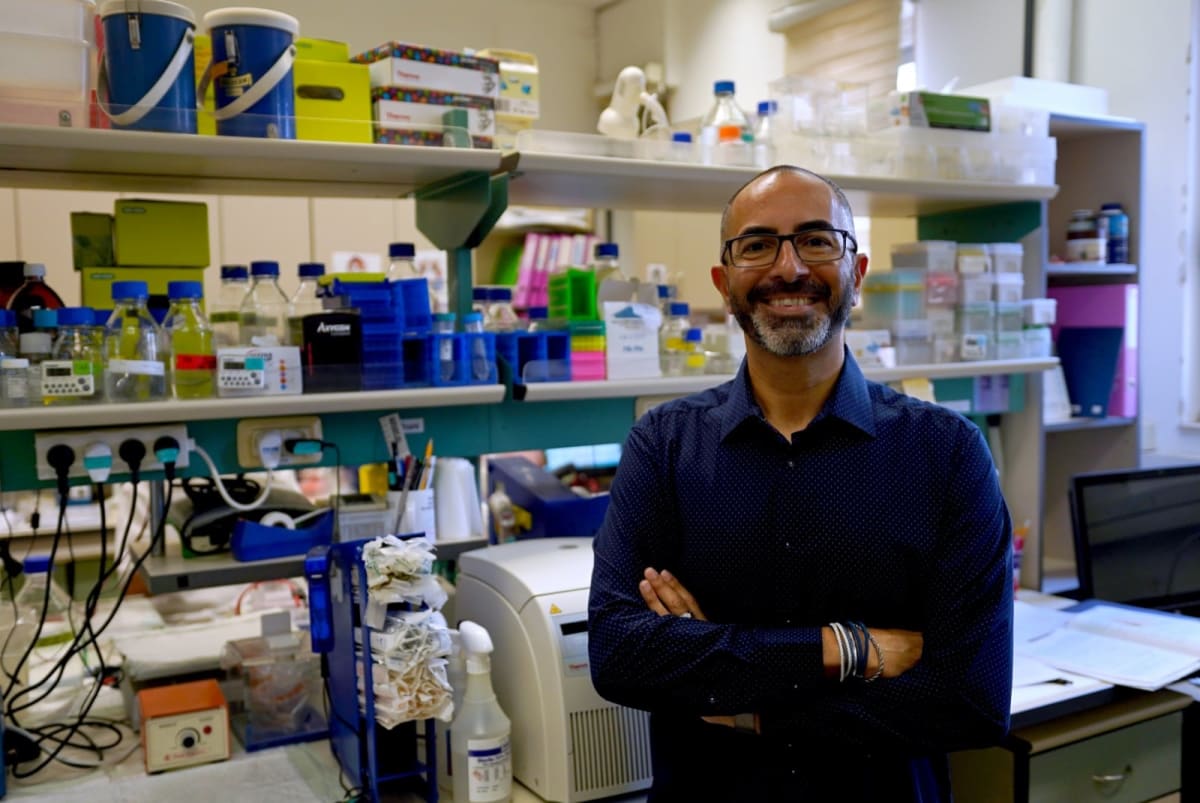
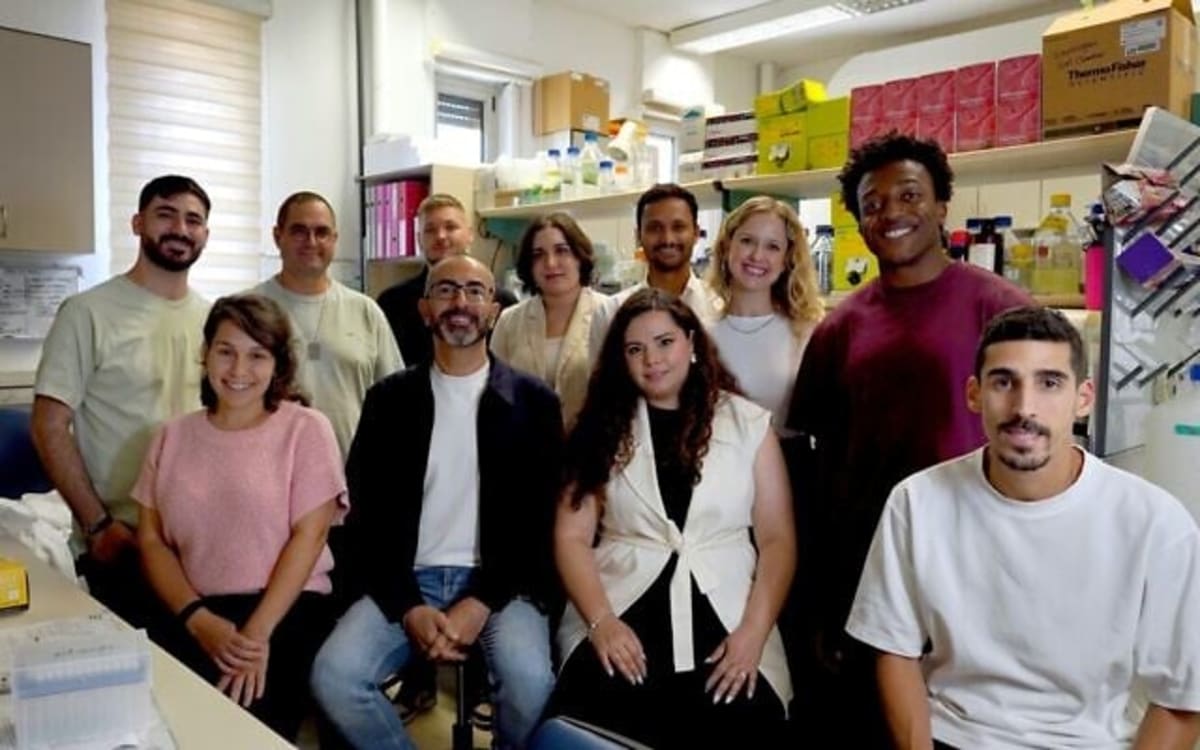
"This disease does not have a current drug available whatsoever," said Prof. Yossi Tam, who led the research at Hebrew University's School of Pharmacy. The compounds tested are non-psychoactive, meaning they don't cause a high.
The timing couldn't be more critical. Nearly 60% of Israel's adult population is overweight or obese, according to a 2024 Knesset Health Committee report. One in five Israeli children suffers from obesity, which increases the risk of fatty liver disease because the liver is forced to store extra fat.
The researchers put mice on a high-fat diet for 14 weeks until they developed obesity, fatty liver disease, and diabetes. Then they treated the animals for 28 days with CBD and CBG, monitoring their metabolism throughout.
The results surprised even the research team. The compounds acted like a "backup battery" for the liver, increasing levels of an energy molecule called phosphocreatine that helps recharge the organ. They also restored enzymes that act as a "cleaning crew," enabling the liver to clear out harmful fats and waste.
CBG particularly impressed researchers by significantly reducing body fat mass and lowering total cholesterol levels. Both compounds reduced dangerous lipids like triglycerides and ceramides, which contribute to insulin resistance and liver inflammation.
The Ripple Effect
Dr. Ethan Russo, founder of cannabis research company CReDO Science, called the findings enormously significant for public health. "Given that one third or more of adults in Western societies are at risk for this disorder accompanying the obesity epidemic," the implications reach far beyond Israel's borders.
The lab has already patented the combination of CBD and CBG for metabolic disorders, paving the way for potential clinical trials in humans. If successful, these trials could produce the first approved drug treatment for a disease that currently can only be managed through lifestyle changes like exercise and healthier eating, and only if caught early.
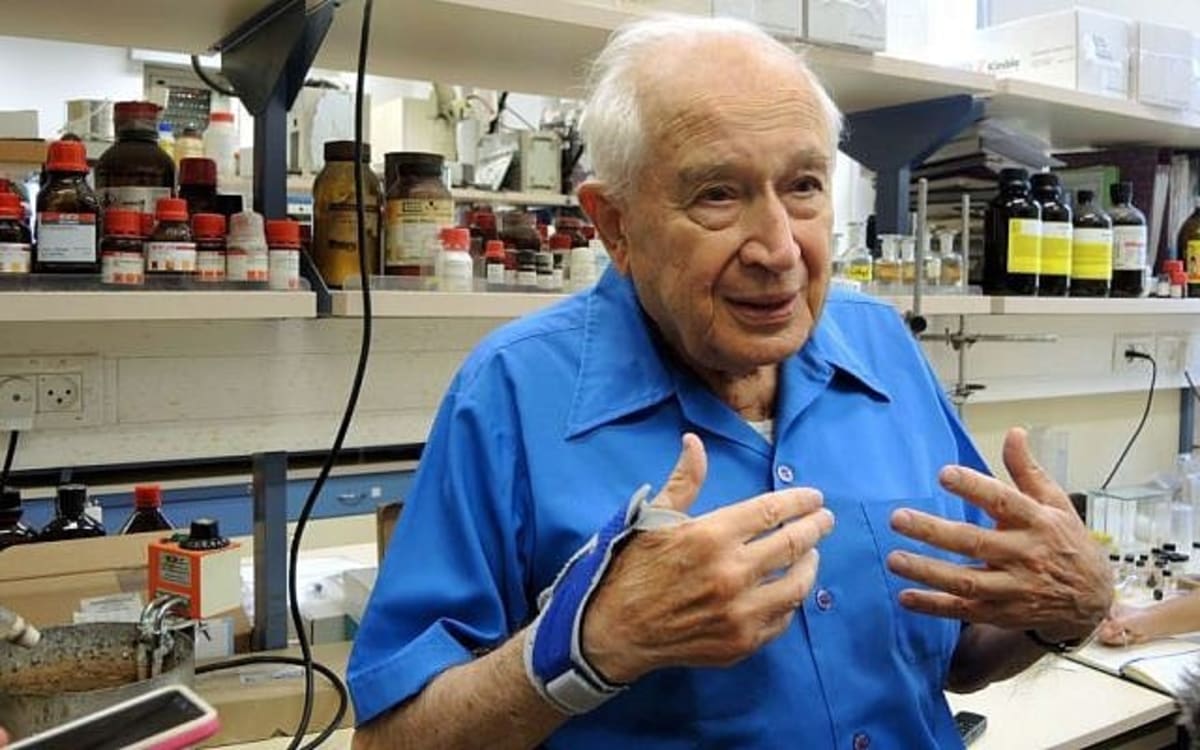
The research builds on decades of cannabis science pioneered by the late Prof. Raphael Mechoulam, who discovered that the human body produces chemicals similar to THC. His work revealed the endocannabinoid system, which helps regulate appetite, manage pain, and operate the immune system.
For the millions living with MASLD symptoms like fatigue, pain, and the fear of permanent liver scarring, this breakthrough offers something they've never had before: genuine hope for medical treatment.
More Images
Based on reporting by Google News - Researchers Find
This story was written by BrightWire based on verified news reports.
Spread the positivity!
Share this good news with someone who needs it