Israeli Scientists Find Why Cancer Cells Survive Chemo
Researchers at Ben-Gurion University discovered two "guardian proteins" that keep cancer cells alive during chemotherapy. This breakthrough could help doctors overcome treatment resistance in aggressive tumors.
Scientists in Israel just cracked a mystery that's frustrated cancer doctors for decades: why some cancer cells refuse to die during chemotherapy.
Researchers at Ben-Gurion University of the Negev identified two guardian proteins that act like emergency escape hatches for cancer cells under attack. When chemotherapy stresses the cell, these proteins open a valve that lets protective molecules flood out, actively blocking the cell's self-destruct sequence.
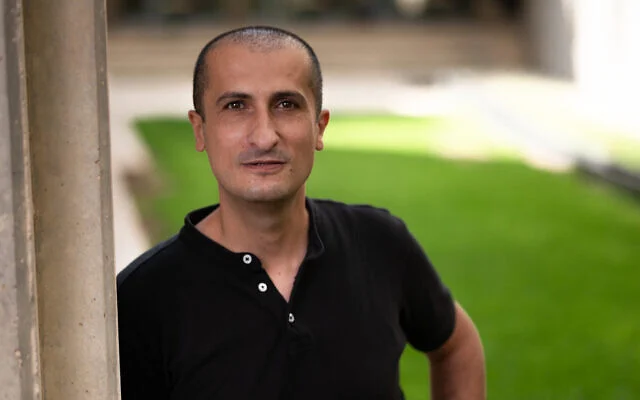
Dr. Aeid Igbaria, who led the study, describes cancer as a game of chess where the opponent constantly changes the rules. His team discovered that cancer cells are fundamentally different beasts from normal cells, with proteins that can switch jobs and move between cellular compartments.
The research focused on the endoplasmic reticulum, the cell's protein factory. Under normal conditions, this factory keeps proteins locked inside to manage routine operations. But when chemotherapy hits, the two guardian proteins (DNAJB12 and DNAJB14) sense the stress through chemical bonds and trigger a survival response.
Here's the game changer: when researchers break those chemical bonds between the guardian proteins, the guardians fall apart. Without them holding the emergency valve open, cancer cells can no longer escape their programmed death.
The findings, published in Redox Biology, provide a precise molecular blueprint that could help researchers develop new treatments to overcome chemotherapy resistance. The team tested their discovery across multiple human cell lines using laboratory drug treatments and physiological stress.
The Ripple Effect
This discovery reaches beyond cancer treatment. The same molecular switch operates in heart cells during oxygen deprivation, which means controlling this process could prevent widespread tissue damage after heart attacks.
Dr. Francisco Laurindo from the University of São Paulo, who wasn't involved in the research, calls understanding how cells choose between surviving stress and self-destructing "a major goal in biology and medicine." He confirms that Igbaria discovered a novel adaptive mechanism.
Igbaria's personal connection to the research runs deep. His father died from lung cancer at a young age, pushing him to switch from chemistry to biology. His cousin directs an oncology department and helped develop an inexpensive blood test for lung cancer.
Growing up in a small village of 2,000 people in central Israel, Igbaria watched cancer rates increase in his community while the age of patients decreased. That reality fuels his determination every day in the lab.
The research opens new possibilities for treating glioblastoma, one of the most aggressive brain cancers, and other solid tumors that resist conventional chemotherapy.
Scientists now have a roadmap to develop drugs that can disable these guardian proteins and force resistant cancer cells to accept their fate.
More Images


Based on reporting by Google News - Researchers Find
This story was written by BrightWire based on verified news reports.
Reset Your Focus With Today’s Daily Affirmations & Mood Check
Take a 60-second mindful pause with curated daily affirmations and our private positivity mood tracker.
Spread the positivity!
Share this good news with someone who needs it


