Israeli Tech Leader Turns Oct. 7 Trauma Into Hope Platform
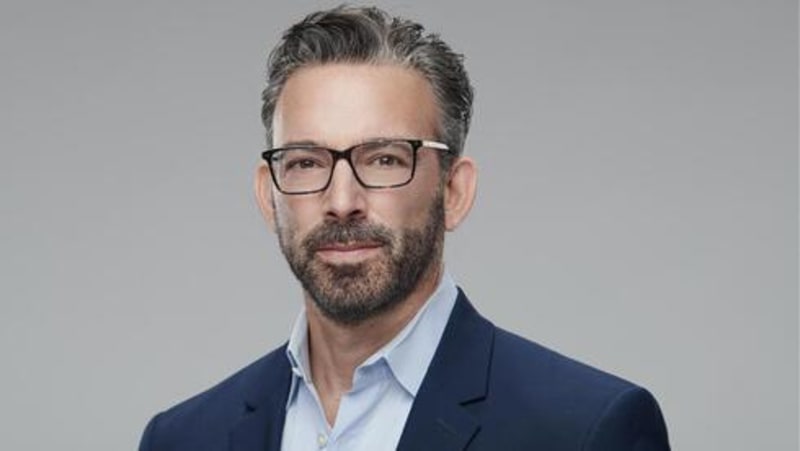
After October 7 shattered Israel, tech advisor Gerson Panitch launched a global media initiative to share stories of Israeli innovation and resilience. His platform "What's Next in Israel Tech" is rebuilding investor confidence and reshaping how the world sees Israeli ingenuity during wartime.
When rockets woke Gerson Panitch on the morning of October 7, he thought the Iron Dome would handle it like always. What followed instead changed how he'd spend every day since.
Panitch, a partner at international law firm Finnegan who's advised nearly 300 Israeli tech companies, watched as global sympathy quickly turned to criticism. Friends' children were fighting in Gaza, others had died at the Nova music festival, yet the stories of Israeli resilience weren't reaching global audiences.
He realized he could do more than volunteer in fields or prepare meals for soldiers. He could tell Israel's innovation story to the world.
From the ynet Global studio, Panitch launched "What's Next in Israel Tech," a platform showcasing how Israeli startups continue solving global problems even during war. The timing couldn't have been more critical for Israel's struggling tech ecosystem.
One of his clients had secured a $10 million investment before October 7. Within days, skittish investors withdrew the entire deal as war created economic shockwaves across Israel's startup sector.
The Ripple Effect
Panitch's mission goes beyond individual companies. By spotlighting viable, profitable Israeli innovations to global investors, he's helping restore confidence in an entire ecosystem that drives solutions for worldwide challenges.
The Israeli mindset he's witnessed over his career continues to amaze him. When one medical device company needed a specialized microscopic catheter that didn't exist, engineers built an entirely new manufacturing machine in three weeks.
"In another country it would take a year and millions of dollars," Panitch says. "Here they just say, 'We need it—let's build it.'"
That same spirit appears when Israeli rescue teams arrive first at disasters worldwide. It's the DNA of a society that views obstacles as temporary and believes anything is possible.
Panitch describes one company whose technology seemed impossible: interpreting biometric signals from the body to anticipate communication. Apple later acquired it for nearly $2 billion.
After more than a decade of constant travel between the U.S. and Israel, Panitch made the country his permanent home. His platform now bridges the gap between Israel's lived reality and how the world perceives it.
"I'm not a politician," he explains. "But I understand technology and I understand Israel's drive to make the world better."
While international media often frames Israel solely through conflict, Panitch focuses on the innovators working to save lives and improve humanity. His work proves that even in the darkest moments, stories of human ingenuity and determination can shine through.
Based on reporting by Google News - Israel Technology
This story was written by BrightWire based on verified news reports.
Spread the positivity!
Share this good news with someone who needs it