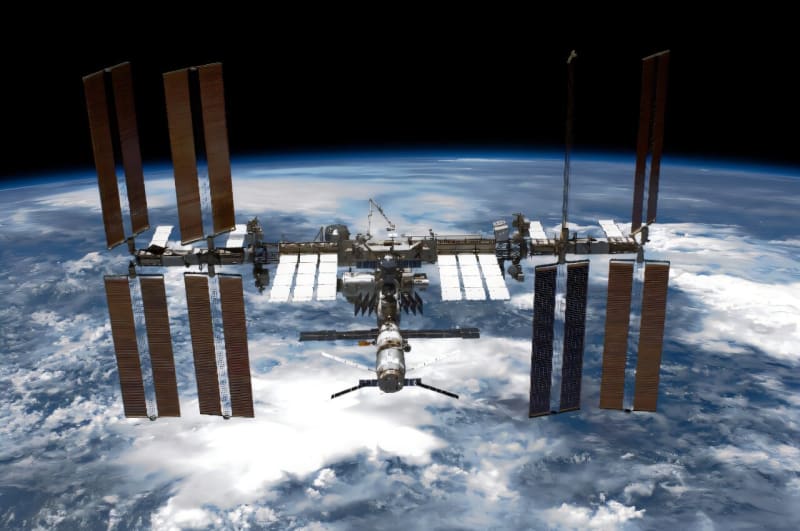
ISS: 25 Years of Space Cooperation Ends in 2030
After three decades orbiting Earth, the International Space Station will return home in 2030, closing a remarkable chapter of global teamwork that kept humans continuously in space since 2000. While the ISS era ends, it paves the way for exciting new commercial space stations that could make orbit more accessible than ever.
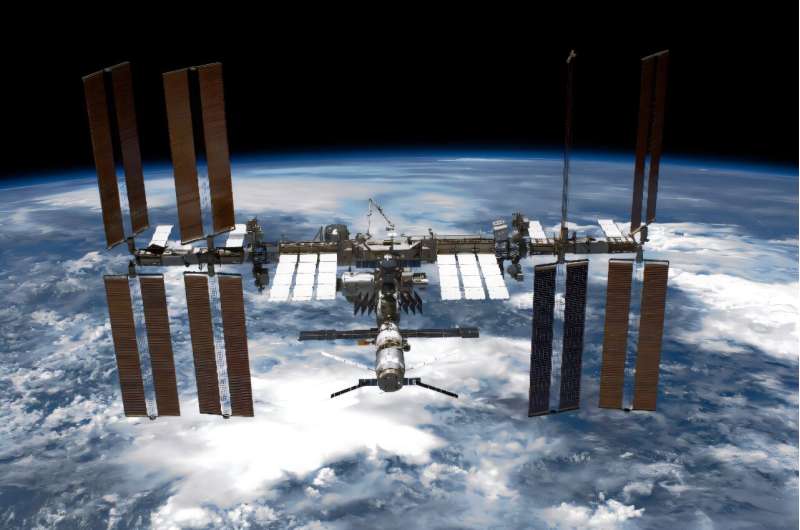
For 25 years, several humans have lived continuously aboard a football field-sized laboratory circling Earth at five miles per second. The International Space Station has been home to astronauts from around the world, working together 250 miles above our planet.
The station was born from an unlikely friendship between former Cold War rivals Russia and the United States. Even as political tensions have strained relationships on Earth, astronauts from both nations continued working side by side in space.
"The ISS is a cathedral to human cooperation and collaboration across borders, languages and cultures," says John Horack, former NASA Science and Mission Systems Office manager. For more than a quarter century, humanity has maintained an unbroken presence beyond our atmosphere.
But like all good things, this chapter must close. The station's equipment is aging and outdated, making 2030 the right time to bring it home safely.
NASA selected SpaceX to build a special vehicle that will guide the massive station back to Earth. The spacecraft will push the ISS into a controlled descent over the Pacific Ocean, far from any land or people, where it will break up safely in the atmosphere.
The station will splash down at Point Nemo, an isolated ocean spot where several spacecraft have ended their missions. It's the most remote location on Earth, ensuring no risk to populated areas.
The Bright Side
The end of the ISS opens doors to an exciting new era. Private companies like Blue Origin and Axiom Space are already designing commercial space stations that could make orbital research more accessible.
Instead of governments building and operating stations, private companies will create spaces that national agencies can rent. This model mirrors what already happened with rockets and satellites, driving innovation and reducing costs.
China's Tiangong station will continue orbiting Earth, and multiple new commercial stations could join it within years. The business model remains strong because countries still want their astronauts conducting research in orbit.
Lionel Suchet of France's space agency notes that scientific exploration remains "an objective of all humanity." International treaties continue guiding how nations cooperate in space, even as we prepare for lunar bases.
John Horack's children grew up watching the ISS fly over their backyard. While its end feels sad, he sees hope in what comes next.
"We must grow as humans in our space-faring capacity," Horack says, "in our exploration of space, and in the use of space to generate social, economic, educational and quality of life outcomes for all people everywhere."
The ISS taught us that humans can work together on the hardest challenges when we choose cooperation over conflict.
More Images



Based on reporting by Google: cooperation international
This story was written by BrightWire based on verified news reports.
Spread the positivity!
Share this good news with someone who needs it