ISS Legacy Inspires Next Era of Space Stations by 2030
After 32 years of groundbreaking science and global cooperation, the International Space Station will retire in 2030, passing the torch to a new generation of commercial space stations. The transition marks an exciting evolution in humanity's presence in orbit.
The International Space Station isn't ending because it failed. It's retiring because it succeeded beyond anyone's wildest dreams, paving the way for something even better.
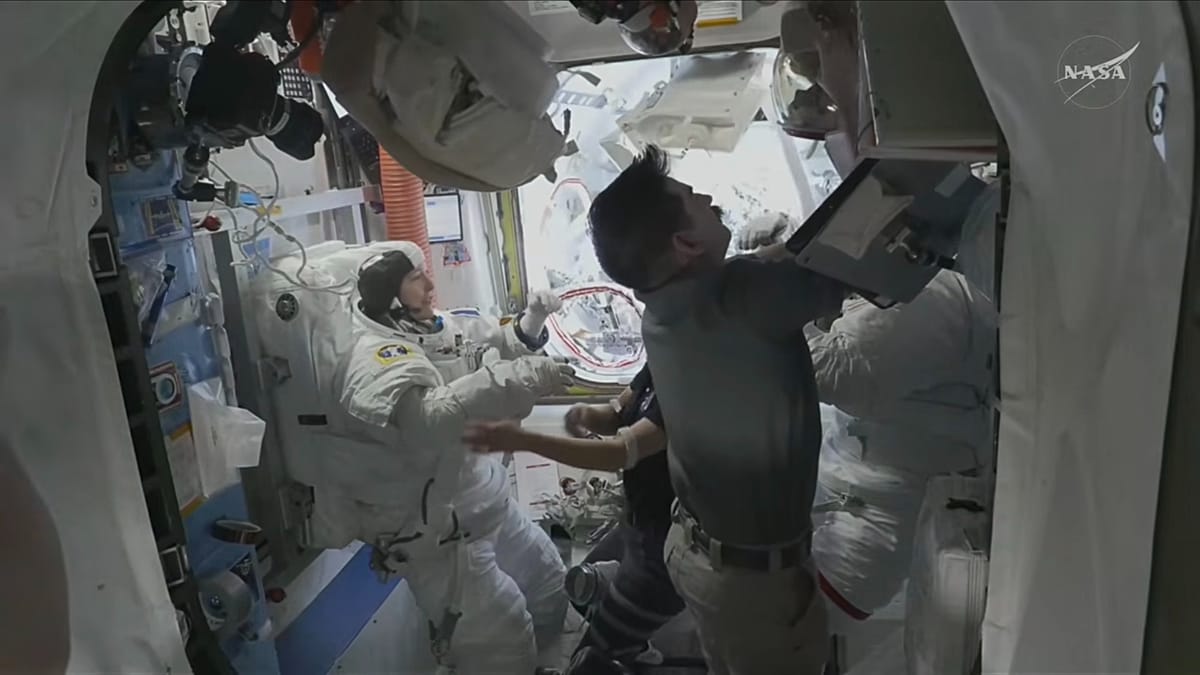
Since its first module launched in 1998, the ISS has hosted continuous human habitation for over two decades. Astronauts from 19 countries have lived and worked together 250 miles above Earth, proving that international cooperation can thrive even in the harshest environments.
The station has been a laboratory like no other. Thousands of microgravity experiments have advanced our understanding of medicine, materials science, and biology in ways impossible on Earth.
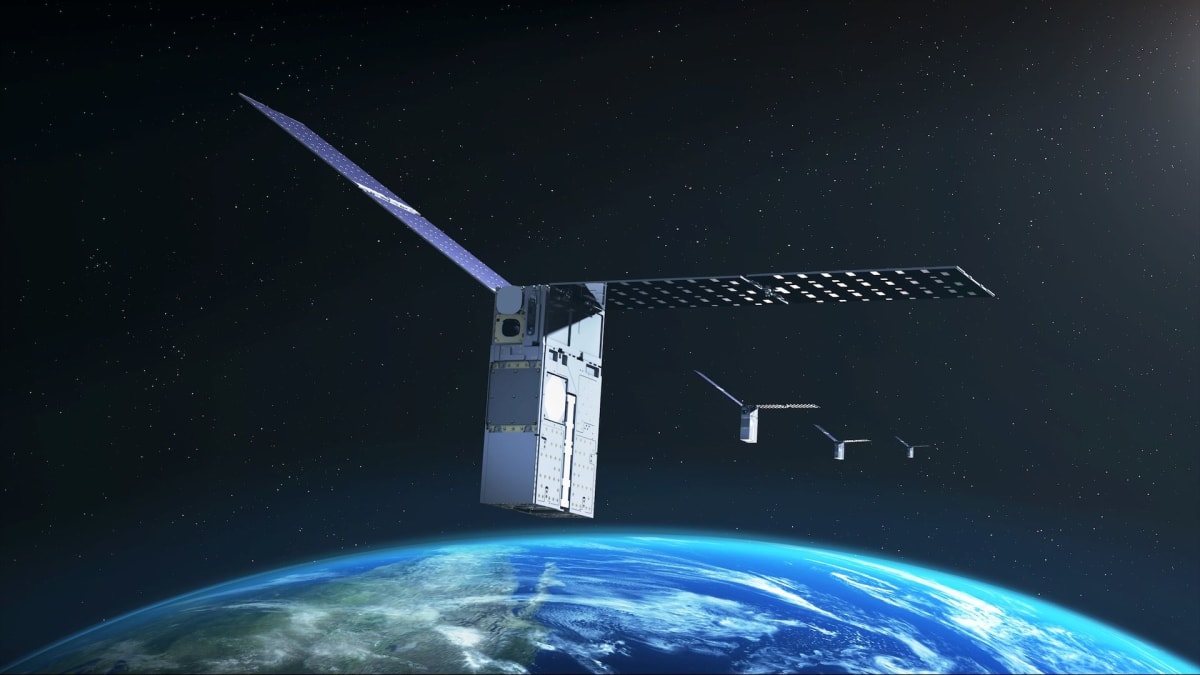
Now, as the ISS approaches its planned 2030 retirement, NASA and international partners are preparing for an exciting transition. Commercial space stations like Axiom Station and Haven-1 by Vast are already in development, ready to continue humanity's presence in low Earth orbit.
This shift represents progress, not loss. Private companies will take over routine operations in low Earth orbit, freeing NASA to focus on deeper space exploration like lunar bases and Mars missions.
The Ripple Effect
The ISS proved that space could be a place for sustained human life and work. That confidence now fuels an entire industry of private space stations, each bringing fresh ideas and capabilities.
Axiom Station will begin as modules attached to the ISS before becoming independent. Haven-1 promises more affordable access for researchers and even tourists. These ventures build directly on lessons learned from three decades of ISS operations.
The scientific discoveries will continue flowing. Microgravity research that led to breakthroughs in drug development, disease treatment, and advanced manufacturing won't stop when the ISS retires.
Future stations will host experiments we can't even imagine yet, conducted by a more diverse group of researchers than ever before. The ISS taught us how to live in space. Now we're learning how to make that sustainable and accessible.
One era closes so another can begin. The ISS will be safely deorbited over an uninhabited ocean area, while its successor stations ensure humans never leave low Earth orbit. That's not an ending. That's evolution.
Based on reporting by Google: scientific discovery
This story was written by BrightWire based on verified news reports.
Spread the positivity!
Share this good news with someone who needs it