ISS Returns to Earth in 2030 After 30 Years of Peace
The International Space Station will splash down in 2030 after three decades of continuous human presence in space and unprecedented cooperation between nations. This engineering marvel showed the world how to work together instead of fight, even as tensions rose on Earth.
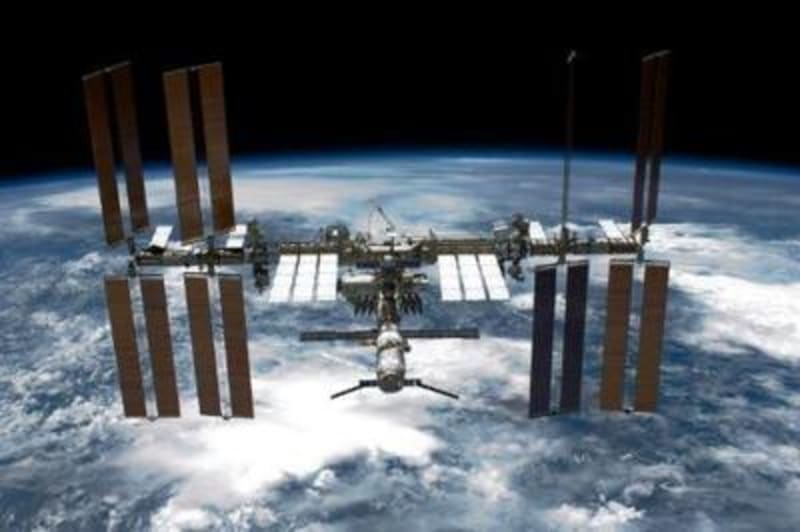
For 30 years, humans have lived continuously aboard a football field-sized laboratory traveling around Earth at five miles per second. The International Space Station will make its final journey home in 2030, closing a remarkable chapter of global teamwork.
Since November 2000, astronauts from different countries have shared meals, conducted experiments, and gazed at Earth together 250 miles above our planet. Every single day for more than 25 years, people have been living and working in space.
"The ISS is a cathedral to human cooperation and collaboration across borders, languages and cultures," said John Horack, former manager of NASA's Science and Mission Systems Office. He now teaches aerospace policy at Ohio State University.
The station was born from an unlikely partnership. After decades of Cold War rivalry, Russia and the United States joined forces to build something extraordinary together. Even now, as the war in Ukraine has severed many ties between Russia and the West, astronauts from both nations continue working side by side aboard the ISS.
NASA selected SpaceX last year to build a vehicle that will guide the aging station back through Earth's atmosphere. The spacecraft will slow down the ISS and steer it toward a remote spot in the Pacific Ocean called Point Nemo, far from any land or people.
After 2030, China's Tiangong will be the only government-run space station orbiting Earth. The United States is shifting toward commercial space stations built by private companies like Blue Origin and Axiom Space.
The Ripple Effect
The ISS didn't just advance science. It proved that former enemies could become partners when working toward something bigger than themselves.
Space agencies will still send astronauts to these new commercial stations. Research and exploration remain goals that unite humanity, protected by international treaties governing how nations should act in space.
Parents who grew up taking their children outside to watch the bright dot of the ISS streak across the night sky will soon lose that ritual. But the end of one era opens another, with new stations and deeper exploration ahead.
As former European Space Agency head Jean-Jacques Dordain said: "If you want to go fast, go alone. If you want to go far, go together." The ISS proved we can go far.
More Images


Based on reporting by Google: cooperation international
This story was written by BrightWire based on verified news reports.
Spread the positivity!
Share this good news with someone who needs it