Italy Moves to Ban Horse Meat, Redefine Horses as Pets
Italy is considering groundbreaking legislation that would ban horse meat and officially classify horses, donkeys, and mules as companion animals rather than food. The bill has gained bipartisan support and reflects a major cultural shift, with 83% of Italians already choosing not to eat horse meat.
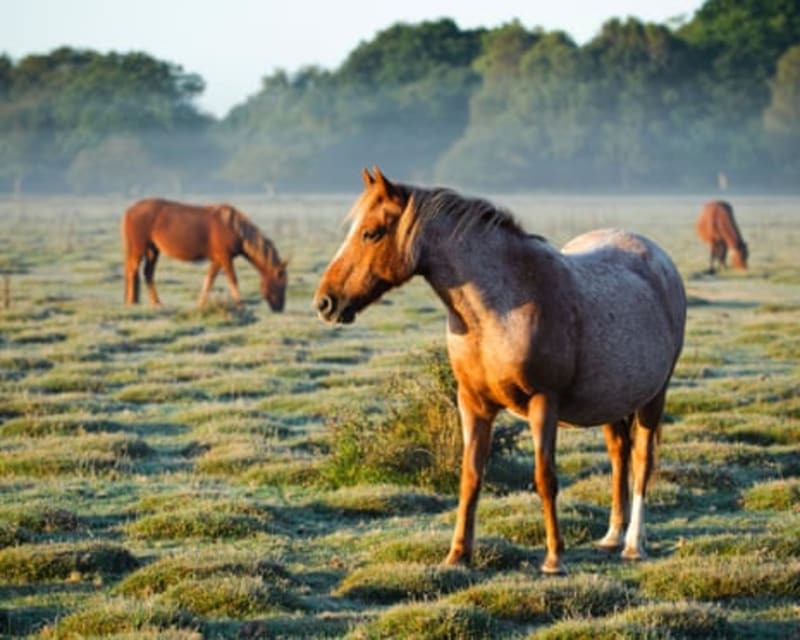
Italy is poised to become one of the first European nations to ban horse meat entirely, recognizing equines as beloved companions rather than cuisine.
The draft law, proposed by politician Michela Vittoria Brambilla and backed by both ruling and opposition parties, would make it illegal to slaughter horses, donkeys, and mules for consumption. Violators would face up to three years in jail and fines reaching €100,000.
The legislation reflects a remarkable cultural transformation already underway across Italy. Last year's survey revealed that 83% of Italians no longer eat horse meat, a dramatic shift from just a decade ago when the country was Europe's largest consumer of equine meat.
"Friends are not to be eaten," said Brambilla, who also leads an animal rights organization. She sees the bill as formalizing a change that has already captured the hearts of most Italians.
The proposal goes beyond just banning slaughter. It includes mandatory microchipping for all equines and establishes a national monitoring system to track and protect these animals. A €6 million fund would help horse breeders transition their businesses to new models that don't involve meat production.
Not everyone welcomes the change. Some politicians argue the ban erases important regional food traditions, particularly in areas like Verona, Salento, and Catania where horse meat dishes have been served for generations. They worry about economic impacts on traditional businesses.
Why This Inspires
This story captures something powerful happening across cultures: our relationship with animals is evolving. What was once considered normal is being reconsidered through a lens of compassion and connection.
Italy's potential ban isn't about forcing change on unwilling people. Instead, it's lawmakers catching up to where citizens already are. When 83% of people voluntarily stop eating something their grandparents enjoyed, that's organic cultural evolution driven by growing empathy.
The €6 million transition fund shows lawmakers aren't ignoring economic realities. They're acknowledging that change requires support, not just rules. Breeders who built businesses around one model will get help pivoting to new opportunities.
If passed, Italy would join a small but growing list of nations choosing to protect rather than consume equines. The bill represents democracy responding to shifting values, businesses adapting to new ethics, and a society deciding that some animals deserve a different relationship with humans.
The vote hasn't happened yet, but the cultural shift is already complete.
More Images



Based on reporting by Guardian Environment
This story was written by BrightWire based on verified news reports.
Spread the positivity!
Share this good news with someone who needs it