Italy Uncovers 2,000-Year-Old Basilica by Vitruvius
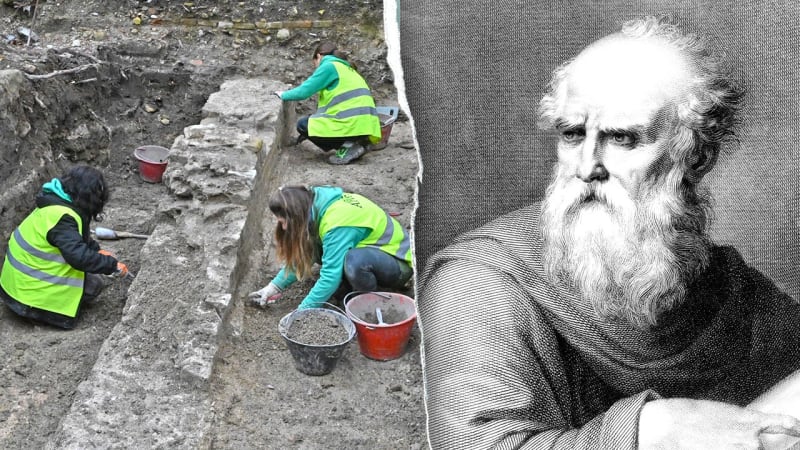
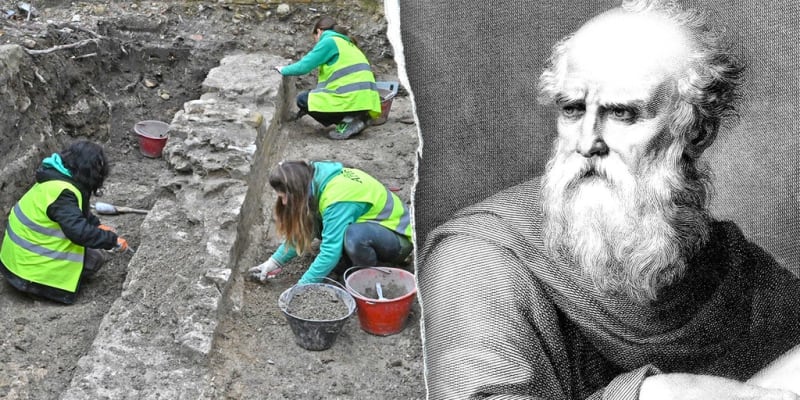
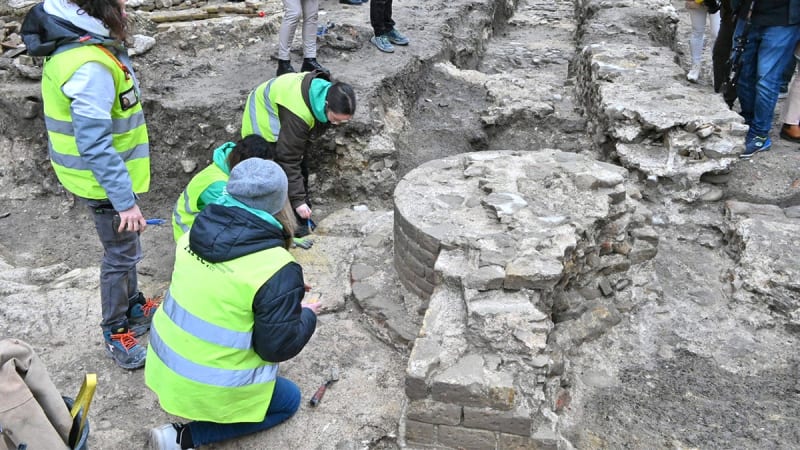
Archaeologists in Italy have discovered a 2,000-year-old basilica in Fano that experts can link with absolute certainty to Vitruvius, the legendary father of architecture. After 500 years of searching, researchers finally matched the building's exact layout to descriptions in the oldest surviving architecture text ever written.
Archaeologists in Italy just solved a mystery that stumped researchers for five centuries.
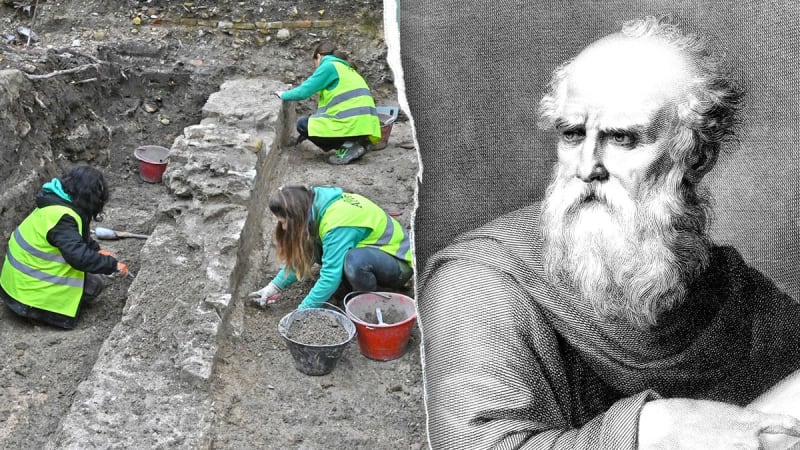
The team unearthed a 2,000-year-old basilica in Fano, a coastal city 150 miles northeast of Rome, that matches perfectly with descriptions written by Vitruvius himself. He's the ancient Roman engineer known as the father of architecture, and this is the only building experts can connect to him with complete certainty.
The discovery feels like finding a needle in a historical haystack. Vitruvius wrote "De architectura" between 80 BC and 15 BC, creating the oldest surviving text on architecture, engineering, and urban planning. His work influenced everyone from Leonardo da Vinci (who created the famous "Vitruvian Man" drawing) to Renaissance architect Andrea Palladio.
But until now, archaeologists could only read about his buildings. They couldn't touch them or walk through them.
The basilica's layout tells the story. Regional archaeological superintendent Andrea Pessina told reporters they found "an absolute match" between the stone remains and Vitruvius's written descriptions. The rectangular building featured 10 columns on its longer sides and exactly four on its shorter ones, just as the ancient text specified.
"There are few certainties in archaeology, but we were impressed by the precision of the match," Pessina said at the January 19 press conference. The team plans to continue excavating and hopes to eventually open the site to visitors.
Why This Inspires
This discovery bridges 2,000 years of human achievement in a single moment. Vitruvius didn't just theorize about good design. He built it, and his work survived long enough for modern eyes to see.
Italian Culture Minister Alessandro Giuli called it "a sensational finding" and noted that "our grandchildren will be talking about" this discovery. Fano's mayor, Luca Serfilippi, went further, calling it "the discovery of the century."
The find adds to a remarkable season of Roman discoveries. Last fall, archaeologists uncovered a massive stone basin belonging to Gabii, once a powerful rival of Rome. Weeks before that, Sicily announced the discovery of a helmet from a crucial 241 BC naval battle.
Each discovery rewrites what we know about ancient innovation and reminds us that history still has secrets worth uncovering.
More Images
Based on reporting by Google: archaeological discovery
This story was written by BrightWire based on verified news reports.
Spread the positivity!
Share this good news with someone who needs it