
Jamaicans Win Court Battle to Reclaim Public Beaches
After years of being locked out of their ancestral beaches by luxury hotels, Jamaican communities are taking their fight to court and winning back access to cherished coastal spaces. Five landmark cases set to go to trial could transform how the island balances tourism with local rights.
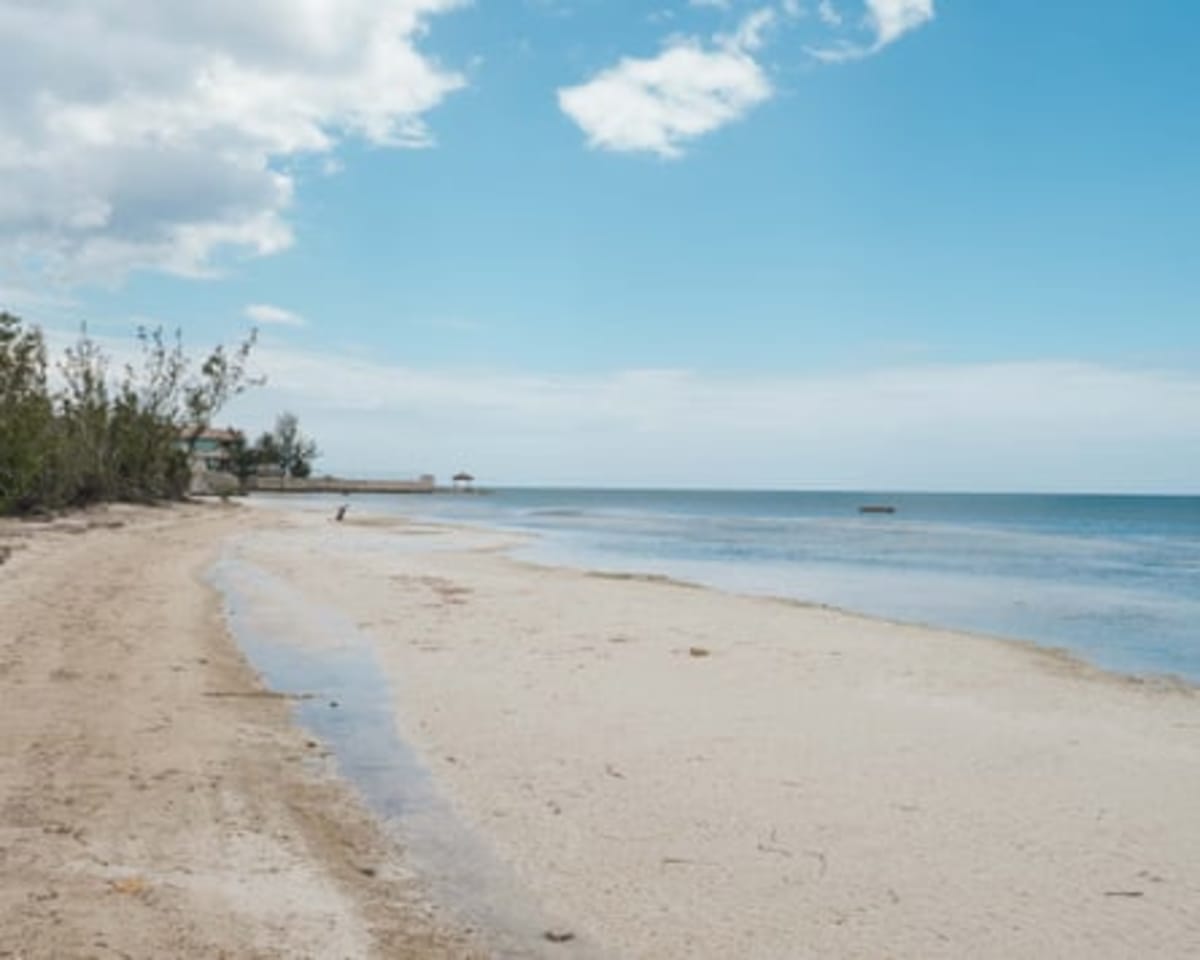
Devon Taylor grew up swimming in the crystal waters of Mammee Bay, watching fishers sell their daily catch, and running along the beach after school with friends from his St Ann neighborhood.
That changed in 2019 when developers building luxury all-inclusive hotels erected fences and stationed armed guards to block locals from beaches their families had used for generations. When the community tore down the barriers in protest, concrete walls went up during COVID lockdowns.
Now Taylor and his organization, the Jamaica Beach Birthright Environmental Movement, are fighting back in court. Five beaches across Jamaica are at the center of landmark legal cases, with the first trial starting this month.
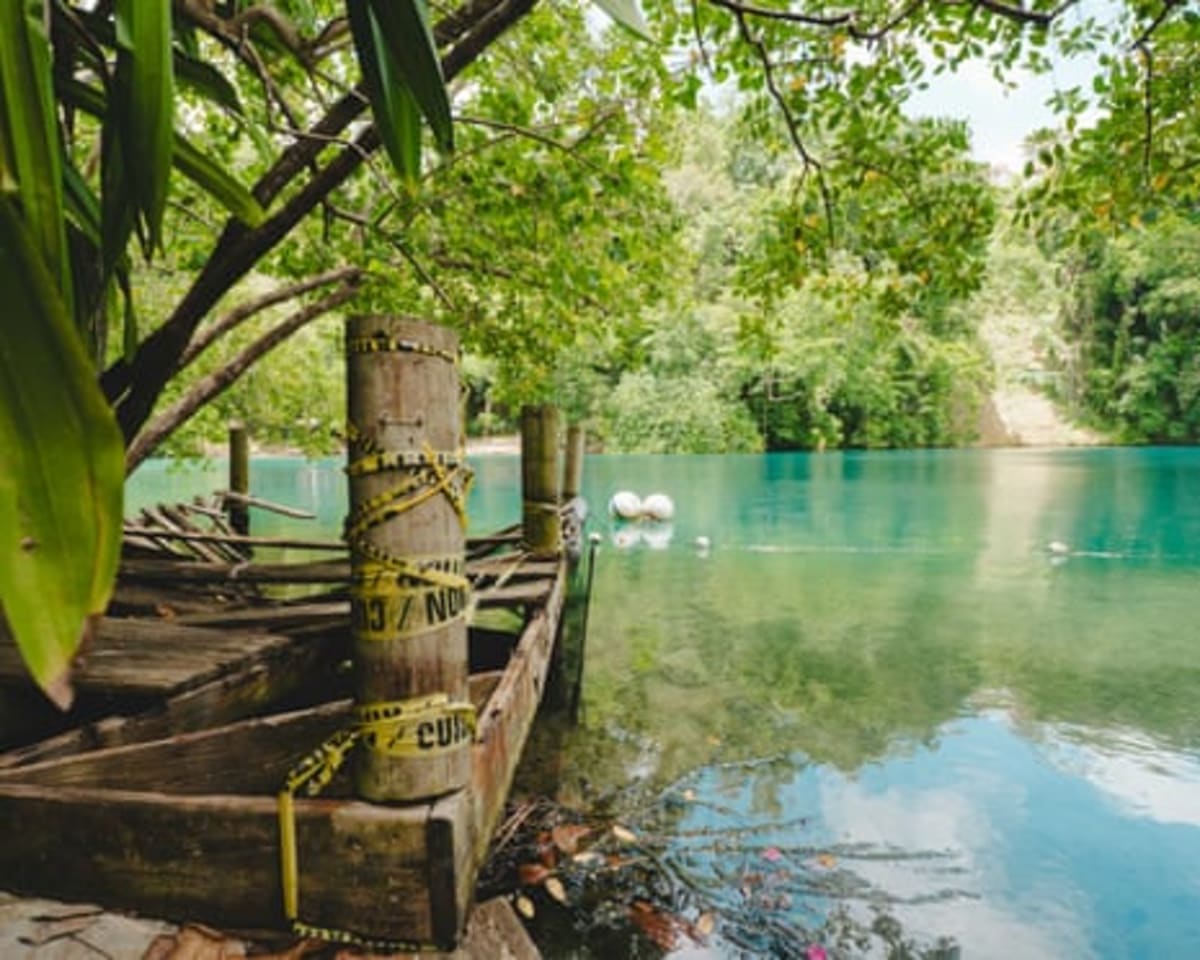
At the Blue Lagoon in Portland, a mystical 180-foot-deep swimming hole famous for its shifting turquoise waters, local authorities promised a 90-day closure for improvements in 2022. Community members say they later discovered the real plan was permanent closure to make way for private villas.
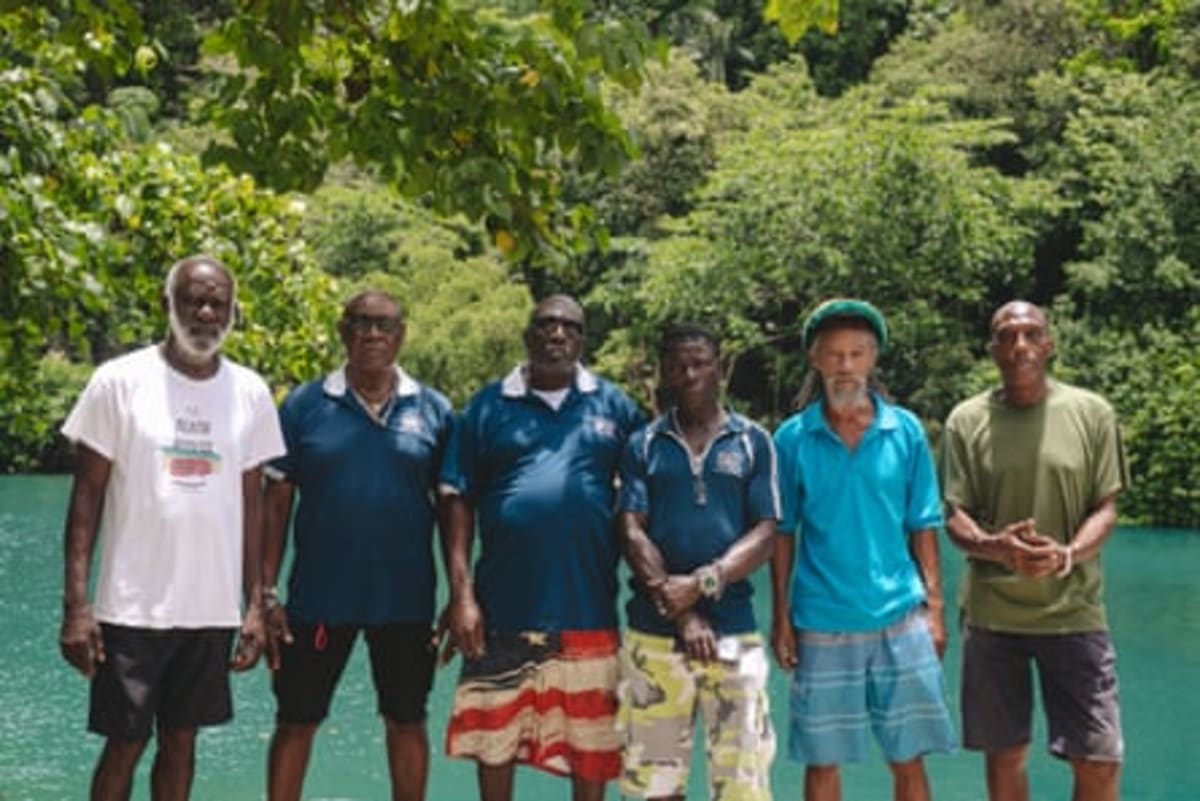
"For generations this beach has sustained all the communities around it," says Colin Beckford, president of the Blue Lagoon Alliance. Wilbourn Carr, 73, has been swimming there since he was 14, drawn by the mineral springs that locals believe have healing properties.
In Flankers, campaigners filed an injunction to stop developers from building in the sea. Community coordinator Monique Christie points out that public beach access means local families can pack a picnic and enjoy their country's natural beauty without expensive resort fees.
The issue traces back to colonial-era laws that gave beach ownership to the British crown. When Jamaica gained independence in 1962, those beaches became state property, but the old legal framework remained, allowing the government to grant access to developers while restricting locals.
Why This Inspires
These communities aren't just fighting for sandy real estate. They're reclaiming spaces where fishers make their living, where elders gather healing spring water, and where children learn to swim in the same waters their grandparents did.
The court cases represent a growing movement of Jamaicans refusing to accept that economic development must come at the cost of their birthright. They're demanding their government find ways to welcome tourists while honoring the cultural and economic importance these beaches hold for local families.
In Flankers, Rastafarian Olando Brown meditates by the sea his ancestors fought for. "We shouldn't be forced to fight for what is already ours," he says.
The trials beginning this month will test whether Jamaica's legal system can balance the multibillion-dollar tourism industry with the rights of communities who've called these shores home for generations.
More Images

Based on reporting by Guardian Environment
This story was written by BrightWire based on verified news reports.
Spread the positivity!
Share this good news with someone who needs it
%2Ffile%2Fattachments%2F2991%2F6I1A9013_347558_673817.jpg)