James Webb Captures One Galaxy in Four Time Snapshots
Scientists using the James Webb Space Telescope discovered a cosmic mystery with a brilliant solution: one distant galaxy appearing four times in a single image, each snapshot revealing a different moment across 130 years. This gravitational magic trick is helping solve one of astronomy's hottest puzzles.
Scientists just found a way to watch a distant galaxy age over a century, all in one photograph.
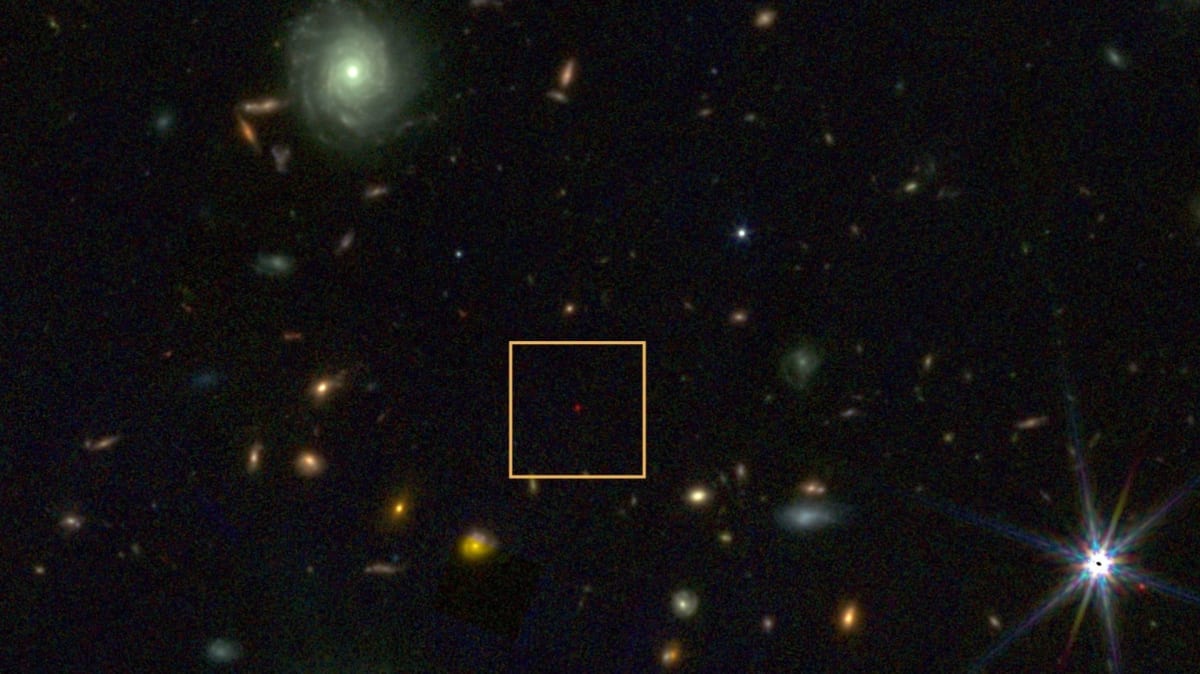
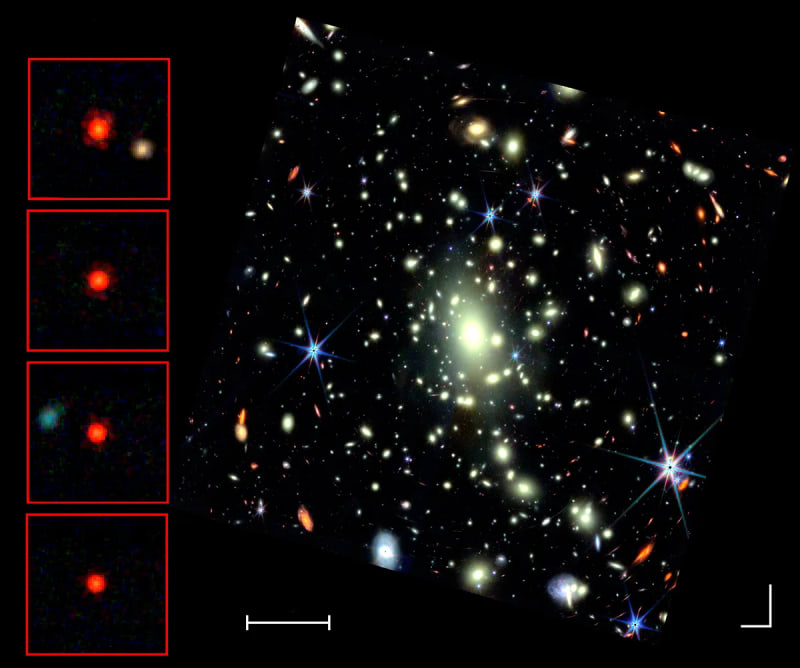
The James Webb Space Telescope captured something extraordinary: a mysterious "little red dot" galaxy split into four separate images by gravitational lensing. Each image shows the same galaxy at a different point in time, spanning 130 years of cosmic history.
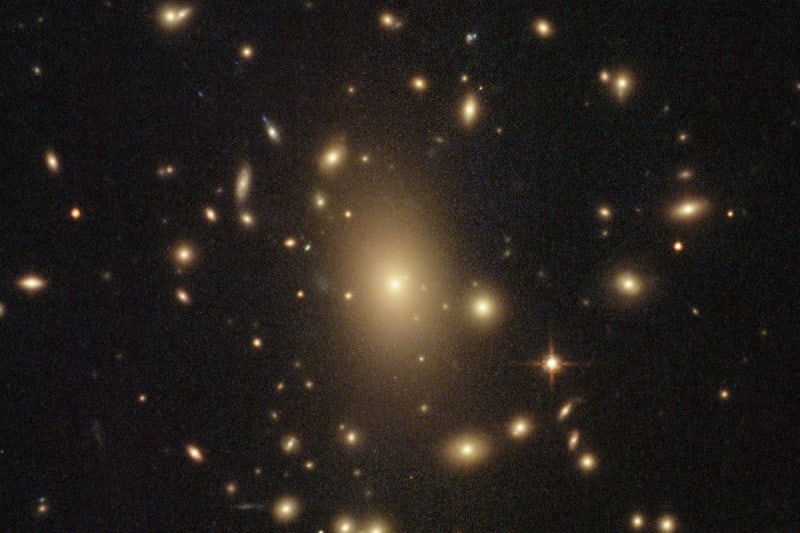
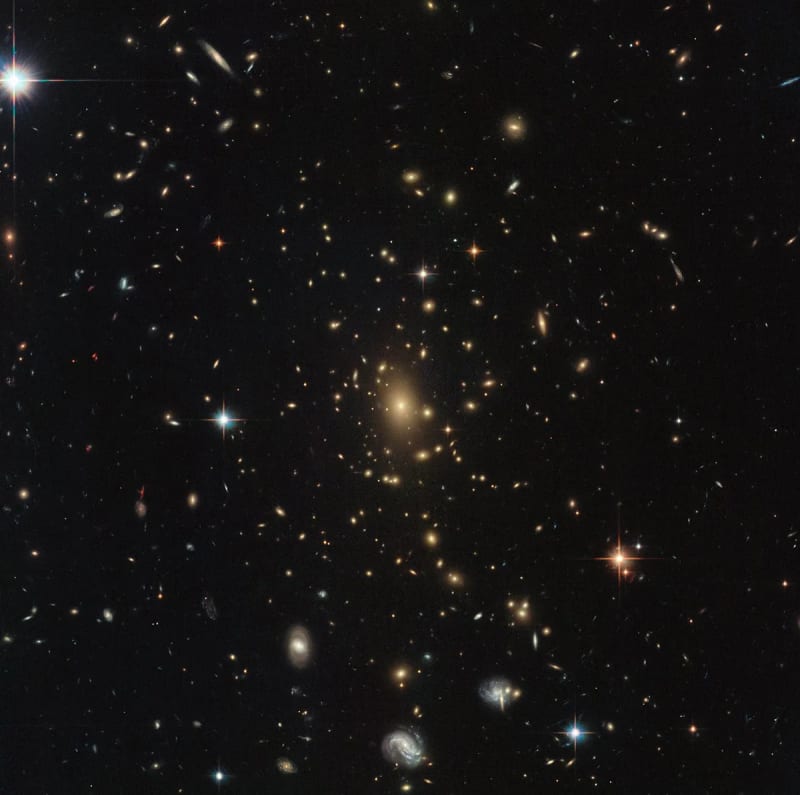
The galaxy sits behind a massive cluster called RXC J2211-0350, which acts like a cosmic magnifying glass. As light from the distant galaxy bends around the cluster's gravity, it takes four slightly different paths to reach us, creating what astronomers call an Einstein cross.
Here's where it gets exciting. Because each light path travels a different distance, each image captures the galaxy at a different moment, with the oldest and youngest snapshots separated by about 130 years.
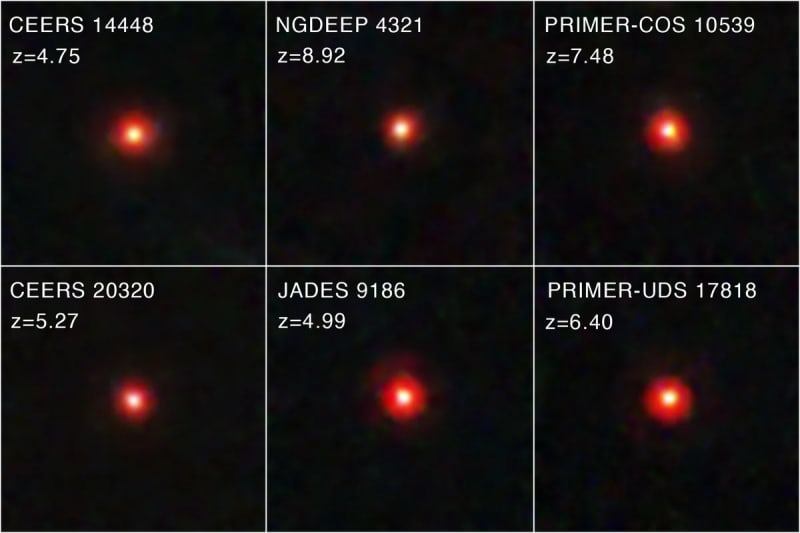
The galaxy itself is one of astronomy's biggest mysteries right now. These "little red dots" are compact, incredibly bright, and puzzlingly faint in X-rays and radio waves. Scientists believe supermassive black holes power them, but understanding how remains challenging.
A team led by Zijian Zhang from Peking University studied the four images closely. They noticed something remarkable: each snapshot shows slightly different colors and brightness levels.
The researchers propose the galaxy has an envelope of hot gas around its central black hole. Heated by material falling onto the black hole, this gas pulses like a giant variable star, creating brightness changes over decades.
The Bright Side
This discovery transforms one puzzling galaxy into a cosmic time machine. Instead of waiting decades to see how these objects evolve, scientists can compare four different time periods right now.
The team estimates the pulsing pattern repeats every 32 years. If they're right, observations over the next few years should show predictable brightness changes, confirming their theory about how these mysterious objects work.
If the brightness varies randomly instead, it would suggest something different is happening, perhaps irregular feeding of the black hole. Either outcome helps scientists understand these enigmatic objects better.
Gravitational lensing has given astronomers an unexpected gift: a window into cosmic evolution that would otherwise take more than a human lifetime to observe, delivered in a single image that reveals how galaxies and their monster black holes grow and change across the universe.
More Images
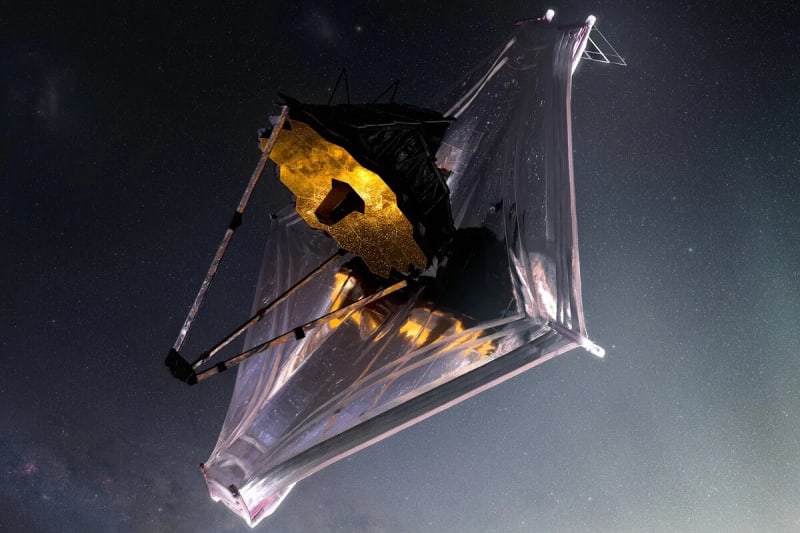
Based on reporting by Google: James Webb telescope
This story was written by BrightWire based on verified news reports.
Spread the positivity!
Share this good news with someone who needs it