James Webb Maps First Rocky Exoplanet Climates
Scientists used the James Webb Space Telescope to create the first climate maps of Earth-like rocky planets beyond our solar system. The discovery brings researchers one step closer to finding worlds that could support life.
Scientists just achieved something remarkable: they mapped the climate of rocky planets orbiting a distant star for the very first time.
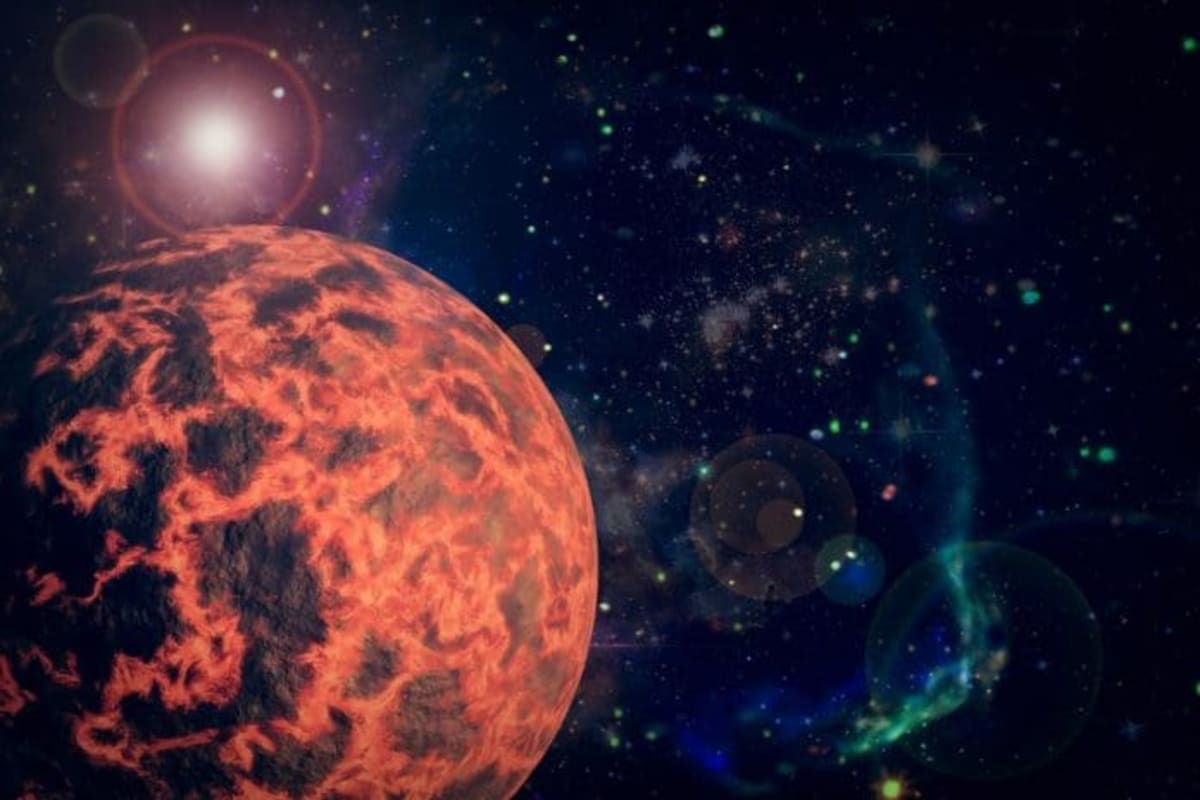
Using the James Webb Space Telescope, an international team studied two planets in the TRAPPIST-1 system, located about 40 light-years from Earth. After 60 hours of continuous observation, they measured temperatures on both the day and night sides of these worlds, creating the first complete climate picture of rocky exoplanets similar in mass to Earth.
The TRAPPIST-1 system is a cosmic treasure trove. Seven planets orbit a red dwarf star, and at least three sit in the "Goldilocks zone" where temperatures could allow liquid water to exist.
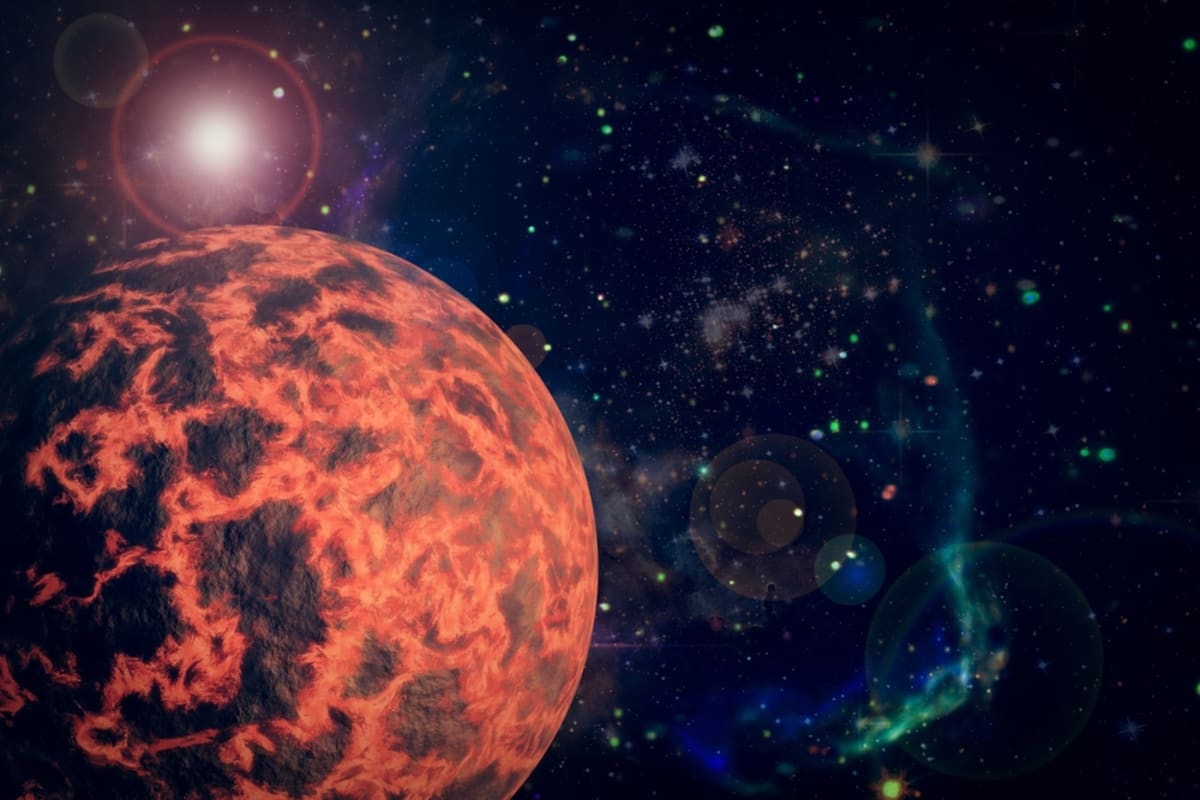
The two planets studied, TRAPPIST-1b and TRAPPIST-1c, revealed extreme temperature swings exceeding 500 degrees Celsius between their day and night sides. This dramatic difference told scientists something important: these inner planets likely have no atmosphere to distribute heat around their surfaces.
While that might sound disappointing, it's actually valuable information. Red dwarf stars make up 75% of all stars in our galaxy, so understanding planets around them is crucial for finding habitable worlds.
"The TRAPPIST-1 system is incredible," says Emeline Bolmont, associate professor at the University of Geneva and study co-author. "Seven planets, some with masses similar to Earth's, orbit the same star. It is the perfect playground for comparative planetology."
The intense radiation from red dwarf stars can strip away planetary atmospheres, especially for planets orbiting close to their star. All seven TRAPPIST-1 planets orbit closer to their star than Mercury does to our Sun.
Why This Inspires
This breakthrough proves we now have the technology to study the climates of distant Earth-like worlds in detail. Just like Mercury lacks an atmosphere while Venus and Earth retained theirs, the outer planets in TRAPPIST-1 may tell a different story than their inner neighbors.
The James Webb Space Telescope is now turning its powerful gaze to TRAPPIST-1e, a planet sitting right in the habitable zone where conditions might be just right for life. Theoretical models suggest these outer planets could possess atmospheres despite the harsh conditions their inner siblings face.
The team's findings, published in Nature Astronomy, came exactly ten years after the discovery of the TRAPPIST-1 system. That timing reflects how far planetary science has advanced in just a decade.
"Our theoretical models show that the outermost planets of the TRAPPIST-1 system can possess an atmosphere," Bolmont explains. "We look forward to continuing the exploration of the TRAPPIST-1 system!"
Each observation brings humanity closer to answering one of our most profound questions: are we alone in the universe?
More Images

Based on reporting by Google: James Webb telescope
This story was written by BrightWire based on verified news reports.
Spread the positivity!
Share this good news with someone who needs it