James Webb Telescope Captures Stunning Whirlpool Galaxy
NASA's James Webb Space Telescope just delivered a breathtaking new portrait of the Whirlpool Galaxy that reveals star nurseries glowing 31 million light-years away. Even better news: amateur stargazers can spot this cosmic wonder with basic binoculars from their own backyards.
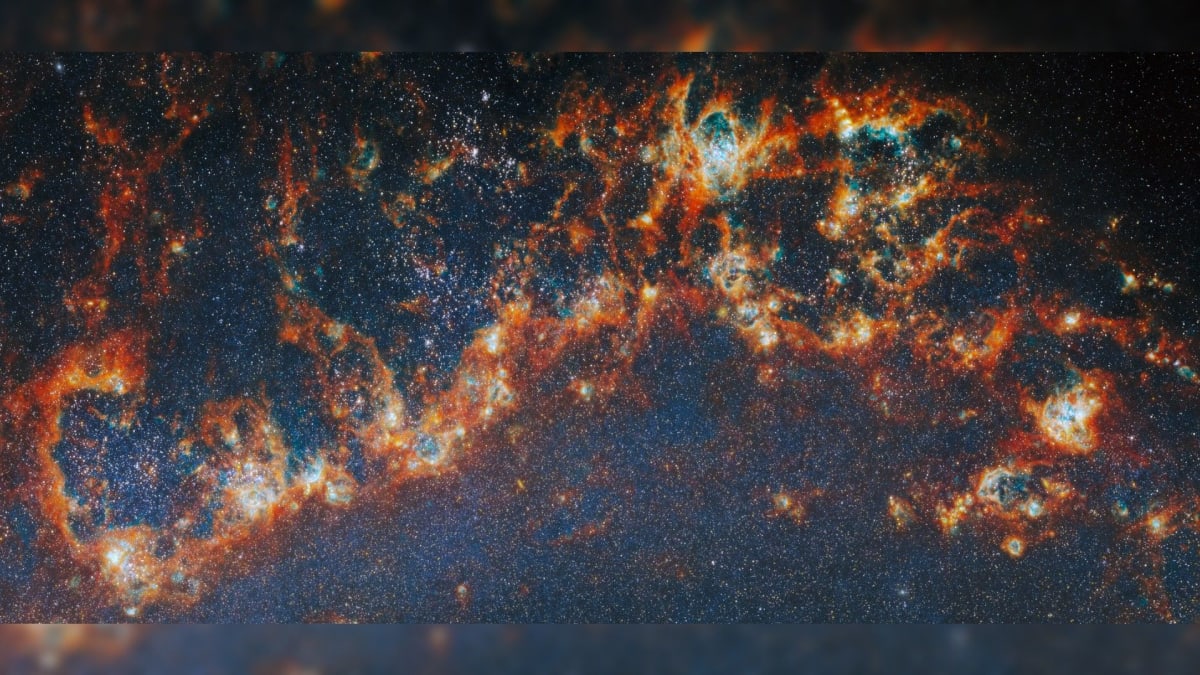
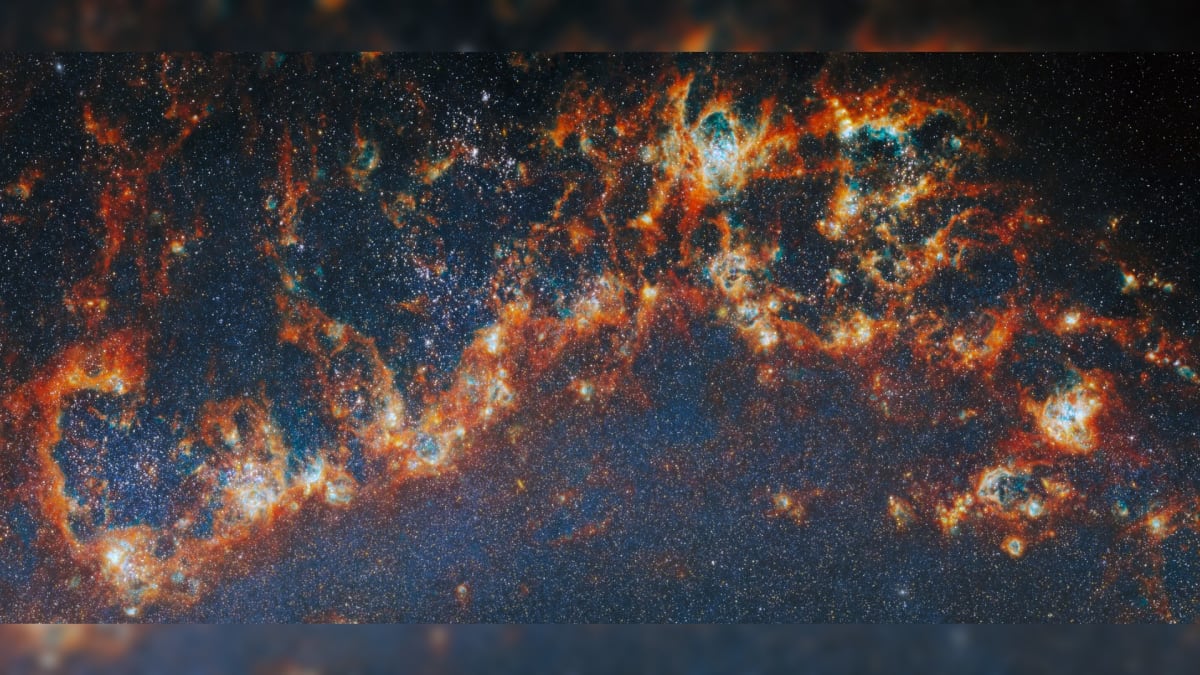
The Whirlpool Galaxy has never looked more alive than in this latest snapshot from NASA's James Webb Space Telescope, where swirling arms of red and orange gas shine across the darkness of deep space. The image captures something spectacular happening in real time: new stars being born.
Formally known as Messier 51, this spiral galaxy stretches 76,900 light-years across in the constellation Canes Vanatici. While that's smaller than our own Milky Way, the galaxy's stunning spiral arms measure tens or even hundreds of light-years wide, packed with hydrogen gas and dust compressing into brand new stars.
The James Webb Space Telescope's Near-Infrared Camera made this magic possible by seeing light just beyond what human eyes can detect. This special view reveals the galaxy's star-forming regions in unprecedented detail, showing the cosmic process that creates suns like our own.
What makes the Whirlpool Galaxy particularly special is its accessibility to everyday people. Amateur astronomers have been spotting its spiral shape for years using small telescopes or even simple binoculars, making it one of the most beloved objects in the night sky.
Why This Inspires
At 31 million light-years away, the Whirlpool Galaxy counts as one of our closer cosmic neighbors. Yet the fact that backyard stargazers can observe the same galaxy that cutting-edge space technology photographs in stunning detail reminds us that wonder exists at every level of exploration.
The galaxy's ongoing star formation tells an encouraging story about the universe itself. While the light reaching us today actually left the galaxy 31 million years ago, those ancient photons reveal a cosmos constantly creating, growing, and renewing itself.
This image represents more than beautiful space photography. It connects professional astronomers using billion-dollar telescopes with curious kids peering through binoculars in their backyards, all looking at the same magnificent spiral of light and possibility.
The universe keeps making new stars, and we get to watch it happen.
More Images

Based on reporting by Space.com
This story was written by BrightWire based on verified news reports.
Spread the positivity!
Share this good news with someone who needs it