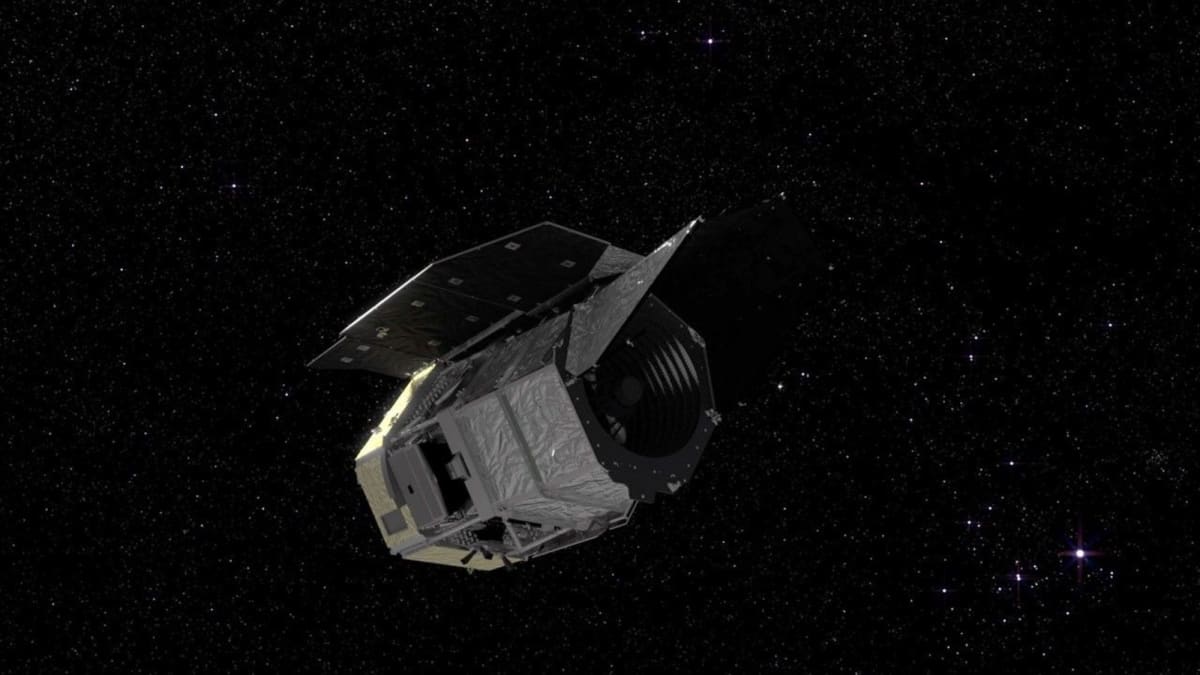
James Webb Telescope May Soon Spot Universe's First Stars
The James Webb Space Telescope could soon glimpse the universe's very first stars, ancient giants that exploded billions of years ago and created the building blocks for everything we know today. These cosmic discoveries might even help solve the mystery of dark matter.
Scientists are on the brink of seeing something no human has ever witnessed: the universe's very first stars.
The James Webb Space Telescope, which launched on Christmas Day 2021, is now powerful enough to potentially spot these ancient giants. Nicknamed "dinosaur stars" for their primeval nature and enormous size, these Population III stars existed when our universe was barely 3 percent of its current age.
These weren't ordinary stars. Made purely of hydrogen, helium, and traces of lithium, they lived fast and died young, burning for just a few million years before exploding in spectacular supernovas.
But their brief lives changed everything. During their short existence, these massive stars created heavier elements like carbon, oxygen, nitrogen, and iron through nuclear fusion. When they exploded, they scattered these ingredients throughout space, seeding the universe with the building blocks that would eventually form planets and life as we know it.
Scientists have another reason to find these stars. When they died, most left behind black holes. Understanding these first stars could solve the puzzle of how supermassive black holes, some over a million times the mass of our sun, appeared so early in the universe's history.
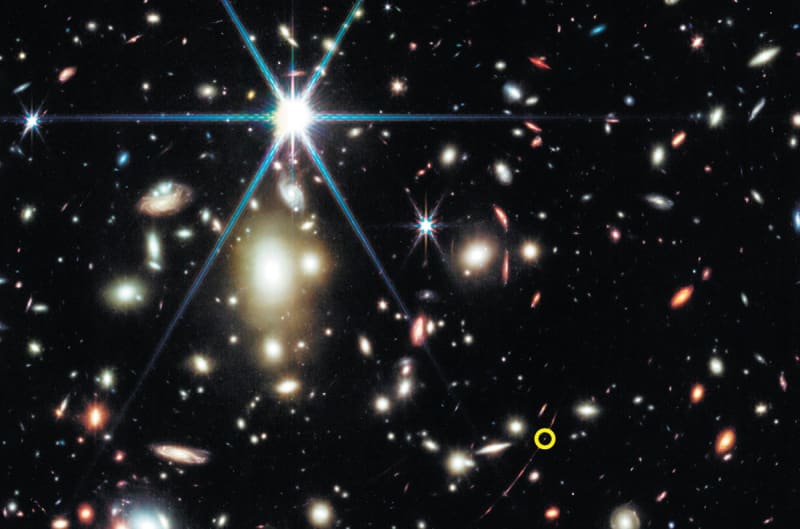
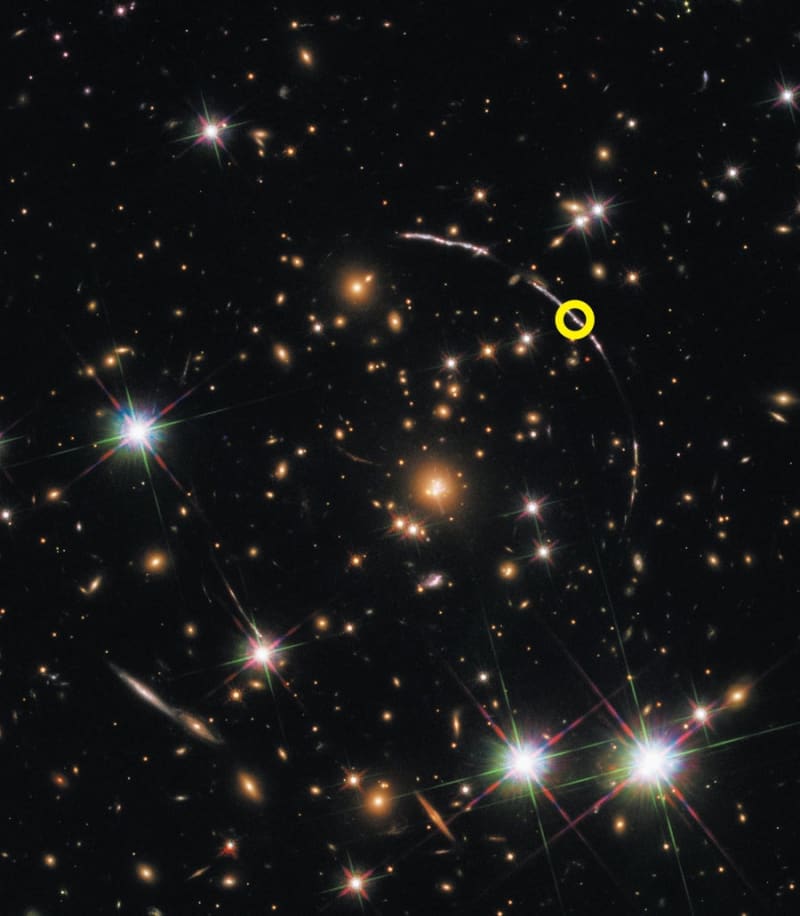
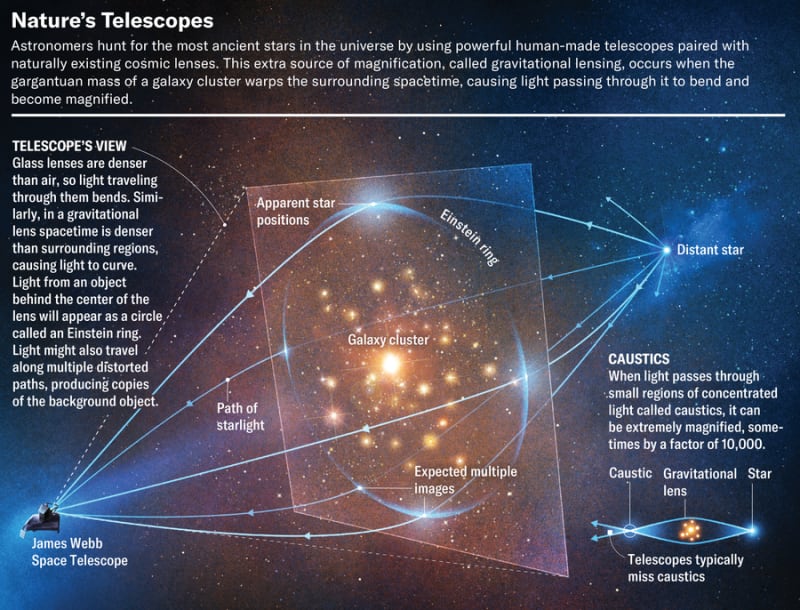
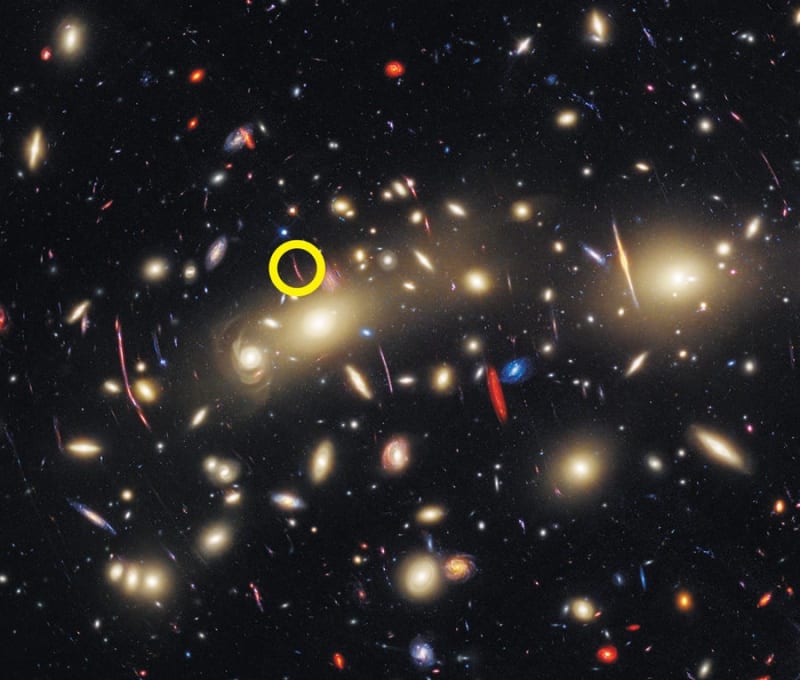
The telescope isn't working alone. Nature has provided a helpful boost through something called gravitational lensing. Massive galaxy clusters act like natural magnifying glasses, bending space and light to amplify distant objects behind them. Think of it like using a curved piece of glass to make tiny things look bigger.
Why This Inspires
The James Webb telescope has already discovered unexpected supermassive black holes from the universe's infancy, raising fascinating new questions about cosmic history. Now it's poised to answer them by revealing the very first generation of stars.
These ancient stars hold secrets beyond their own story. The light they emitted traveled through dark matter on its journey to our telescopes, meaning studying them could help unlock one of the universe's biggest mysteries: what invisible matter fills our cosmos.
After more than a decade of preparation and nail-biting moments during deployment, the telescope is now successfully operating 1.5 million kilometers from Earth. It's been gathering data since summer 2022, and researchers believe the breakthrough observations of Population III stars could come at any time.
The fact that humans can observe relics from the very beginning of time, stars that created the elements making up our own bodies, represents an extraordinary achievement. We're not just looking back in time. We're seeing the cosmic ancestors that made our existence possible.
More Images
Based on reporting by Google: James Webb telescope
This story was written by BrightWire based on verified news reports.
Spread the positivity!
Share this good news with someone who needs it