James Webb Telescope Spots Baby Black Holes Being Born
Scientists using the James Webb Space Telescope have discovered mysterious "little red dots" in the early universe that could be baby black holes caught in the act of growing. These tiny cosmic giants may finally show us how the supermassive black holes at the centers of today's galaxies first formed.
Scientists have spotted something incredible lurking in the oldest corners of our universe: baby black holes being born.
Princeton University astrophysicist Jenny Greene and her team are using the James Webb Space Telescope to peer back in time, capturing images of mysterious objects they call "little red dots." These tiny specks of light may be the cosmic nurseries where supermassive black holes first came to life.
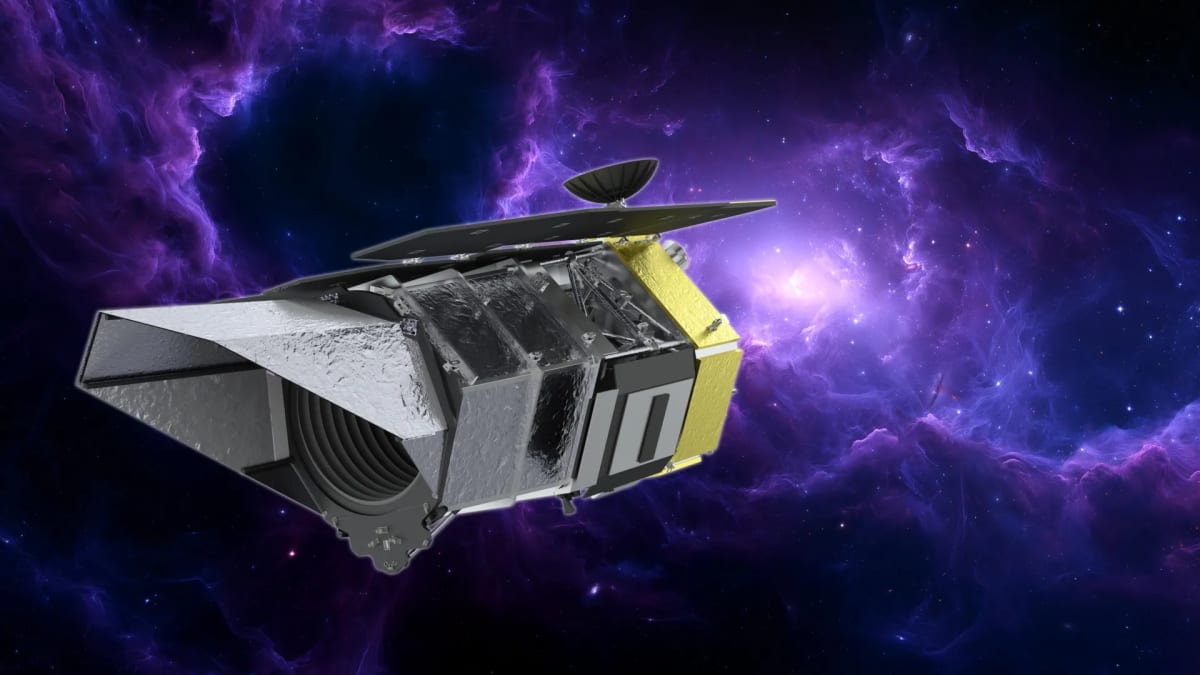
The James Webb telescope, with its six meter gold-plated mirror, can see what no other telescope could before. It peers into the infrared spectrum, allowing it to look through clouds of gas and dust that would normally block our view. Because the universe is expanding, light from the earliest galaxies stretches into infrared by the time it reaches us, making James Webb perfectly designed to capture these ancient moments.
The little red dots are causing quite a stir in the astronomy community. Greene believes they're intermediate mass black holes, weighing in at somewhere between one thousand and ten thousand times the mass of our sun. That might sound huge, but it's actually small for a black hole. Our own galaxy hosts a million sun black hole at its center, and scientists have always wondered how these cosmic monsters got their start.
What makes these discoveries so exciting is what they reveal about black hole growth. The light coming from these little red dots looks different from any growing black holes we've seen before. The unique spectrum suggests enormous amounts of material are falling into them right now, feeding their growth in real time.
Why This Inspires
The James Webb telescope represents decades of human ingenuity coming together to answer fundamental questions about our universe. Building on the legacy of the Hubble Space Telescope, which gave us supermassive black holes, Pluto's moons, and over 20,000 scientific papers, James Webb is now taking us even further back in time.
The telescope isn't just revealing black holes either. It's helping scientists study the atmospheres of planets orbiting distant stars, searching for signs of water and possibly even life. By watching how starlight passes through a planet's atmosphere during an eclipse, researchers can identify specific molecules like water vapor.
Scientists are finding these little red dots everywhere in the early universe, popping off constantly as they begin their growth journey. That abundance tells Greene and her colleagues they're probably looking at the common ancestors of today's supermassive black holes, finally catching them in their infancy after years of wondering where they came from.
We're witnessing cosmic history being written in real time, one little red dot at a time.
More Images

Based on reporting by Google: James Webb telescope
This story was written by BrightWire based on verified news reports.
Spread the positivity!
Share this good news with someone who needs it