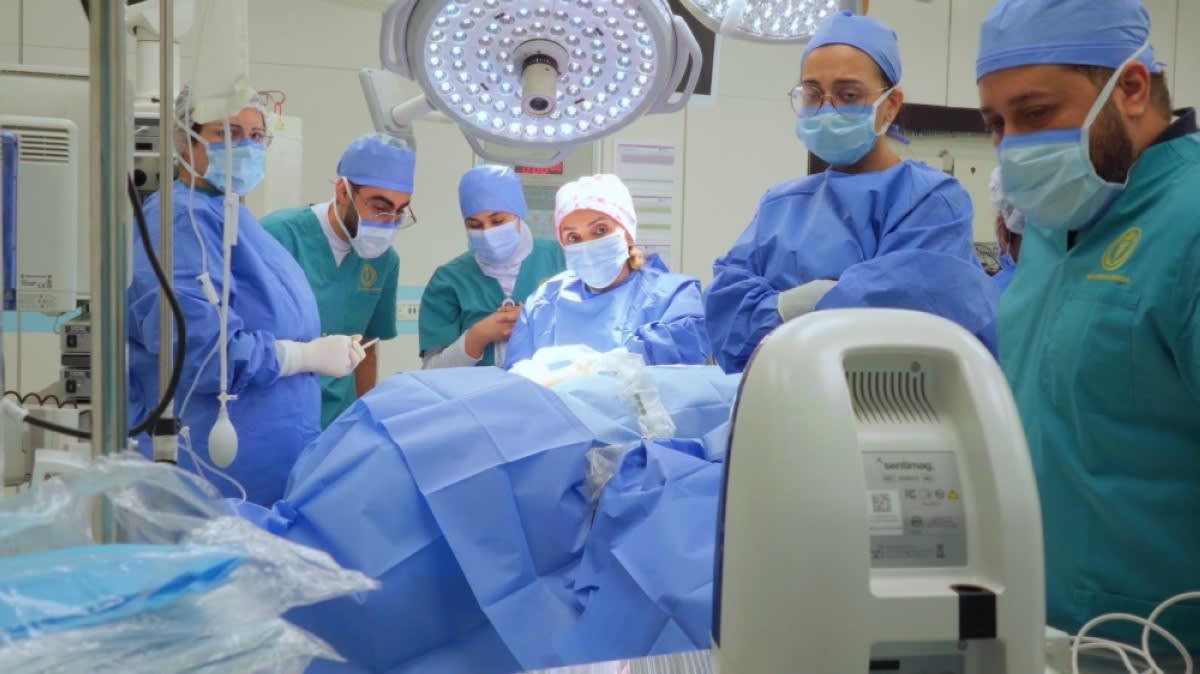
J&J's New Surgery Robot Saves Half the Operating Room Space
After six years of innovation challenges, Johnson & Johnson just won FDA approval for Ottava, the first surgical robot that disappears into the operating table when not in use. This breakthrough frees up to 50% more space in operating rooms while giving surgeons cutting-edge robotic precision.
Johnson & Johnson just cleared a major hurdle that could transform how surgeries happen across America.
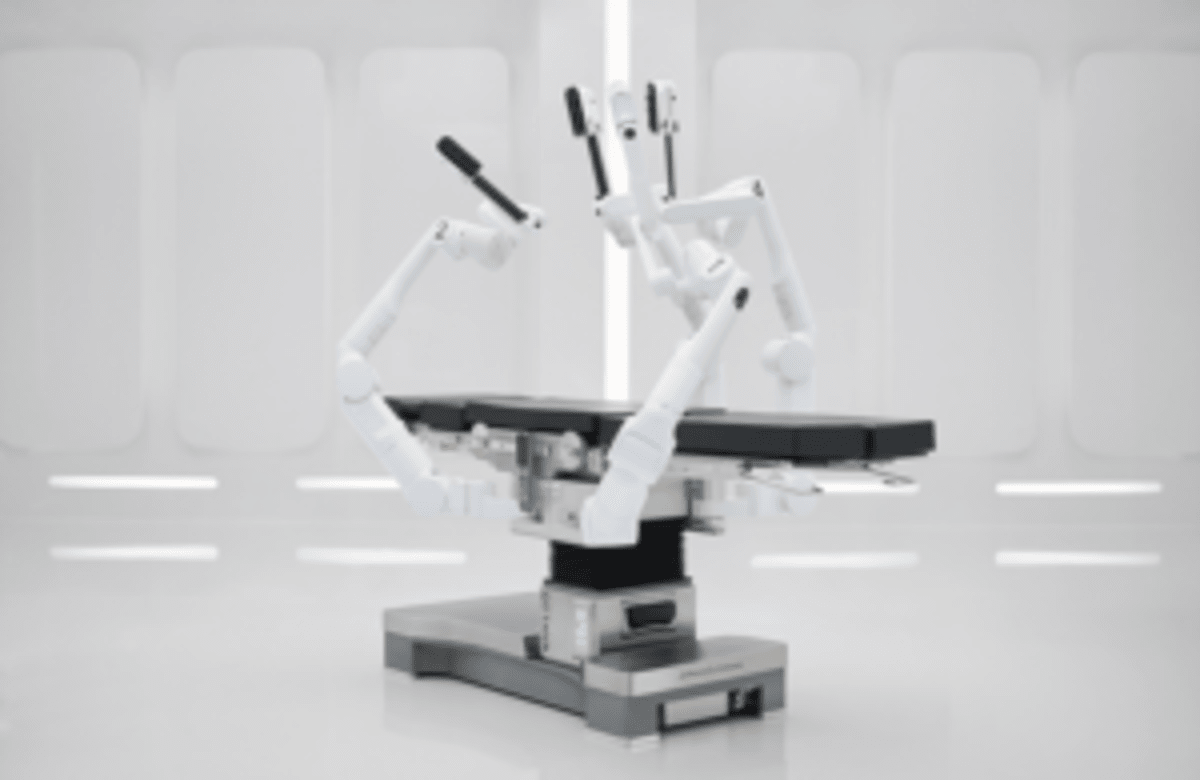
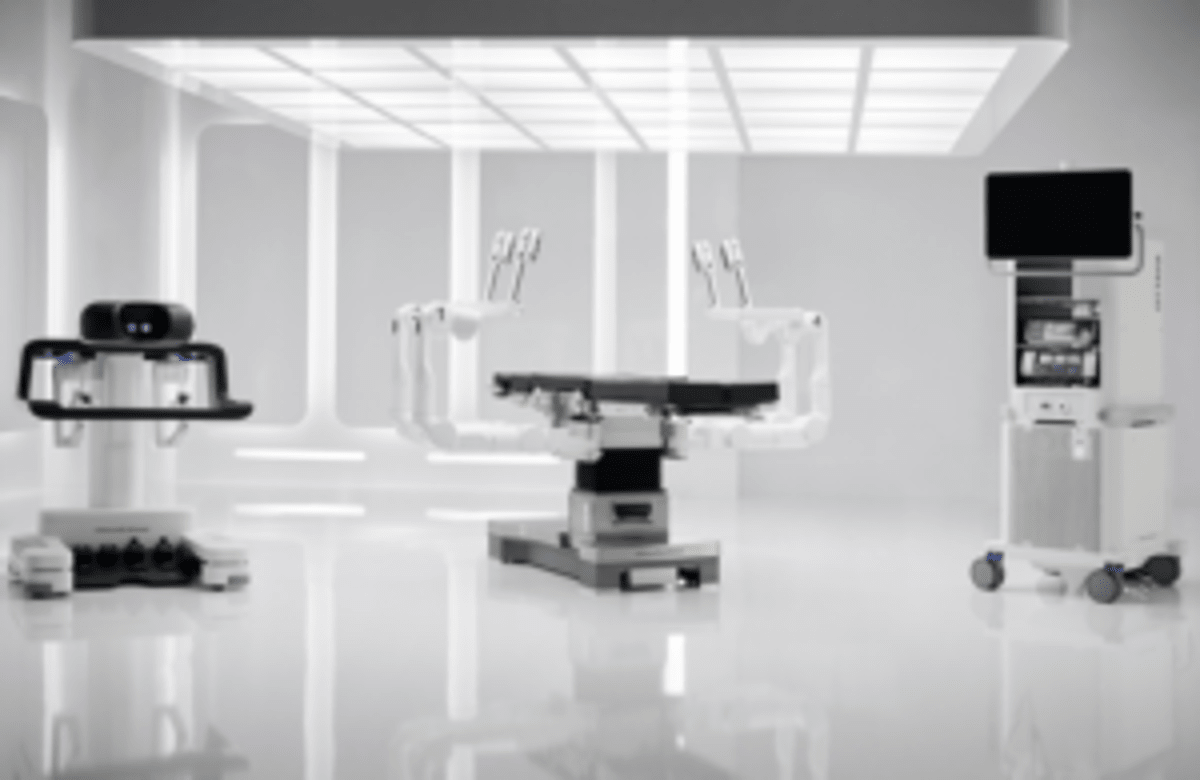
The healthcare giant received FDA approval for Ottava, a surgical robot unlike anything on the market today. Instead of bulky booms and carts that clutter operating rooms, Ottava's four robotic arms fold seamlessly into a standard surgical table when not needed.
The space savings are dramatic. Ottava takes up 30 to 50% less room than traditional surgical robots, giving medical teams more breathing room in already cramped operating environments.
"The robot is a table and the table is a robot," says Rocco De Bernardis, who leads the Ottava program globally. "There are no booms, no carts."
The journey to approval wasn't quick or easy. J&J first unveiled Ottava in 2020, then hit delays in late 2021 due to technical challenges and COVID supply chain disruptions that pushed the timeline back two years.
But the company stuck with it. They submitted their device application in January, met all study endpoints by May, and finally received authorization in July.
Ottava can now perform ten types of general surgery procedures, from gastric bypass to hernia repair. A clinical trial for inguinal hernia procedures is already underway to expand its capabilities further.
The technology goes beyond just moving robotic arms. Ottava connects to Johnson & Johnson's Polyphonic digital ecosystem, which combines learning tools, media, and data insights to help surgical teams improve over time.
Built-in automation removes manual steps that slow down procedures. The system aims to improve visibility, communication, workflow, and efficiency for everyone in the operating room.
Why This Inspires
For 140 years, Johnson & Johnson has been a surgery leader, and Ottava represents their biggest bet on the future. Instead of just copying existing robotic systems, they tackled a complex engineering problem to bring something genuinely new to hospitals.
The company's willingness to delay rather than rush shows commitment to getting innovation right. They chose solving real problems over beating competitors to market.
Hospitals making the investment want systems that work across multiple specialties, and J&J is building Ottava to meet that need. The FDA authorization confirms there's no existing device like it, earning Ottava a "de novo" classification reserved for truly novel medical technology.
The broader impact extends beyond just one robot. As J&J rolls out Ottava to select U.S. hospitals, they're focusing on early customer success rather than flooding the market, ensuring each surgical team gets the support needed to make the transition smooth.
Innovation rarely follows a straight line, and Ottava proves that persistence through setbacks can lead to breakthrough moments worth celebrating.
More Images
Based on reporting by Google: robotics innovation
This story was written by BrightWire based on verified news reports.
Spread the positivity!
Share this good news with someone who needs it