Japan and Denmark Partner to Build Wind Turbines by 2030
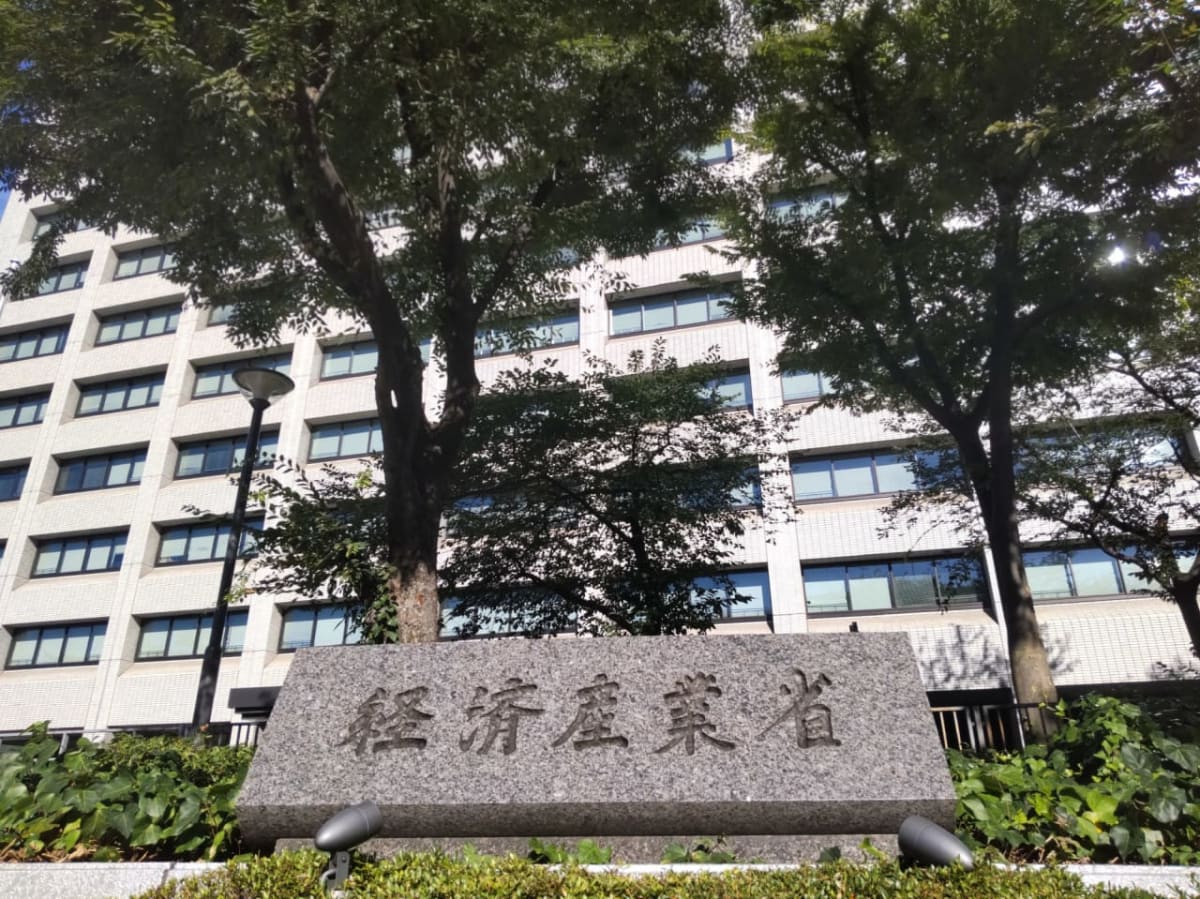
Japan is teaming up with Danish wind giant Vestas to build its first wind turbine assembly plant, aiming to boost clean energy from 1% to as much as 8% by 2039. The factory will create jobs and help Japan produce large wind turbines entirely on home soil.
Japan just took a major step toward energy independence and a cleaner future by signing a deal with one of the world's leading wind power companies.
The Japanese government and Vestas Wind Systems, Denmark's renewable energy powerhouse, signed an agreement Monday to build a wind turbine assembly plant in Japan. The factory should be up and running by March 2030, marking Japan's first facility capable of producing nacelles, the critical housing unit that contains a turbine's control systems and generator.
Two cities are competing to host the new plant: Kitakyushu in southern Japan and Muroran in Hokkaido. Both locations would bring manufacturing jobs and technical expertise to their regions while positioning Japan as a major player in Asian renewable energy.
The partnership addresses a real problem Japan has faced for years. Despite ambitious clean energy goals, the country lacks domestic manufacturing for essential wind turbine components like nacelles and blades. That means relying on imports and missing out on both economic opportunities and energy security.
The plan doesn't stop with one factory. By 2039, Japan aims to manufacture every part of large wind turbines domestically, from the blades that catch the wind to the towers that hold them high. It's a 15-year roadmap from dependence to self-sufficiency.
The Ripple Effect
This collaboration could reshape Japan's entire energy landscape. Right now, wind power generates just over 1% of Japan's electricity. The government wants to increase that share to between 4% and 8% by 2039, nearly quadrupling the country's clean energy capacity from wind alone.
The economic impact looks substantial too. The Japanese government expects the project to attract tens of billions of yen in investment at minimum and plans to support it with subsidies. That investment means construction jobs, manufacturing positions, maintenance careers, and all the supporting businesses that spring up around major industrial projects.
There's a catch: Vestas needs guaranteed orders for its turbines in Japan before the deal moves forward. But with the government backing the project and setting ambitious renewable energy targets, those orders seem likely to materialize.
For a country that imports nearly all its fossil fuels, building a domestic clean energy supply chain represents both environmental progress and economic strategy. Japan gets cleaner air, more energy security, and a skilled workforce ready for the renewable future.
The winds of change are finally blowing in Japan's direction.
More Images




Based on reporting by Google News - Wind Energy
This story was written by BrightWire based on verified news reports.
Spread the positivity!
Share this good news with someone who needs it

