Japan and U.S. Plan $550B Synthetic Diamond Factory
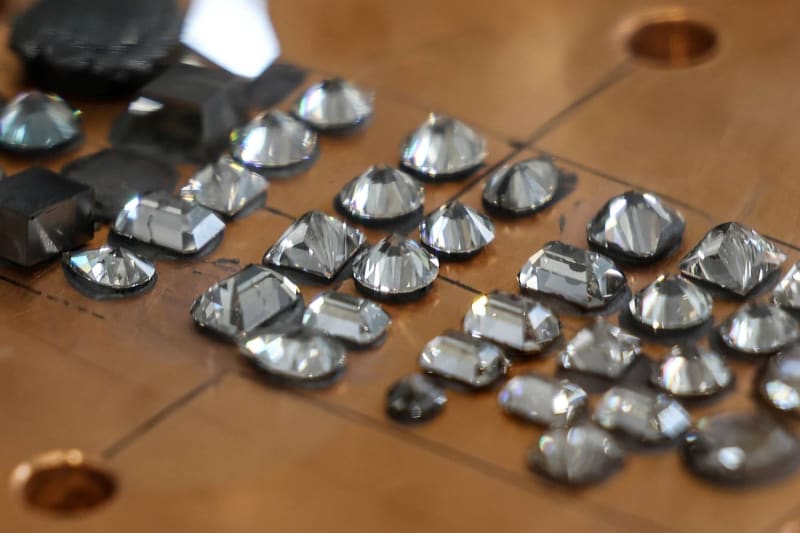
Japan and the United States are teaming up to build a synthetic diamond plant that could revolutionize chip manufacturing. The facility is a cornerstone of Japan's massive $550 billion investment in American innovation.
Two of the world's leading economies are joining forces to solve a critical shortage in the technology industry, and the solution sparkles with promise.
Japan is planning to build a synthetic diamond production plant in the United States as part of a groundbreaking $550 billion investment package between the two allies. The facility could be among the first projects announced when Japanese Prime Minister Sanae Takaichi visits America as early as March.
The stakes are higher than most people realize. These aren't diamonds for jewelry but precision-engineered materials essential for manufacturing computer chips and high-tech equipment. As demand for semiconductors continues to surge worldwide, securing a stable supply of synthetic diamonds has become crucial for both nations' economic futures.
The partnership addresses a vulnerability that has worried both countries for years. Right now, the supply chain for these specialized materials relies heavily on a small number of producers. By building domestic production capacity, Japan and the U.S. are taking control of their technological destiny.
Synthetic diamonds offer advantages that natural stones simply can't match for industrial use. They can be engineered to exact specifications, produced consistently, and manufactured without the ethical concerns that plague natural diamond mining. In semiconductor production, these lab-grown gems help create the extreme precision needed for cutting-edge chips.
The timing couldn't be better. Global demand for advanced semiconductors is expected to grow exponentially as artificial intelligence, quantum computing, and next-generation devices become mainstream. Countries that control the supply chain for critical materials will lead the next wave of innovation.
The Ripple Effect
This investment represents more than just one factory. It signals a deepening partnership between two democratic allies committed to building resilient, secure supply chains for critical technologies.
The project will create high-skilled jobs in advanced manufacturing, an area where both nations are eager to expand their workforce. Communities hosting such facilities often see increased investment in education and training programs that benefit workers for generations.
For American workers, this means opportunities in cutting-edge manufacturing that pays well and offers long-term career prospects. For Japanese companies, it means proximity to major customers and partners in the thriving U.S. tech sector.
The synthetic diamond plant also strengthens North America's position as a hub for semiconductor innovation. With major chip manufacturing investments already underway across the United States, adding domestic production of essential materials creates a more complete and secure ecosystem.
This is how allies build the future together: one strategic investment at a time, creating prosperity and security that benefits everyone.
More Images

Based on reporting by Japan Times
This story was written by BrightWire based on verified news reports.
Spread the positivity!
Share this good news with someone who needs it