Japan Approves World's First iPS Cell Medical Products
Two groundbreaking treatments using stem cells just moved closer to helping heart disease and Parkinson's patients in Japan. If final approval comes through, they'll be the first products of their kind anywhere in the world.
A panel of Japanese health experts just gave the green light to two medical products that could transform how we treat heart disease and Parkinson's disease.
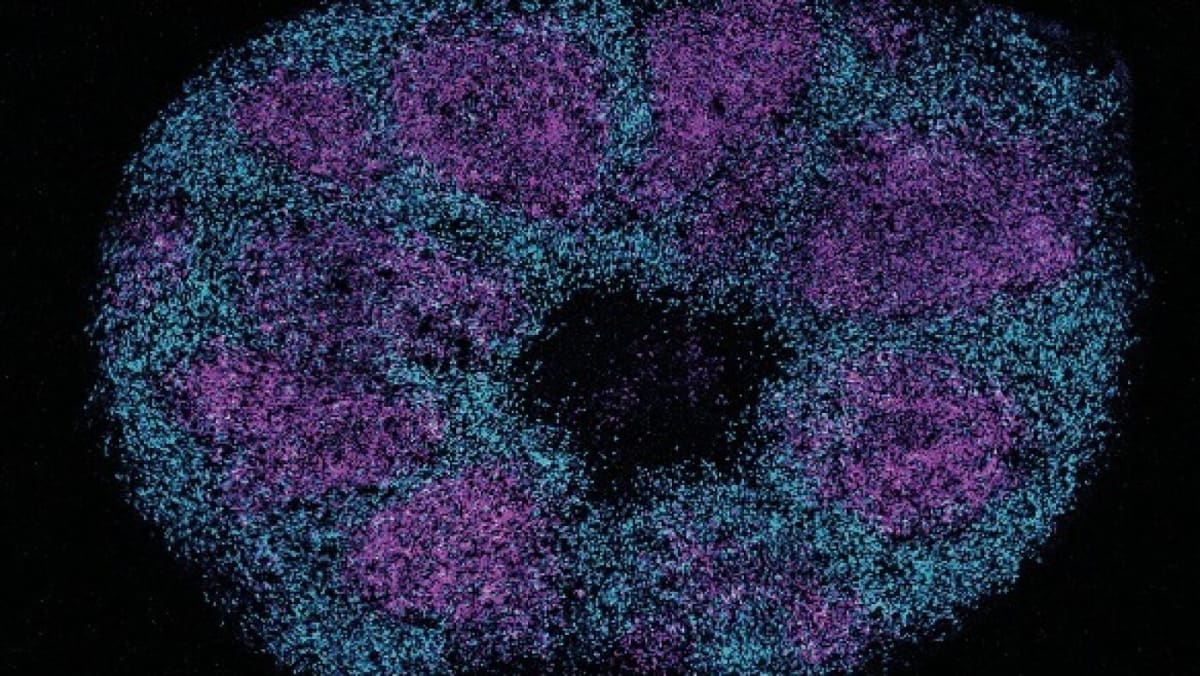
The treatments use induced pluripotent stem cells, or iPS cells, which are special cells that can develop into almost any type of tissue in the body. If Japan's health minister gives final approval in the coming weeks, these will be the world's first iPS cell products available for sale.
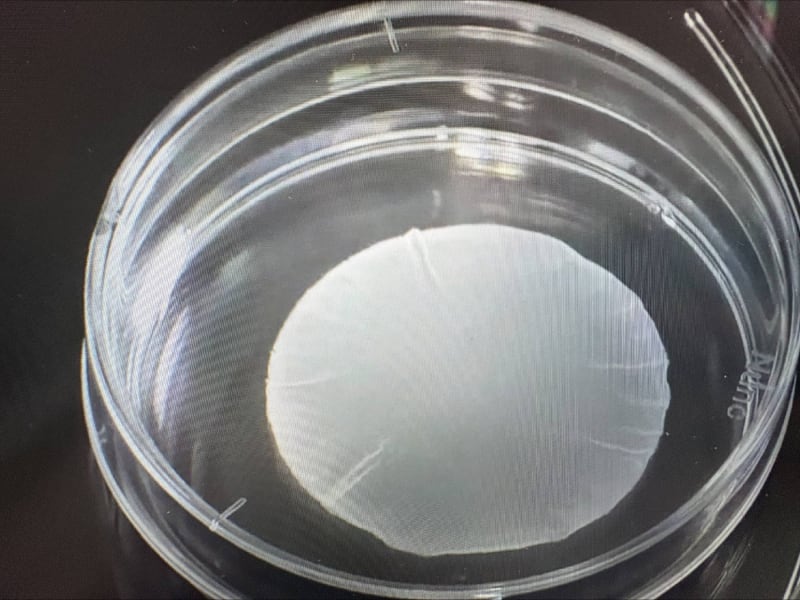
The first product is a tiny patch for hearts. Created by Cuorips, a startup from the University of Osaka, the patch measures about two inches across and is thinner than a sheet of paper. Doctors place it directly on damaged heart tissue, where it helps the organ heal and work better.
The second treatment tackles Parkinson's disease. Developed by Sumitomo Pharma, it involves transplanting millions of dopaminergic neurons into the brain to replace cells lost to the disease.
Both treatments went through rigorous testing. Osaka University tested the heart patches on eight patients between 2020 and 2023, confirming they were both safe and effective. The very first patient received their patch in 2020, marking a historic medical milestone.
The Parkinson's treatment showed equally promising results. Kyoto University Hospital tested it on six patients in their 50s and 60s between 2018 and 2023. After two years of observation, four patients showed real improvements in how they moved. The treatment worked especially well for younger patients with milder symptoms, and no one experienced serious side effects.
One big advantage of iPS cells is that they can be made from a patient's own cells or from donors, which means the body is less likely to reject them. The challenge has always been proving long term safety, which is why even after approval, researchers will continue collecting data for up to seven years.
Why This Inspires
This breakthrough represents years of patient hope becoming reality. Thousands of people living with heart disease and Parkinson's have been waiting for treatments that do more than manage symptoms. These products could actually help repair what's broken.
The conditional approval system shows how medical innovation can move forward carefully but not slowly. Patients get access to promising treatments sooner, while researchers continue gathering the evidence needed to prove long term benefits.
This news arrives as a bright spot for regenerative medicine worldwide. When one country successfully brings stem cell treatments to market, it paves the way for similar innovations globally. The research teams in Japan didn't just create products for their own patients. They created a roadmap that other countries can follow.
These treatments prove that the future of medicine isn't just about managing disease but actually healing it.
More Images



Based on reporting by Japan Times
This story was written by BrightWire based on verified news reports.
Spread the positivity!
Share this good news with someone who needs it