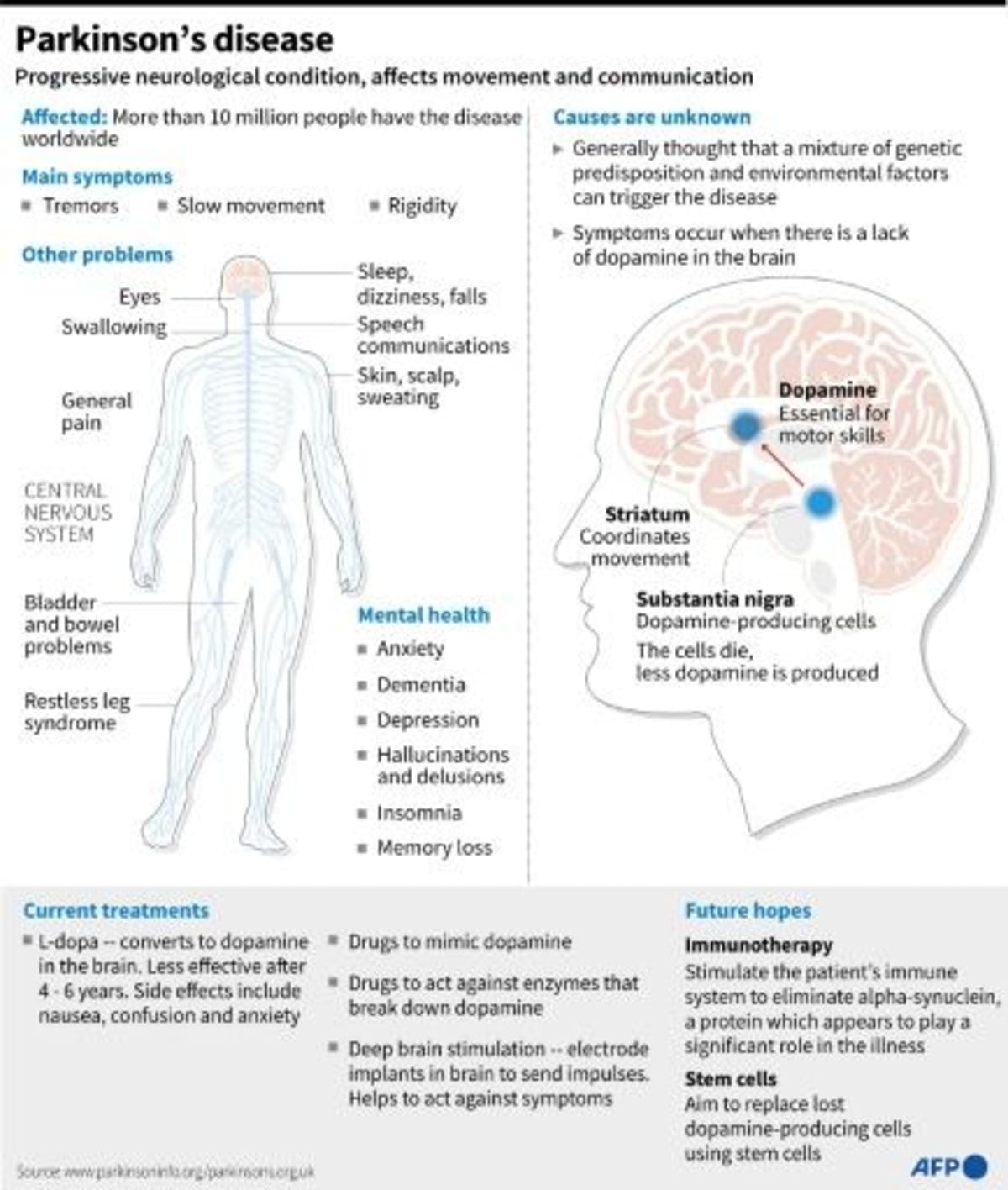
Japan Approves World's First Stem Cell Parkinson's Drug
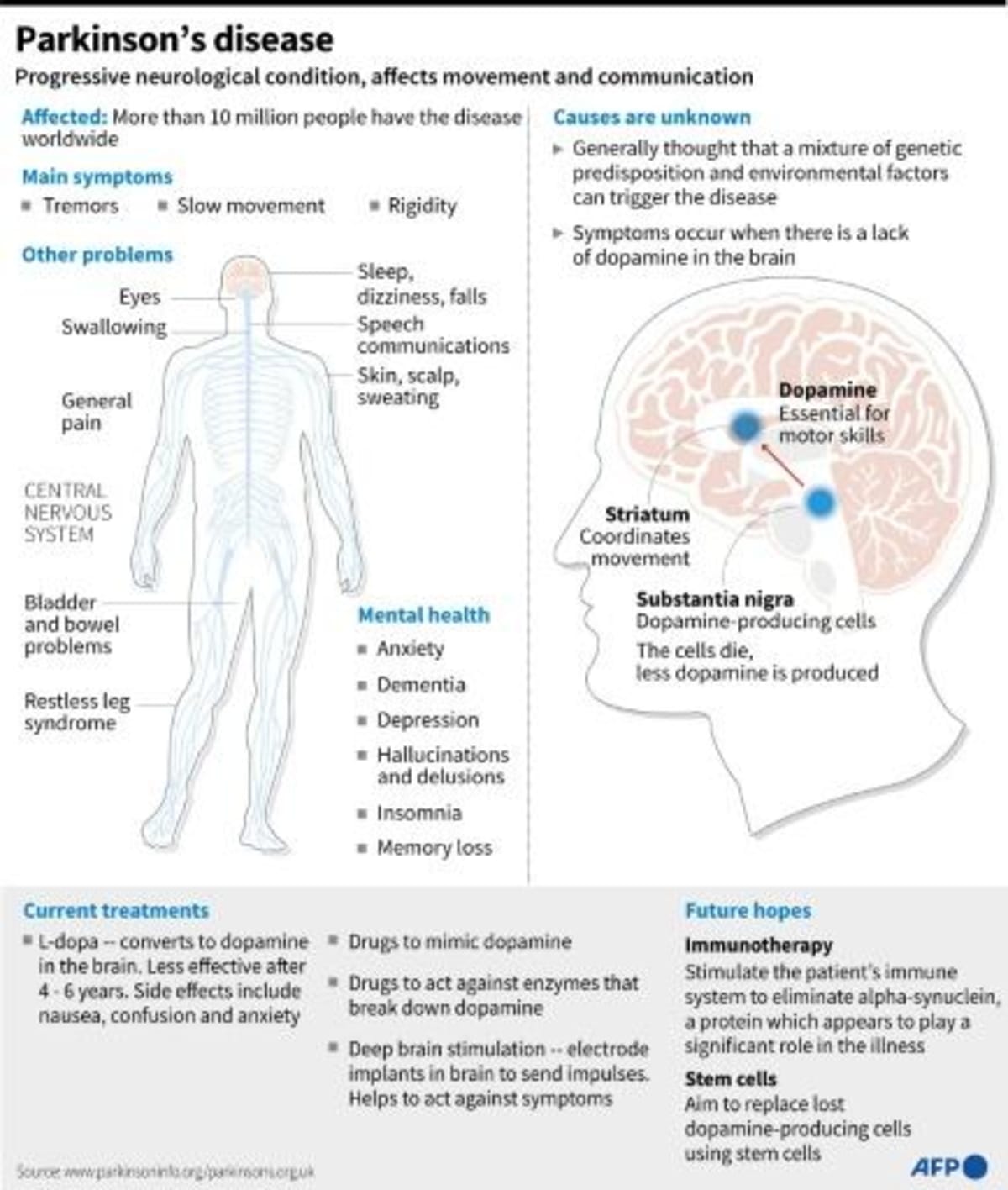
Japan just greenlit the world's first commercially available stem cell treatment for Parkinson's disease, potentially reaching patients this summer. The breakthrough could bring hope to 10 million people worldwide living with the degenerative disorder.
For the first time in history, a stem cell treatment for Parkinson's disease has cleared regulatory approval and could be in patients' hands within months.
Japan's health ministry approved Amchepry, a groundbreaking therapy that transplants stem cells directly into the brain to replace the dopamine-producing cells that Parkinson's destroys. Pharmaceutical company Sumitomo Pharma received the green light in early March, making this the world's first commercially available treatment using induced pluripotent stem (iPS) cells.
The same day, regulators also approved ReHeart, a stem cell therapy for severe heart failure that helps grow new blood vessels and restore heart function. Both treatments represent a massive leap forward in regenerative medicine.
The Parkinson's treatment builds on research that won Japanese scientist Shinya Yamanaka the 2012 Nobel Prize. He discovered how to transform mature adult cells back into a juvenile state, creating cells that can develop into any tissue in the body without needing embryos.
Here's how it works: researchers take iPS cells from healthy donors and develop them into the precursors of dopamine-producing brain cells. Surgeons then implant these cells into both sides of the patient's brain, where they can potentially restore lost function.
A Kyoto University trial tested the treatment on seven Parkinson's patients between ages 50 and 69. Each received between five and 10 million cells implanted in their brains, and researchers monitored them for two years.
The results were promising. Four of the seven patients showed clear improvements in their symptoms, and no major adverse effects appeared during the entire monitoring period. The treatment earned conditional approval based on this safety and efficacy data, even though the trial involved fewer patients than typical drug trials.
Why This Inspires
About 10 million people worldwide live with Parkinson's disease, a chronic disorder that progressively damages the nervous system and causes tremors, stiffness, and difficulty with movement. Current treatments can ease symptoms but can't slow or stop the disease itself.
This approval changes that equation. For the first time, patients have access to a therapy that doesn't just mask symptoms but actually replaces the cells their bodies have lost.
Health Minister Kenichiro Ueno captured the moment perfectly at a press conference: "I hope this will bring relief to patients not only in Japan but around the world." His ministry committed to carrying out all necessary procedures to ensure the treatment reaches patients without delay.
The approval uses a fast-track system designed to get innovative therapies to patients as quickly as possible while still ensuring safety. It's a model that could accelerate other breakthrough treatments currently stuck in development pipelines.
Beyond Parkinson's and heart failure, researchers are optimistic that iPS cell therapy could eventually help restore function in damaged kidneys, livers, pancreases, and other organs. Cell therapy experts predict major benefits could arrive within the next few years.
After decades of research and cautious optimism, stem cell medicine is finally delivering on its promise to transform lives.
More Images


Based on reporting by Japan Today
This story was written by BrightWire based on verified news reports.
Spread the positivity!
Share this good news with someone who needs it