Japan Approves World's First Viral Esophageal Cancer Drug
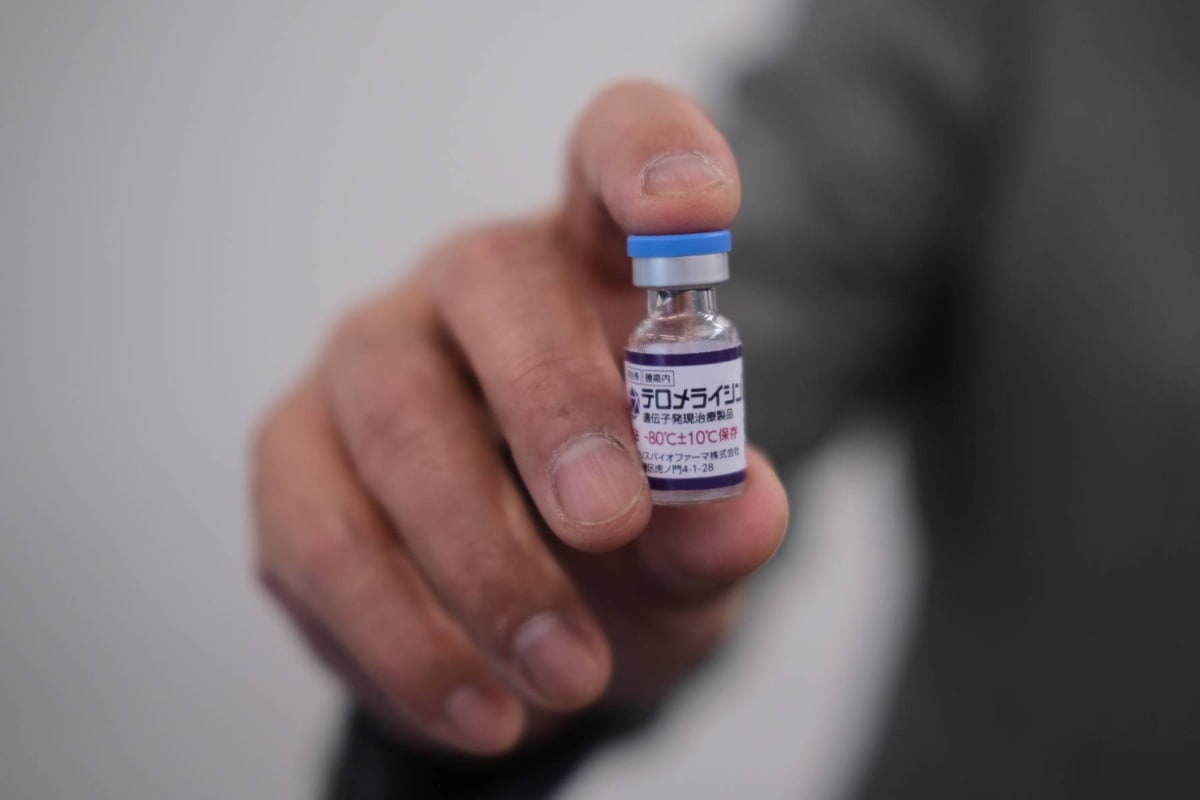
Japan just approved Telomelysin, the world's first virus-based treatment for esophageal cancer that uses modified cold viruses to attack tumors without the harsh side effects of chemotherapy. This breakthrough offers hope to elderly patients who can't undergo surgery or conventional treatment.
After decades of research, cancer patients in Japan now have access to a groundbreaking treatment that fights tumors without the brutal side effects of chemotherapy or invasive surgery.
Japan's health ministry approved Telomelysin on June 8, marking a historic first in cancer treatment worldwide. The drug uses genetically modified adenoviruses (the same family that causes common colds) to target and destroy esophageal cancer cells while leaving healthy tissue untouched.
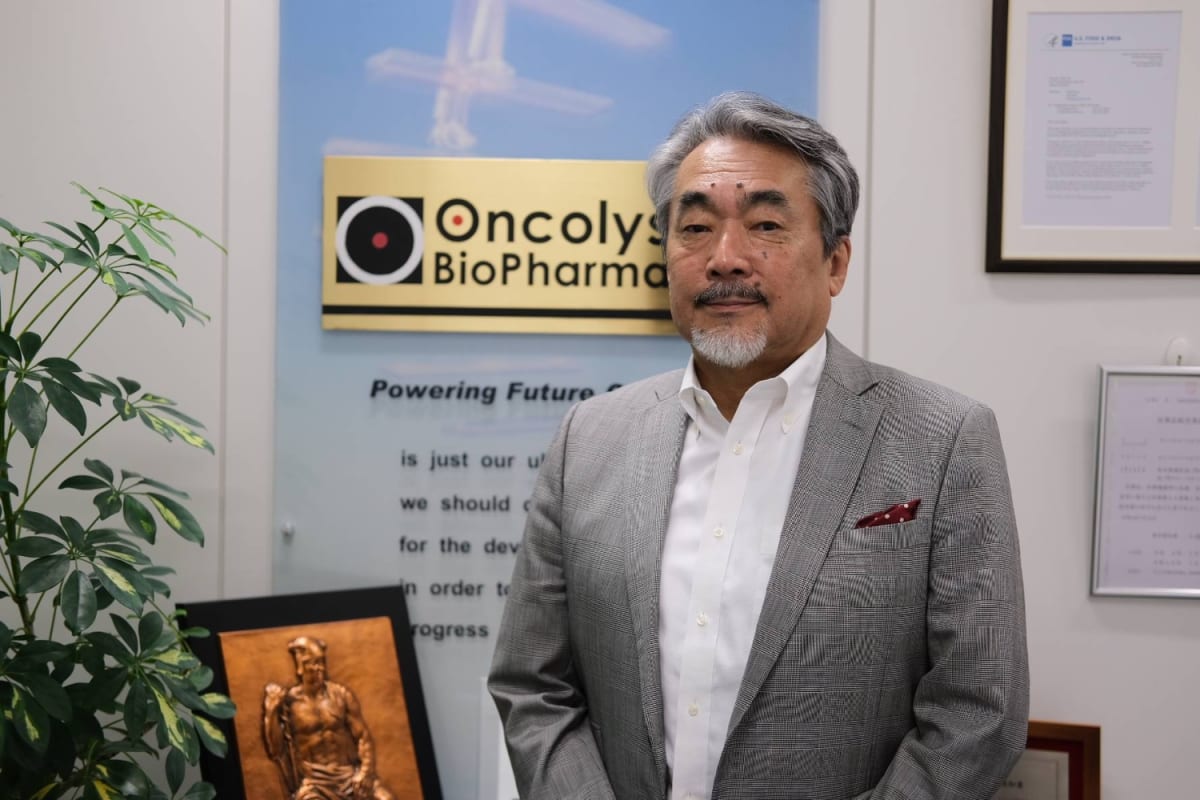
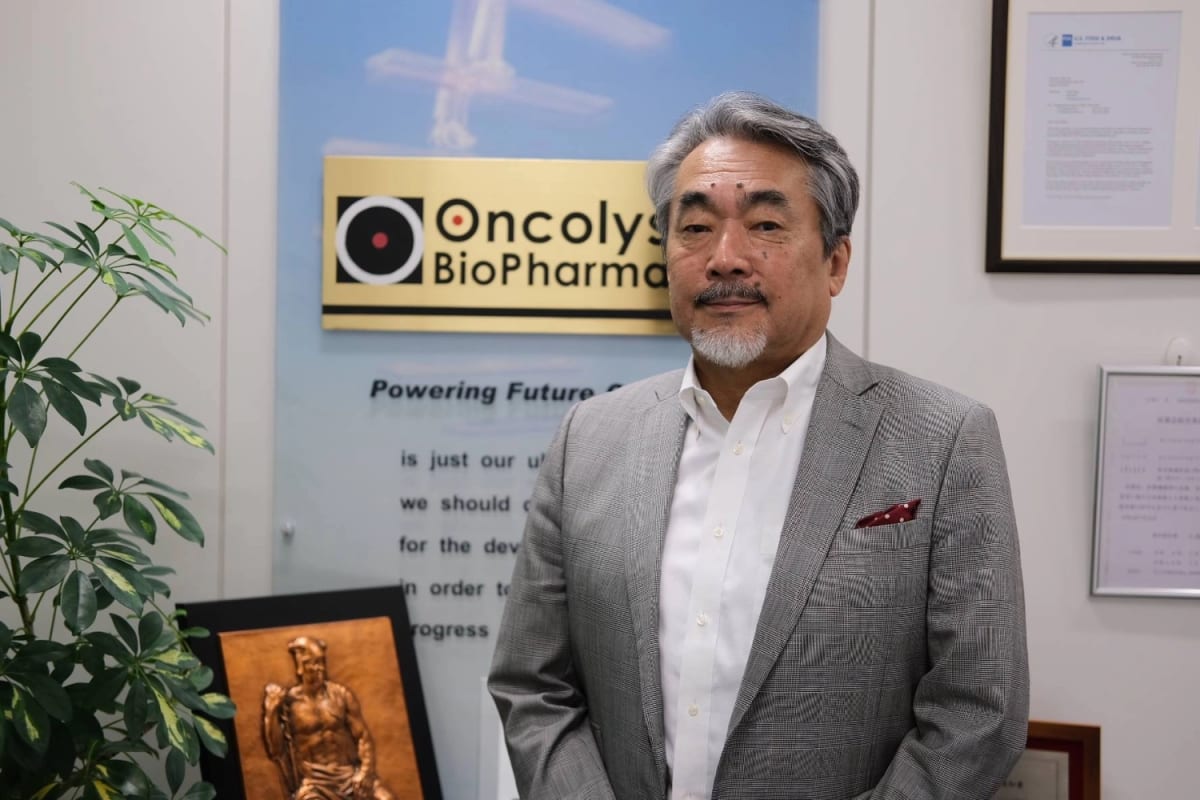
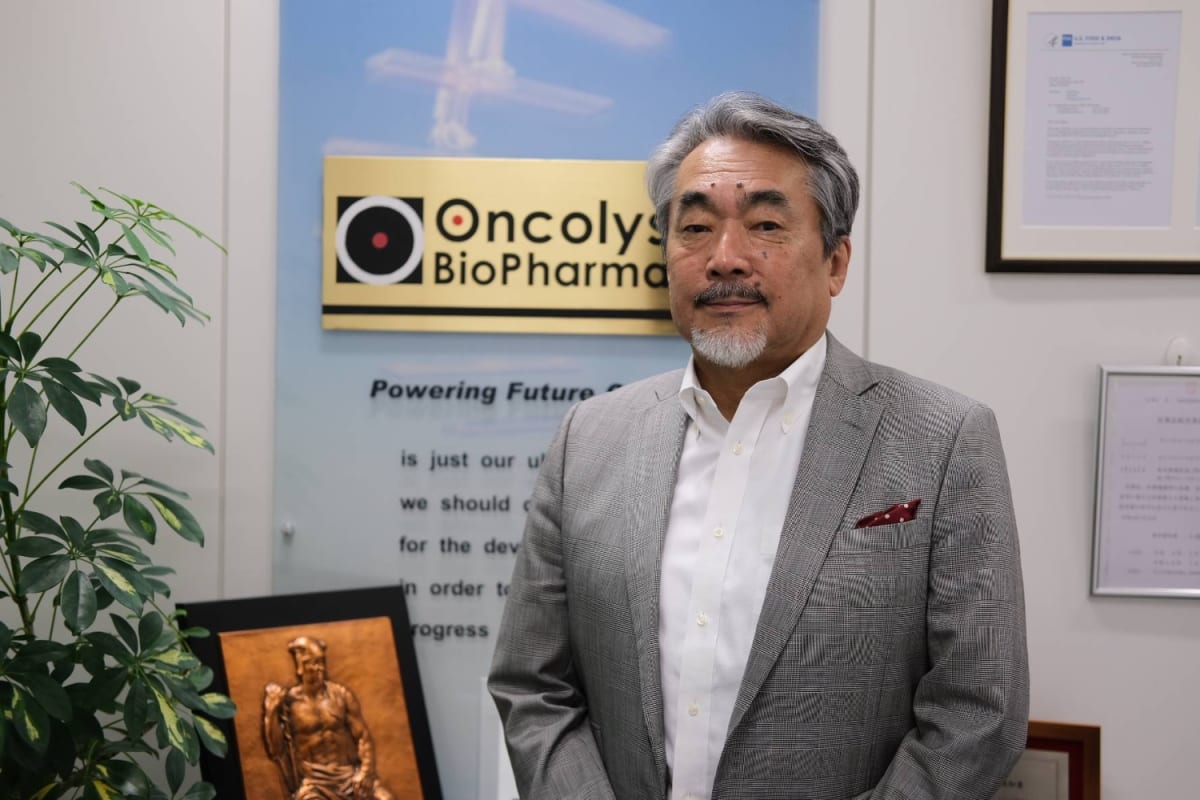
For 70-year-old Yasuo Urata, president of Oncolys BioPharma, this approval represents the fulfillment of a bold vision. "Anticancer drugs are essentially poison," Urata said. "I wanted to put an end to a world where the body and cancer are both fighting to survive."
Traditional esophageal cancer treatment can be devastating. Surgery takes eight to 10 hours, with 40% of patients experiencing serious complications during painful recoveries. Chemotherapy brings its own challenges including vomiting and hair loss, while many elderly patients simply can't withstand either option due to age or poor organ function.
Telomelysin offers a gentler path forward. Doctors inject the modified virus directly into tumors through an endoscope once every two weeks during a six-week outpatient course alongside radiation. The worst side effect reported is a low-grade fever.
The results speak for themselves. In clinical trials with 36 patients, combining Telomelysin with radiation eliminated cancer completely in about half the participants after 18 months. That's significantly better than radiation alone.
Urata's journey to this breakthrough wasn't easy. He co-founded Oncolys BioPharma in 2004 after his previous employer halted cancer drug development. The company nearly collapsed during the 2008 financial crisis, with investors demanding weekly that he shut it down. "But I kept saying no," Urata recalled.
The Ripple Effect
While only about 2,500 Japanese patients per year will initially qualify for Telomelysin, the drug's approval opens doors for thousands more. Oncolys BioPharma plans to expand treatment to other digestive tract cancers and reproductive cancers, where current treatments often force patients to lose critical abilities like speaking or having children.
The drug will launch this summer at 80 medical institutions, with plans to expand to 300 facilities. Even more significantly, Telomelysin proves that viral cancer therapy works, potentially paving the way for similar treatments targeting different cancer types.
Urata remains focused on patients that major pharmaceutical companies often overlook. "There are still many cancers where needs are not being met," he said, noting that profit-driven companies frequently ignore smaller patient populations.
The future he envisions prioritizes preserving organs and quality of life over aggressive interventions that leave patients fundamentally changed.
More Images

Based on reporting by Japan Times
This story was written by BrightWire based on verified news reports.
Spread the positivity!
Share this good news with someone who needs it