Japan Backs Rooftop Solar, Ends Big-Plant Subsidies in 2027
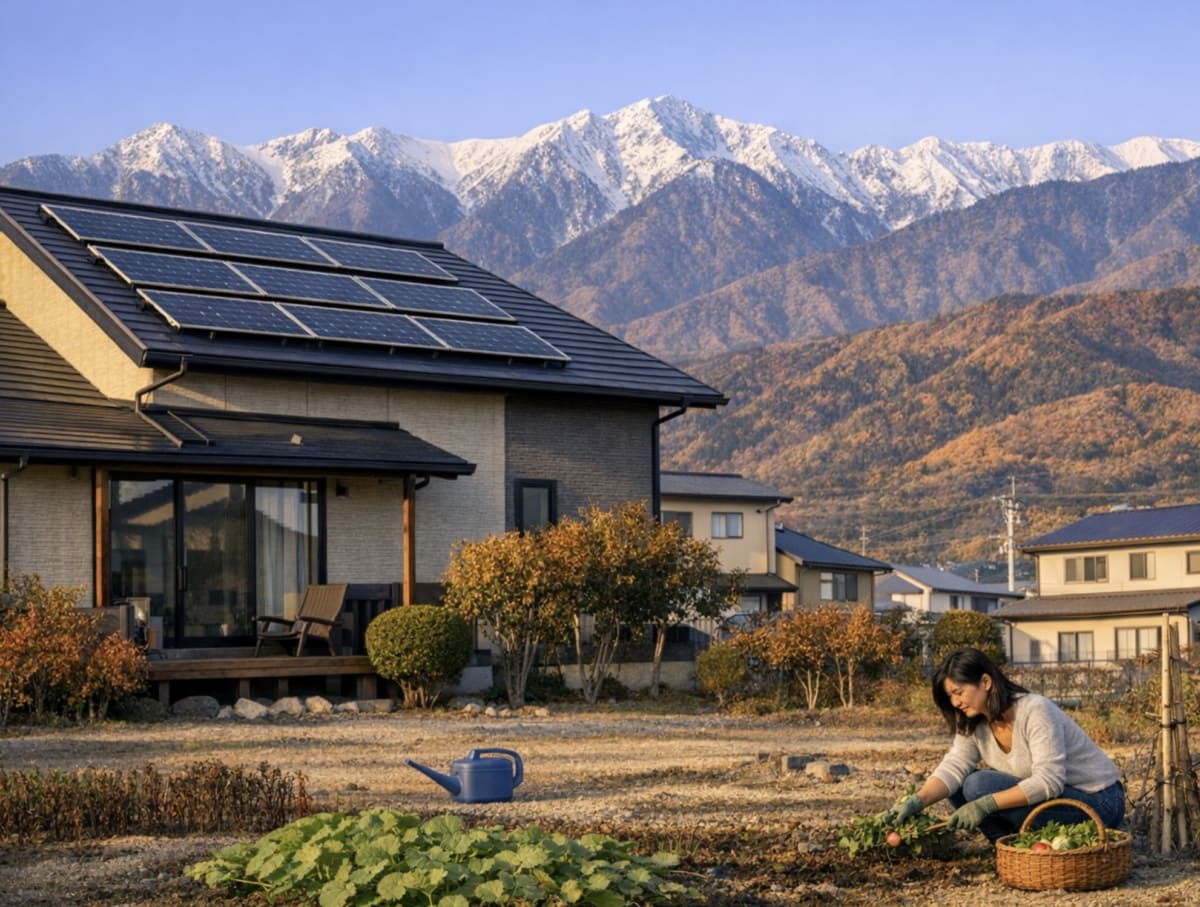
Japan is doubling down on homegrown clean energy by making rooftop solar more affordable for homeowners and businesses while phasing out support for massive solar farms. It's a strategic shift toward putting renewable power where people live and work.
Japan just announced a major change in how it supports solar energy, and it could reshape the country's clean energy landscape for decades to come.
The Japanese government will continue generous financial support for homeowners and businesses installing rooftop solar panels while ending subsidies for large utility-scale solar farms after September 2026. The Ministry of Economy, Trade and Industry revealed the new policy this week, marking a clear pivot toward smaller, distributed solar power.
For homeowners installing residential solar systems under 10 kilowatts, the government will pay 24 yen per kilowatt-hour for the first four years, then 8.3 yen for years five through ten. That initial rate translates to about 16 cents per kilowatt-hour at current exchange rates, making rooftop panels significantly more attractive for Japanese families.
Businesses installing rooftop solar get even longer support: 19 yen per kilowatt-hour for five years, then 8.3 yen for the next 15 years. Small ground-mounted systems between 10 and 50 kilowatts will receive 9.6 yen per kilowatt-hour through September 2026, but then all ground-mounted systems lose support entirely.
Large solar farms above 250 kilowatts face the biggest change. They can compete in four final auction rounds through September 2026 with a maximum price of 9.6 yen per kilowatt-hour, but after that, the program shuts down completely.
Japan's most recent auction in early 2026 awarded contracts to 11 projects totaling 79 megawatts at an average price of just 4.61 yen per kilowatt-hour, well below the 8.68 yen ceiling. Those low prices suggest solar has become competitive on its own, making government support less critical for big projects.
The Ripple Effect
This policy shift reflects a maturing solar market where rooftop installations deliver benefits beyond just clean electricity. Distributed solar reduces strain on transmission lines, puts power generation close to where it's used, and gives households more energy independence during natural disasters.
Japanese households already contribute to renewable energy through a monthly levy on their electricity bills. A typical family using 400 kilowatt-hours monthly will pay about 1,672 yen (roughly $11) per month in 2026 to fund these solar programs, virtually unchanged from 2025.
By focusing support where it makes the biggest difference for everyday people, Japan is betting that millions of rooftops will power its clean energy future better than a few massive solar farms ever could.
More Images
Based on reporting by PV Magazine
This story was written by BrightWire based on verified news reports.
Spread the positivity!
Share this good news with someone who needs it