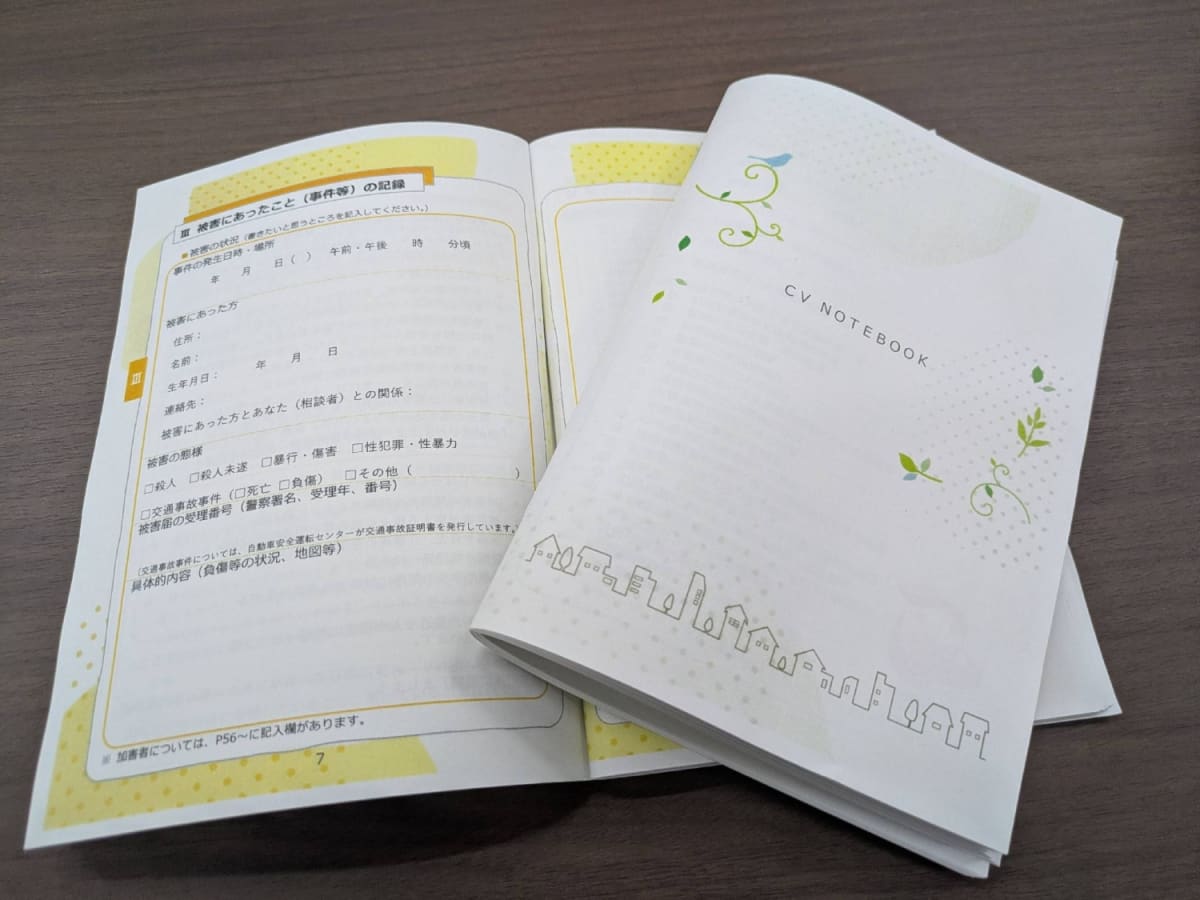
Japan Creates Handbook So Crime Victims Tell Story Once
Japan's National Police Agency just launched a handbook that stops crime victims from having to retell their traumatic experiences over and over. By March, every prefecture will distribute these guides filled with local support resources.
Crime victims in Japan won't have to relive their trauma repeatedly thanks to a compassionate new handbook launched this week.
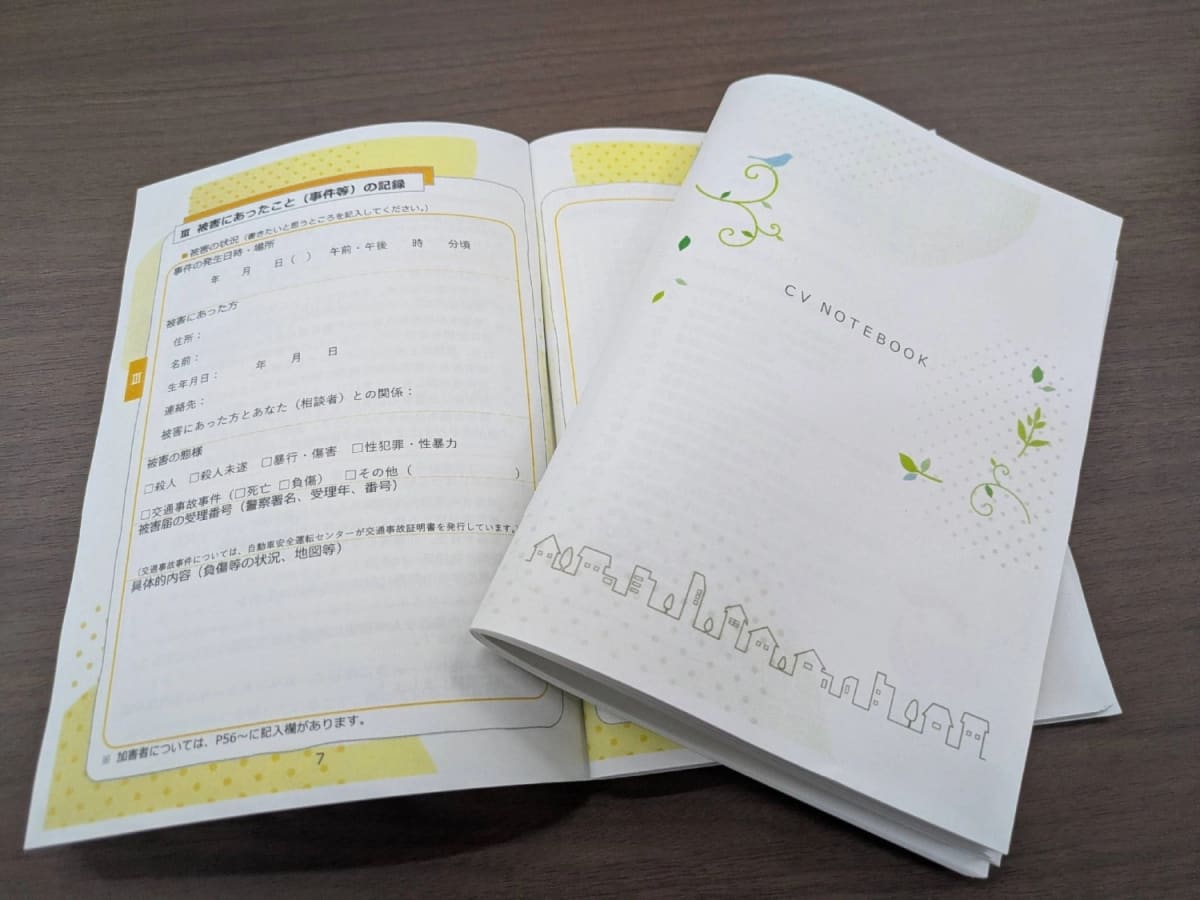
The National Police Agency unveiled a model handbook on Thursday designed to ease the emotional burden on people who've experienced crimes. Instead of forcing victims to recount painful details multiple times to different agencies, the handbook provides all the information and resources they need in one place.
Police departments across Japan's prefectures are now preparing customized versions that reflect their local support services. Distribution will begin rolling out by the end of March next year, ensuring victims nationwide have access to this crucial resource.
The initiative stems from a simple but profound realization. Every time victims must retell what happened to them, they're forced to relive the trauma. The handbook eliminates unnecessary repetition while connecting people to the help they need when they need it most.
Each regional version will include support measures specific to local governments, from counseling services to legal assistance. This localization ensures victims get relevant, actionable information rather than generic guidance that doesn't apply to their situation.
Why This Inspires
This handbook represents something bigger than paperwork. It shows a justice system recognizing that healing matters just as much as prosecution.
Japan included this initiative in its fifth basic plan for supporting crime victims and their families, adopted at a Cabinet meeting last month. That governmental commitment signals a nationwide shift toward treating victims with the dignity and compassion they deserve during an already difficult time.
The approach acknowledges a truth often overlooked in criminal justice: the process of seeking help shouldn't compound the original harm. By putting comprehensive information in victims' hands upfront, authorities are showing they understand that respect and efficiency can coexist.
When systems listen to the people they serve and adapt accordingly, everyone benefits.
More Images

Based on reporting by Japan Times
This story was written by BrightWire based on verified news reports.
Spread the positivity!
Share this good news with someone who needs it