Japan Creates Melons That Ripen On Demand
Japanese scientists have gene-edited muskmelons to stay fresh for two months, solving a major export problem. The melons can be ripened whenever needed by simply exposing them to ethylene gas.
Imagine biting into a perfectly ripe melon that was harvested two months ago, as fresh as if it was picked yesterday. That's the reality Japanese researchers just made possible.
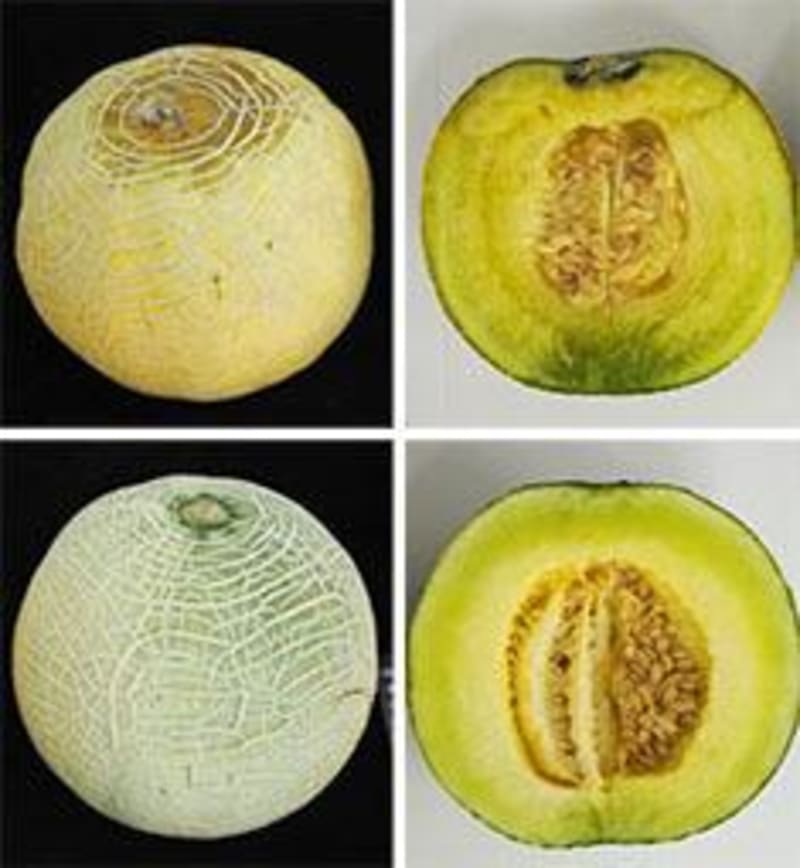
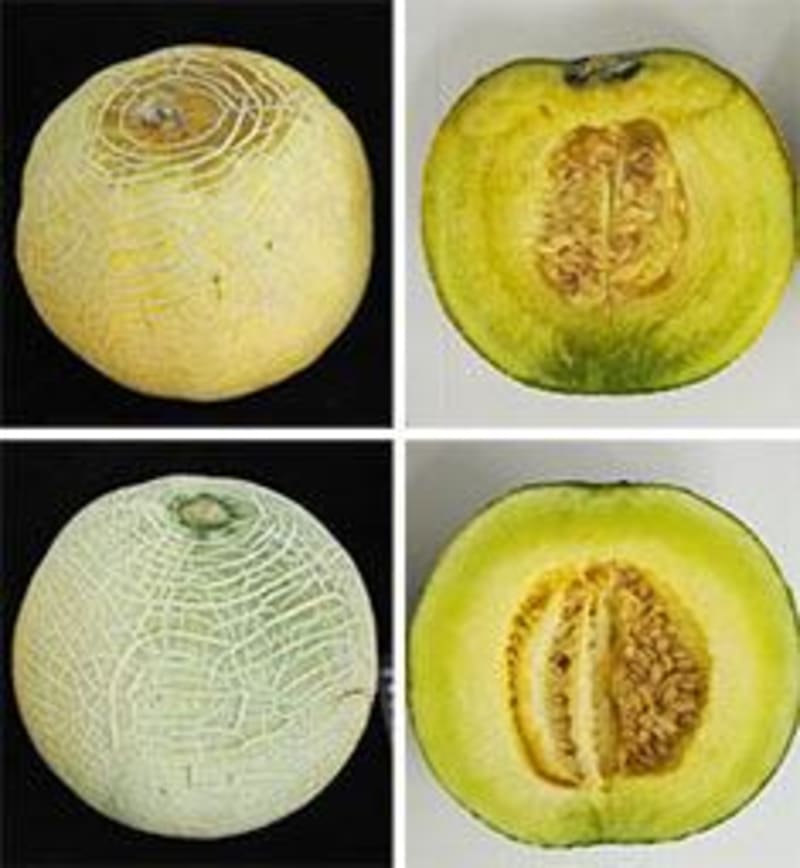
The National Agriculture and Food Research Organization and the University of Tsukuba developed a muskmelon that stays firm and green for up to 60 days after harvest. By switching off a single gene that produces ethylene, the plant hormone responsible for ripening, they've cracked the code on extending shelf life without sacrificing quality.
Here's the clever part: producers can ship these melons overseas while they're still unripe, then trigger ripening closer to consumers by exposing the fruit to ethylene gas. It's the same technique already used for bananas, now applied to Japan's premium melons.
The timing couldn't be better. Japanese melon exports have tripled over the past decade, jumping from 309 tons in 2015 to 1,089 tons in 2025. Hong Kong and Singapore are major fans, and the United States and Australia recently joined the party.
But current muskmelons have a critical flaw. They ripen so quickly after harvest that they often spoil during ocean transport, limiting how far Japanese growers can reach. That short shelf life has kept these prized fruits from reaching their full market potential.
The Ripple Effect
This breakthrough does more than boost exports. Grocery stores will find inventory management easier when melons don't race against the clock. Restaurants can order with confidence, knowing their fruit won't spoil before service.
The environmental win matters too. Longer shelf life means less food waste at every step of the supply chain, from farm to table. Melons that would have rotted in transit can now reach hungry customers instead of landfills.
The research team plans to register the variety with the government and bring it to market within three years. They're calling it a major step toward expanding both domestic demand and international sales.
For farmers who've poured generations of expertise into perfecting their melons, this technology opens doors that were previously locked. Their fruit can finally travel the world without losing the quality that made it special in the first place.
More Images


Based on reporting by Japan Today
This story was written by BrightWire based on verified news reports.
Spread the positivity!
Share this good news with someone who needs it