Japan Death Row Survivor's Sister Fights for Justice Reform
After her brother spent decades on death row for a crime he didn't commit, Hideko Hakamata is now shaping Japan's justice system from the inside. Her testimony before lawmakers this week marks a historic shift in how the country confronts wrongful convictions.
A woman who fought for 48 years to free her wrongfully convicted brother from death row is now helping rewrite Japan's justice system.
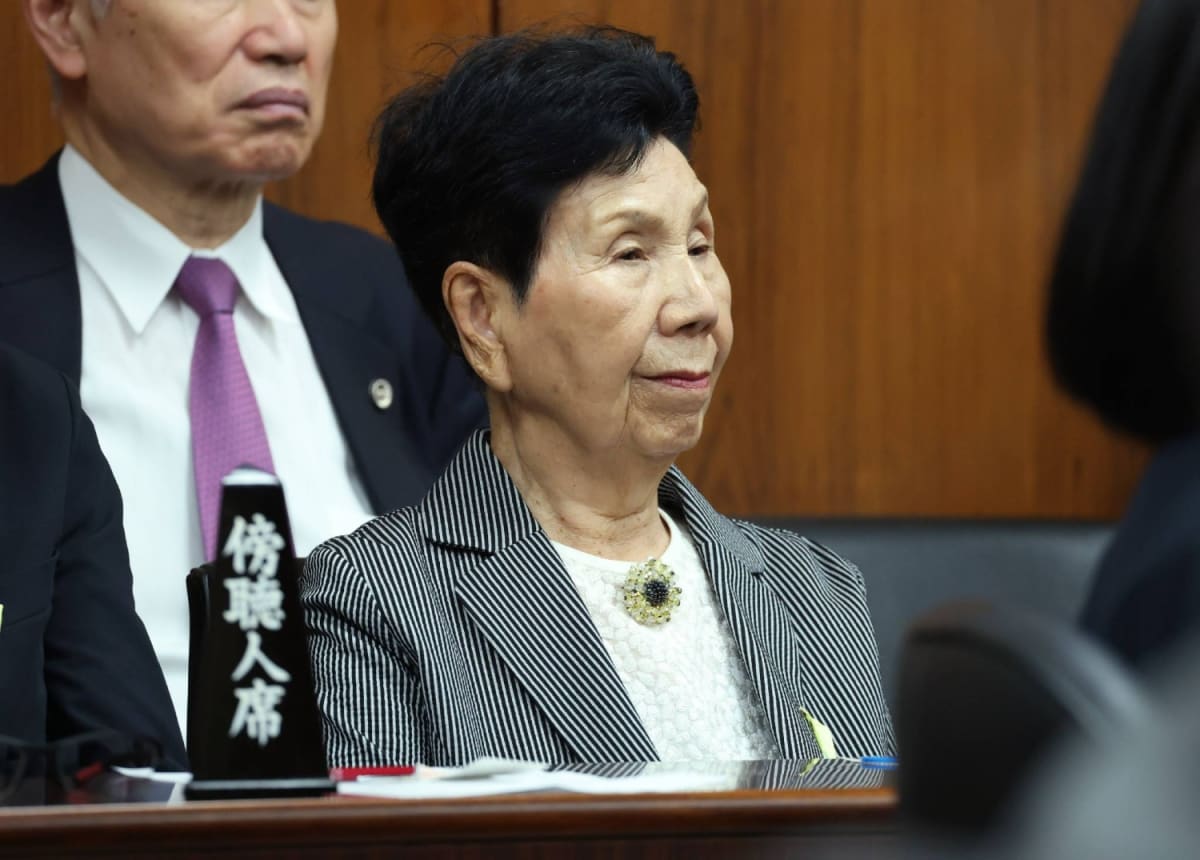
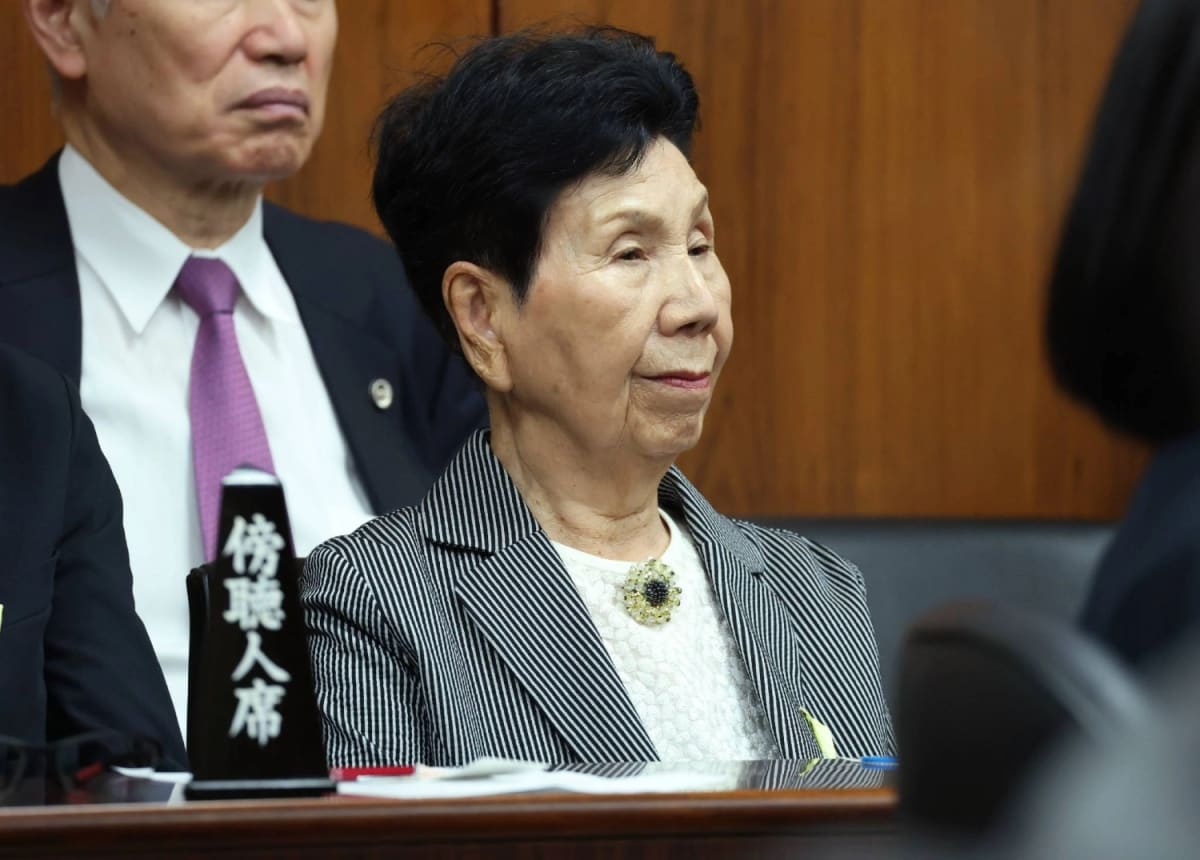
Hideko Hakamata stood before Japan's House of Representatives Judicial Affairs Committee on Tuesday, not as a desperate sister anymore, but as an expert witness on criminal justice reform. Her brother Iwao Hakamata, once condemned to die for a crime he didn't commit, was finally exonerated after nearly five decades behind bars.
Now she's using that painful victory to push for changes that could help future families avoid her nightmare. "I want prosecutors to present all the good and bad evidence," she told lawmakers reviewing the country's retrial system.
Her testimony came during discussions about reforming Japan's Criminal Procedure Code. The fact that she was summoned at all signals a remarkable shift in a justice system that has historically resisted admitting mistakes.
Iwao Hakamata's case became one of the world's longest wrongful convictions. He spent decades in solitary confinement, never knowing when his execution might come, for murders he didn't commit. His sister never stopped fighting, eventually helping uncover evidence that proved his innocence.
Why This Inspires
Hideko Hakamata could have walked away after winning her brother's freedom. Instead, she's channeling decades of frustration into systemic change. Her presence in Japan's legislature represents something powerful: survivors of injustice becoming architects of reform.
The committee invited her specifically because her experience exposed critical flaws in how evidence gets handled during retrials. Japanese lawmakers are now grappling with questions about transparency and fairness that families like the Hakamatas have raised for generations.
Her advocacy shows how personal tragedy can spark national conversation. By sharing her story with policymakers, she's helping them understand the human cost of procedural failures and the urgent need for transparency in criminal cases.
The road to reform is long, but having voices like Hideko's in the room changes everything.
More Images

Based on reporting by Japan Times
This story was written by BrightWire based on verified news reports.
Spread the positivity!
Share this good news with someone who needs it