Japan Embraces Nuclear Energy 15 Years After Fukushima
Nearly 15 years after the Fukushima disaster, Japanese political parties are shifting their stance on nuclear power as energy policy takes center stage in upcoming elections. The change signals a pragmatic approach to meeting the country's energy needs while balancing safety concerns.
Japan is turning a corner on one of its most divisive issues, as political parties reconsider nuclear energy nearly 15 years after the Fukushima disaster changed everything.
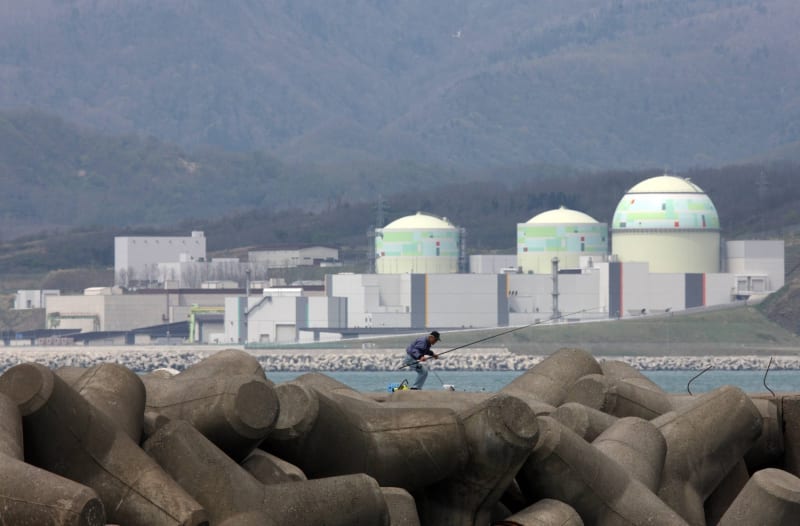
Energy policy has emerged as a major topic ahead of the February 8th election for the House of Representatives, Japan's powerful lower chamber. The shift marks a dramatic change from 2012, when most parties promised to phase out nuclear power in response to public fears following the March 2011 tsunami that devastated Tokyo Electric Power Company's Fukushima No. 1 nuclear plant.
Back then, political parties competed to show who could end nuclear energy fastest. Some pushed for immediate action while others set deadlines in the 2020s or 2030s, all responding to widespread safety concerns among Japanese citizens.
Today's conversation looks completely different. Multiple parties are now reassessing nuclear power's role in Japan's energy future, recognizing the complex balance between safety, reliability, and environmental goals.
The renewed debate comes as voters prepare to evaluate each party's energy vision. Recent concerns about safety protocols at Chubu Electric Power's Hamaoka nuclear plant in Shizuoka Prefecture, involving earthquake risk data fraud, remind citizens that careful oversight remains essential even as the country reconsiders nuclear options.
The Bright Side
This policy evolution shows how democracies can revisit difficult decisions with fresh eyes. Japan isn't ignoring the lessons of Fukushima but rather integrating them into a more nuanced energy strategy that considers climate change, energy security, and technological improvements made over the past decade and a half.
The public dialogue around nuclear energy has matured from immediate fear-based responses to thoughtful discussions about long-term sustainability. Voters now have the opportunity to weigh improved safety standards, energy independence, and carbon-free power generation against legitimate safety concerns.
Japan's willingness to have this conversation demonstrates national resilience and pragmatic problem-solving. The country faced one of history's worst nuclear accidents, learned from it, and is now carefully considering whether modern nuclear technology can play a role in a cleaner energy future.
As February 8th approaches, Japanese voters will make informed choices about their energy future, proving that even the most painful experiences can lead to thoughtful progress.
More Images
Based on reporting by Japan Times
This story was written by BrightWire based on verified news reports.
Spread the positivity!
Share this good news with someone who needs it