Japan Fossil Waited 27 Years for Scientists to Unlock Secret
A dinosaur bone sat in a Japanese museum for 27 years before scientists discovered it belonged to a surprisingly small coastal dinosaur. The find reveals ancient Fukushima hosted diverse plant-eating giants 90 million years ago.
A forgotten fossil tucked away in a Fukushima museum has rewritten what scientists know about dinosaur life on Japan's ancient coast.
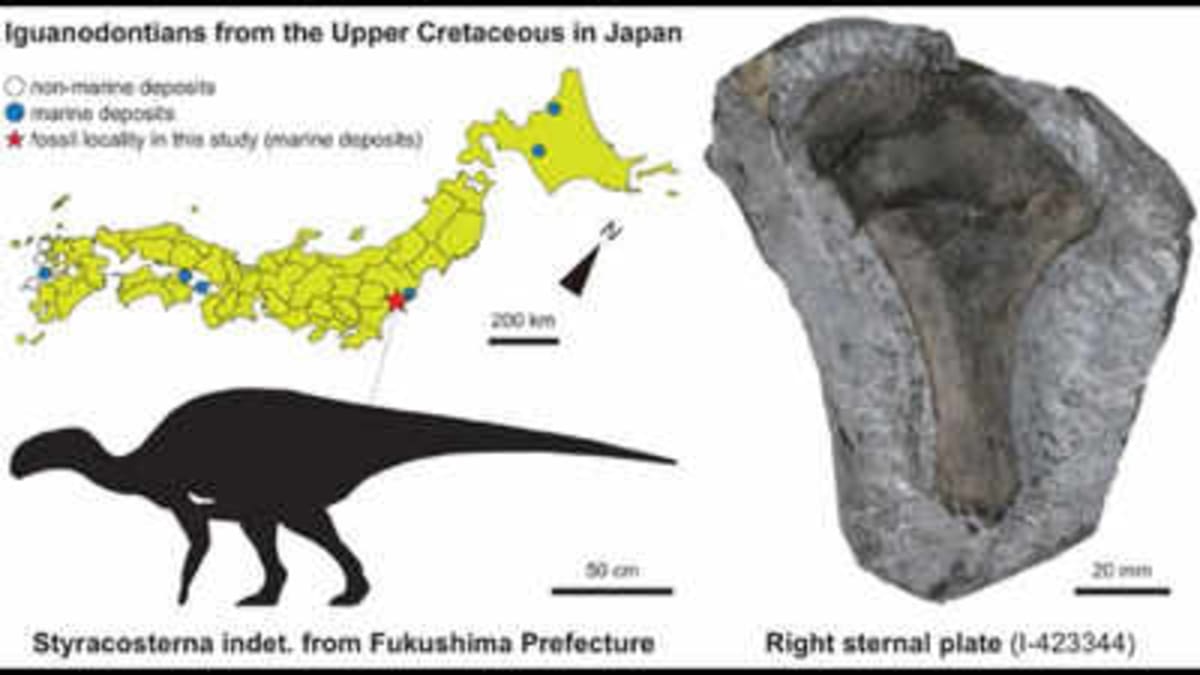
In 1999, a lone bone was discovered at the Iwaki City Ammonite Center in Fukushima Prefecture. Workers labeled it as possibly belonging to a hadrosauroid dinosaur, placed it in storage, and there it sat for more than two decades.
Fast forward to 2026. Researchers dusted off the specimen and took a closer look using modern analysis techniques. What they found surprised them: the breastbone belonged to a plant-eating iguanodontian dinosaur that stood just 3 meters long, about the size of a small car.
That might not sound impressive until you consider the other dinosaurs roaming the same coastal region 90 million years ago. Previous fossils from the same rock formation belonged to iguanodontians measuring 8 meters or more. The newly identified bone proves that dinosaurs of dramatically different sizes shared the same ecosystem.
The delay in studying the fossil isn't unusual in paleontology. Museums around the world hold thousands of specimens collected before modern methods existed. A bone that seemed ordinary decades ago can become scientifically important when researchers ask new questions.
Iguanodontians were successful plant-eaters that spread across ancient Asia, Europe, and North America during the age of dinosaurs. Some walked on two legs, others on four. Their specialized teeth and jaws helped them process tough vegetation in diverse environments from river plains to coastal wetlands.
The Fukushima fossil came from rocks deposited in shallow coastal waters during the Late Cretaceous period. The dinosaur likely lived on nearby land before its remains washed into the sea through rivers or flooding. These coastal habitats may have supported a rich mix of herbivores, predators, and marine reptiles.
Why This Inspires
This discovery shows how patience and persistence unlock secrets hiding in plain sight. The bone waited nearly three decades for someone to recognize its significance. Now it's helping scientists understand how different-sized dinosaurs coexisted along ancient coastlines.
The study also highlights how much we still don't know about prehistoric life. Fragmentary fossils scattered across Japan are slowly building a picture of ecosystems that vanished millions of years ago. Each rediscovered specimen adds another piece to the puzzle.
Today's Fukushima looks nothing like the warm coastal environment where small iguanodontians once browsed vegetation near shallow seas. But thanks to one overlooked bone, we can glimpse that lost world a little more clearly.
Sometimes the most important discoveries are already in our hands, just waiting for the right moment to reveal their stories.
More Images



Based on reporting by Google: fossil discovery
This story was written by BrightWire based on verified news reports.
Spread the positivity!
Share this good news with someone who needs it