Japan Funds Helicopter Pilot Training to Save Lives
Japan is stepping up to solve a looming crisis in emergency response by funding helicopter pilot training. With aging pilots and fewer flight opportunities, the country is ensuring the next generation can answer disaster calls.
Japan just made a big move to protect its disaster and medical response teams for decades to come.
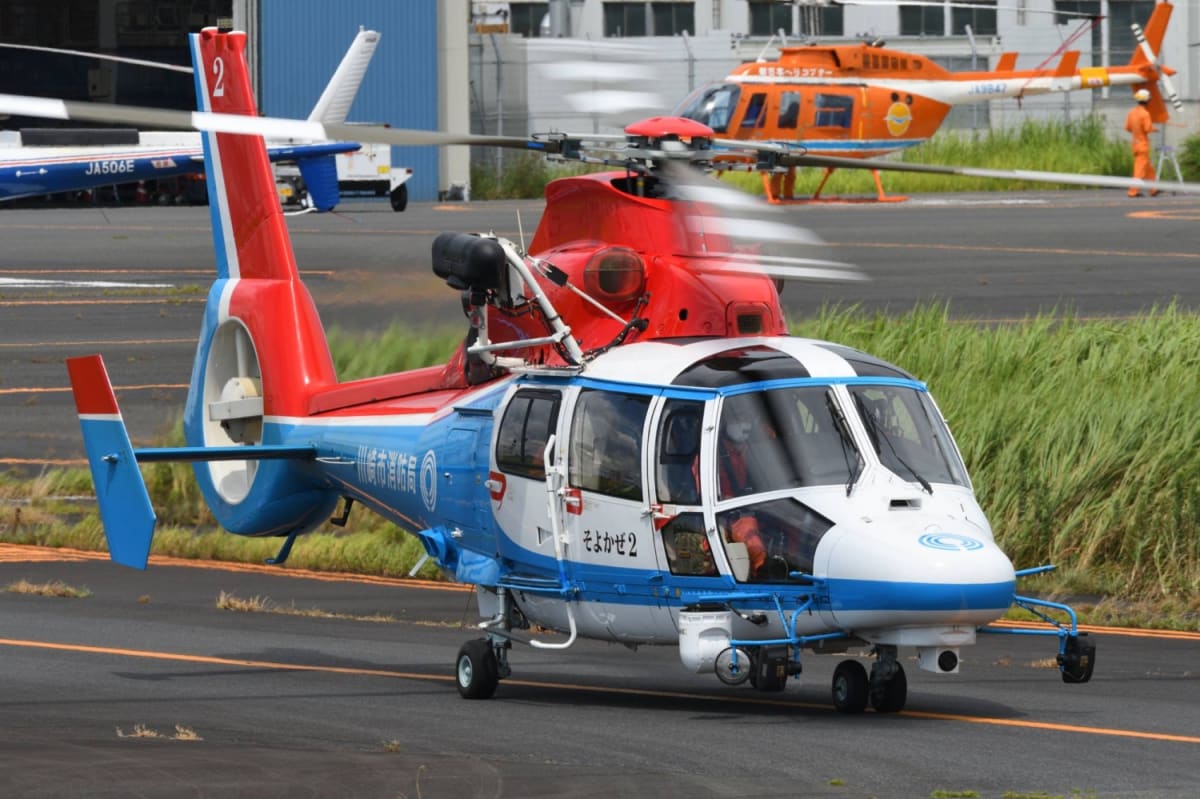
The government announced plans to financially support helicopter pilot training for firefighting, disaster relief, and emergency medical services. The decision comes as the country faces a growing shortage of qualified pilots who can rush to save lives when disasters strike.
Right now, about 65% of firefighting helicopter pilots and 71% of medical helicopter pilots are over 50 years old. By 2030, Japan could face a shortage of more than 10 pilots every year for medical helicopters alone.
The problem isn't a lack of interested young pilots. It's that training is incredibly expensive and getting harder to complete.
Becoming a captain of an emergency helicopter requires over 1,000 hours of flight experience. Private operators contracted by local governments traditionally helped young pilots rack up those hours through side jobs like pesticide spraying and aerial photography.
But drones have taken over these tasks in recent years, eliminating the training ground where pilots once learned their craft. Without those opportunities, young pilots simply can't get the experience they need.
Training flights cost about 300,000 yen per hour, roughly $2,000. That's a crushing burden for private operators already working on thin margins with local government contracts.
The Bright Side
Japan's solution tackles multiple challenges at once. The national and local governments will share training costs, removing the financial barrier that's kept young pilots grounded. Officials are also exploring whether simulator hours can count toward flight experience requirements, following successful models from other countries.
This means future pilots can train more affordably while still meeting rigorous safety standards. Private operators won't have to choose between their bottom line and preparing the next generation of emergency responders.
The move ensures that when earthquakes hit, wildfires spread, or someone needs an emergency airlift to a hospital, skilled pilots will be ready to respond. Communities across Japan, especially in rural and mountainous areas that depend on helicopter services, will have reliable emergency coverage for years to come.
Details like exact funding amounts are still being worked out, but the commitment is clear: Japan is investing in the people who fly into danger to save others.
More Images

Based on reporting by Japan Times
This story was written by BrightWire based on verified news reports.
Spread the positivity!
Share this good news with someone who needs it