Japan Invests $438M to Transform Maharashtra Healthcare
Maharashtra just secured 3,708 crore rupees (roughly $438 million) from Japan to rebuild its medical education system and give millions better access to quality healthcare. The investment will create new medical colleges, upgrade nursing programs, and equip hospitals with cutting-edge technology across the state.
Healthcare just got a massive boost in Maharashtra, where 130 million people will soon have better access to doctors, nurses, and modern medical facilities thanks to a historic partnership with Japan.
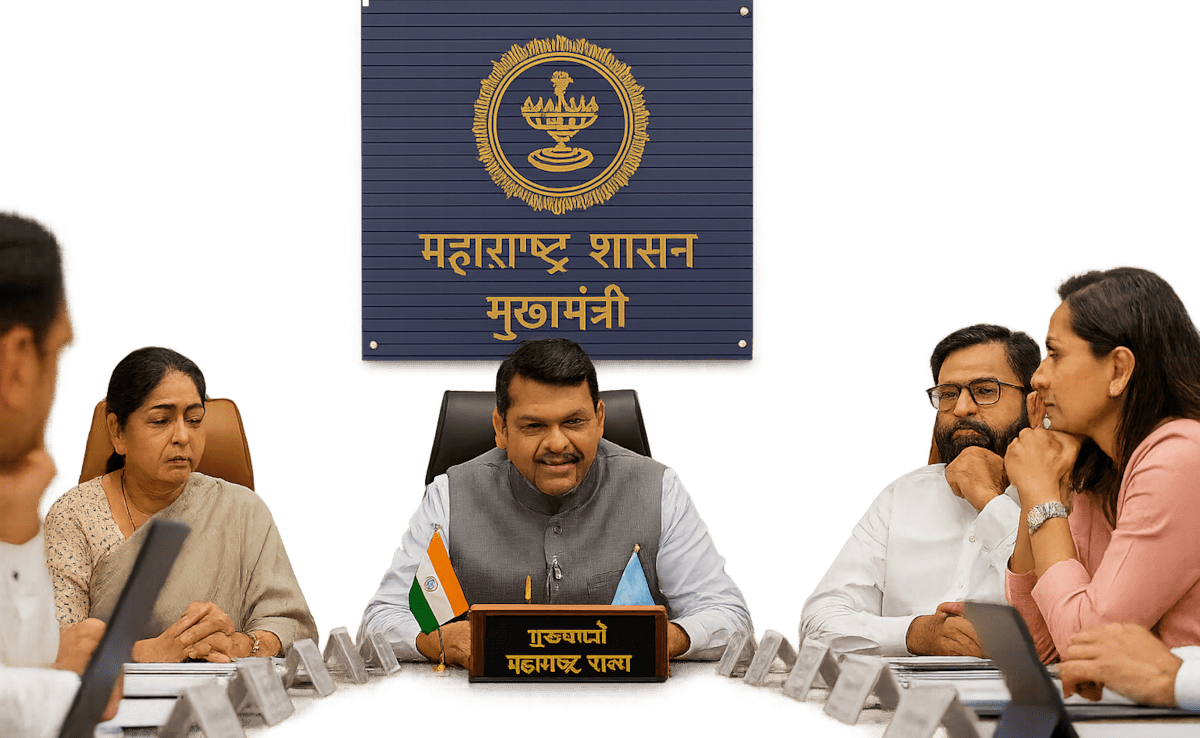
The Maharashtra cabinet approved a transformative project this week that will use 3,708 crore rupees from the Japan International Cooperation Agency to strengthen the state's entire medical system. The funding targets three critical areas: medical education, nursing training, and hospital infrastructure.
The investment will develop new government medical colleges in Wardha, Palghar, Ratnagiri, and Ahilyanagar, bringing quality medical education to underserved regions. Students in these areas won't need to travel to major cities or pay private college fees to pursue their dream of becoming doctors.
Nursing education is getting equal attention. Nine existing nursing colleges will receive major upgrades, including facilities at GT Hospital and St George's in Mumbai, plus colleges in Dhule, Solapur, Ambajogai, Akola, Nagpur, Ratnagiri, Palghar, and Dharashiv. Three brand new nursing colleges will open in Baramati, Sangli, and Kolhapur.
Hospitals across twelve districts will receive advanced medical equipment, ensuring patients in smaller cities get the same quality care available in Mumbai. The Indo-Japan Academic Exchange Programme will train hospital administrators and healthcare managers, building long-term expertise.
The Ripple Effect
This investment addresses a crisis felt across India: the shortage of trained healthcare workers and modern facilities outside major metros. By creating medical and nursing colleges in smaller cities, Maharashtra is building a pipeline of local healthcare professionals who understand their communities' needs.
The timing matters tremendously. India needs an estimated one million more doctors and two million more nurses to meet WHO-recommended patient-to-provider ratios. Maharashtra's investment in education infrastructure means thousands more healthcare workers will graduate each year, serving not just their state but potentially the entire country.
The partnership model itself offers hope. Japan's support shows how international cooperation can address healthcare gaps without creating dependency. The focus on education and training builds permanent capacity rather than temporary fixes.
For families in rural Maharashtra who currently travel hours for specialist care or quality treatment, this project promises something invaluable: access to affordable, modern healthcare close to home.
More Images



Based on reporting by Google: cooperation international
This story was written by BrightWire based on verified news reports.
Spread the positivity!
Share this good news with someone who needs it