
Japan Launches Mission to Solve Mars Moon Mystery
Japan just launched a groundbreaking mission to bring back samples from Mars' mysterious moon Phobos, potentially unlocking secrets about how life began. In five years, we could finally understand where the Red Planet's two tiny moons came from.
Japan's space agency just launched a spacecraft on a five-year journey to solve one of our solar system's biggest mysteries: where did Mars' two small moons come from?
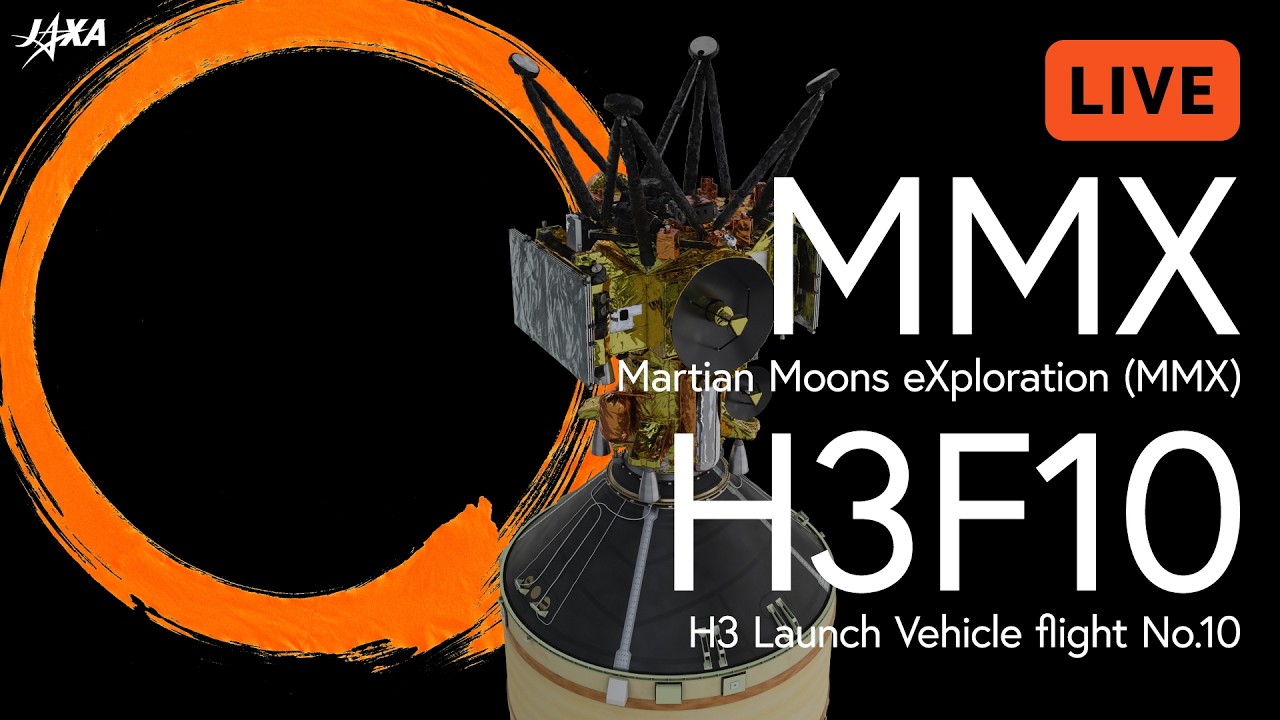
The Martian Moons eXploration probe lifted off from southern Japan in October, heading toward Phobos and Deimos, the Red Planet's potato-shaped companions. Scientists have debated their origin for decades, and this mission could finally provide answers.
Two main theories explain how these moons formed. Either a massive impact blasted Martian material into space that clumped together, similar to how Earth's moon formed, or they're asteroids that wandered too close and got trapped in Mars' gravity.
The answer matters more than you might think. If Phobos formed from ancient Mars debris, it could contain material from when the Red Planet was wetter and more hospitable to life. If it's a captured asteroid, it might have delivered water and organic materials that helped spark life on Earth.
The spacecraft will reach Mars next August and orbit Phobos before touching down twice in different locations. Two special tools will collect samples: one works like a space vacuum cleaner, using nitrogen gas bursts to loosen and capture surface dust, while the other drills a few inches deep for core samples.
The mission will bring back just 0.35 ounces of material, but that's plenty for scientists to work with. Researchers can study individual grains to unlock their secrets, making every gram precious.
Why This Inspires
This mission represents a massive collaboration between space agencies across Japan, the United States, Europe, France, Germany, and Australia. Countries working together to expand human knowledge shows what's possible when we unite around curiosity and discovery.
The samples might even contain traces of Mars itself. Scientists believe asteroid impacts on Mars have sprayed Phobos with Red Planet dust over millions of years, meaning about 1 percent of what returns could be actual Martian material.
That tiny fraction could carry evidence of extraterrestrial life. "I do think there's a possibility that chemical traces of biological activity might be contained within that sand sample," says planetary scientist Kiyoshi Kuramoto.
If successful, this will be the first mission ever to return samples from a Martian moon and potentially complete the first round trip from the Martian system. The two moons have been called "the most important unclimbed mountains in the solar system" because despite their significance, they've never been fully explored.
In five years, some of the universe's oldest questions about our neighboring planet could finally have answers.
More Images



Based on reporting by Smithsonian
This story was written by BrightWire based on verified news reports.
Play Today’s BrightWire Positive Mini Crossword & Word Game
Keep your mind sharp with our free 5-minute uplifting daily crossword and positivity word puzzle.
Spread the positivity!
Share this good news with someone who needs it


