Japan Retrieves Rare Earth Metals from 20,000 Feet Deep
Japan just made history by collecting rare earth minerals from 6,000 meters below the ocean surface, a world first that could reshape global supply chains. The breakthrough could give Japan 700+ years of critical materials for phones, electric cars, and green technology.
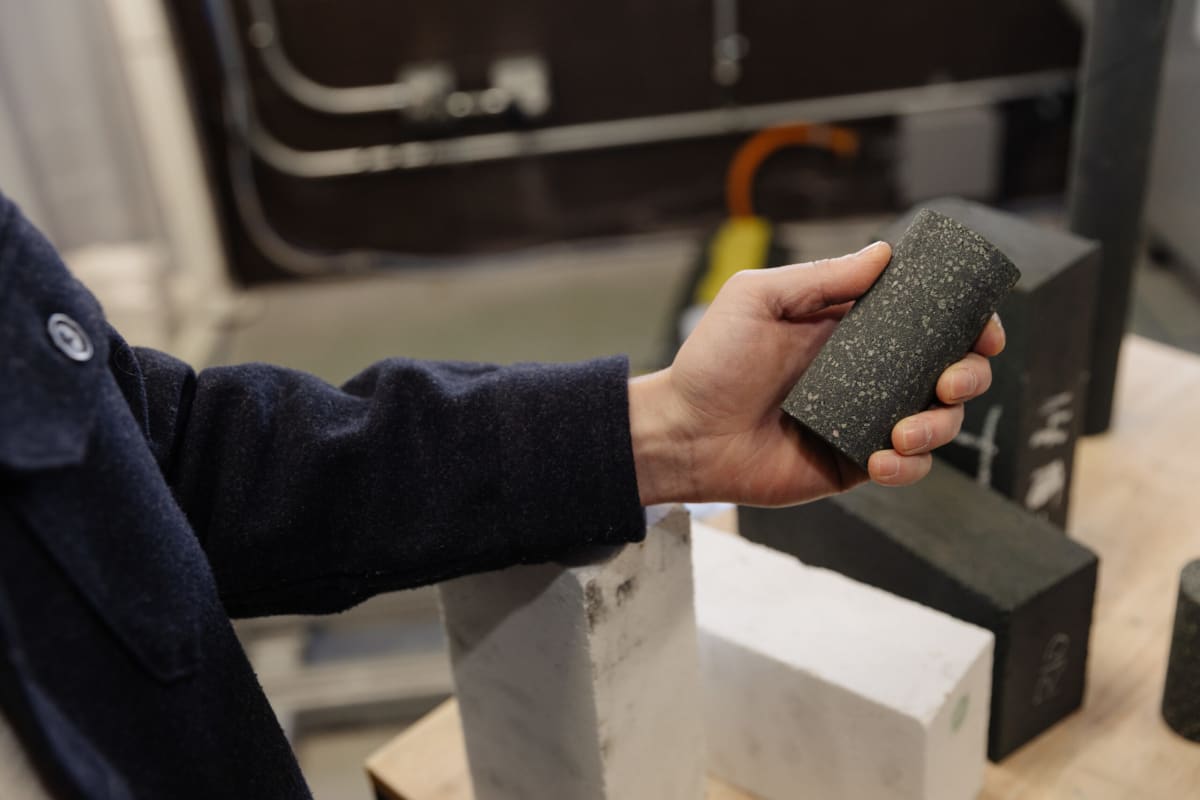
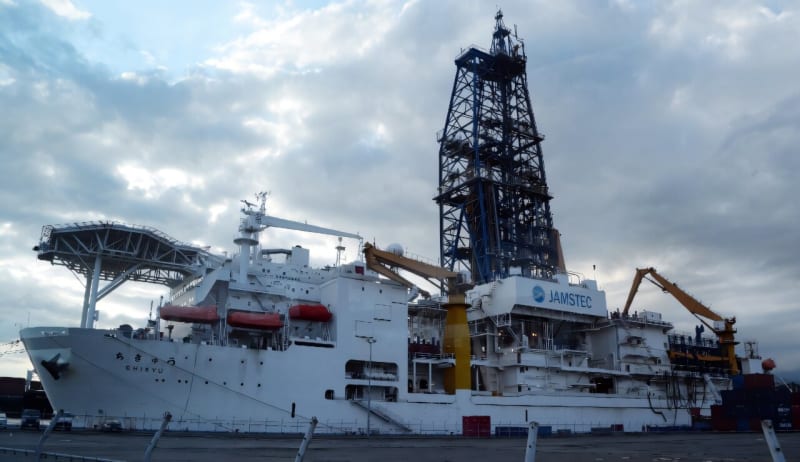
Japan's deep-sea drilling ship Chikyu has successfully retrieved sediment packed with rare earth metals from nearly four miles beneath the Pacific Ocean, marking the deepest extraction of these crucial materials ever attempted.
The mission targeted waters around Minami Torishima, a remote Japanese island where the ocean floor holds an estimated 16 million tons of rare earth deposits. That's enough dysprosium for 730 years of smartphone and electric vehicle production, and enough yttrium for 780 years of laser manufacturing.
Government spokesman Kei Sato called it "a meaningful achievement both in terms of economic security and comprehensive maritime development." Researchers are now analyzing exactly how much rare earth content the sample contains.
The stakes extend far beyond science. China currently controls nearly two-thirds of global rare earth mining and 92% of refined output, giving it enormous leverage over industries from renewable energy to national defense.
Recent tensions have made this dependence more concerning. After Japanese Prime Minister Sanae Takaichi suggested Tokyo might respond militarily to any attack on Taiwan, China blocked exports of items with potential military uses to Japan, including some rare earth elements.
Why This Inspires
This breakthrough represents more than geological success. It shows how innovation can create new pathways when old supply chains become unreliable.
Rare earths power the technologies we're counting on for a cleaner future: wind turbines, electric vehicles, and energy-efficient electronics. Japan's ability to tap its own territorial waters means these climate solutions could become more accessible and less vulnerable to geopolitical disruption.
Takahiro Kamisuna from The International Institute for Strategic Studies notes that successful extraction "will secure domestic supply chain for key industries" and significantly reduce Japan's dependence on any single supplier.
The mission does raise environmental questions. Conservation groups warn that deep-sea mining can disrupt marine ecosystems and damage the ocean floor, concerns that will need careful consideration as the technology advances.
But Japan conducted this test entirely within its own territorial waters, avoiding the international jurisdiction debates currently unfolding around deep-sea mining in international zones. The International Seabed Authority is working to establish global regulations for mining beyond national boundaries.
The Chikyu set sail just last month, making this turnaround remarkably quick. What took generations to imagine is now tangibly possible, sitting in sediment samples aboard a research vessel.
For countries seeking to build resilient supply chains for the green energy transition, this proof of concept opens exciting new possibilities beneath the waves.
More Images


Based on reporting by Phys.org
This story was written by BrightWire based on verified news reports.
Spread the positivity!
Share this good news with someone who needs it