
Japan Rugby Backs Down After 24 Citizens Sue for Equality
Twenty-four Japanese citizens born abroad just won a landmark case ensuring their passports mean equal treatment on the rugby field. Officials who tried to create a two-tier citizenship system reversed course after the players took them to court.
When 24 professional rugby players with Japanese passports learned they'd be treated as second-class citizens in their own league, they did something bold. They sued.
This week, Japan's Rugby League One backed down completely. Officials announced they're scrapping proposed rules that would have restricted players who held Japanese nationality but were born outside the country.
The controversy erupted when league administrators announced that starting in December, Japanese passport holders born abroad would face eligibility restrictions compared to native-born players. The proposed system would have created two tiers of citizenship in professional sports.
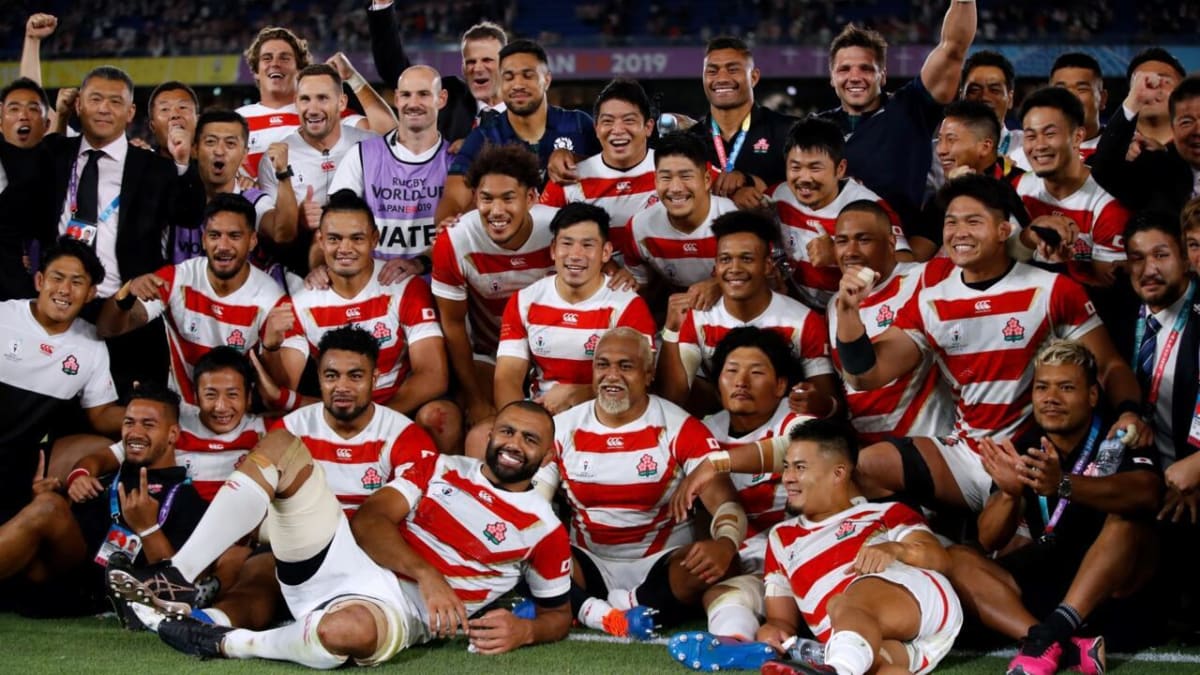
Among the players affected was Timothy Lafaele, who represented Japan at the 2019 Rugby World Cup held in Tokyo. Despite playing for the national team and holding Japanese citizenship, he would have been relegated to a lower status under the new rules.
The 24 players filed suit in Japanese court, arguing that citizenship should mean something concrete. Their legal challenge worked faster than anyone expected.
Why This Inspires
This case matters far beyond rugby fields. When institutions try to create different classes of citizens, it takes courage to push back publicly, especially in a country where challenging authority can carry social costs.
The players didn't just advocate for themselves. Their legal victory protects the principle that a passport represents full membership in a society, not a conditional acceptance that officials can revoke when convenient.
Japan Rugby League One acknowledged in its Friday statement that a "settlement had been reached," though officials provided few details about what changed their minds. The timing suggests the legal case was stronger than anticipated.
The league had justified the proposed restrictions by claiming Japan's pool of native-born players was shrinking. But the players' lawsuit forced a different question: if someone has citizenship, who gets to decide how Japanese they are?
The Bright Side
The settlement affects not just the 24 plaintiffs but establishes precedent. Any player who acquired Japanese nationality before the end of May 2025 will now be "treated on a par with native-born players," according to the league's statement.
Sports leagues worldwide regularly adjust eligibility rules for competitive or commercial advantages. What makes this case different is that Japanese citizens successfully challenged being treated as outsiders in their own country.
The case highlights a broader shift. As more people gain citizenship through naturalization rather than birth, institutions face pressure to honor what citizenship actually means: equal standing under the rules.
When these 24 players step onto the field in December, they'll compete as full equals—a win that matters far beyond the scoreboard.
More Images



Based on reporting by Google: rugby world cup
This story was written by BrightWire based on verified news reports.
Spread the positivity!
Share this good news with someone who needs it

%2Ffile%2Fattachments%2Forphans%2FTL_2610464_836254.jpg)