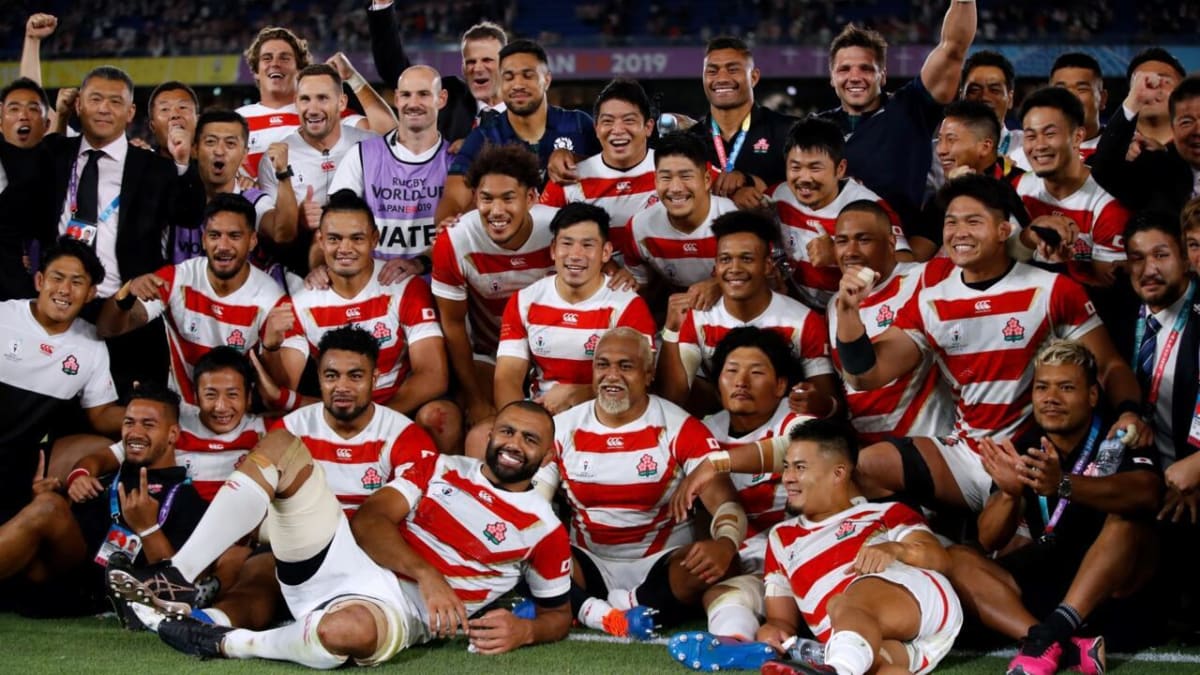
Japan Rugby Backs Down After Players Challenge Unfair Rule
Twenty-four rugby players stood up against discrimination and won. Japan's top rugby league has scrapped a controversial rule that would have limited naturalized players' careers, even after they became Japanese citizens.
When your adopted country tries to sideline you despite your citizenship, sometimes you have to fight back. That's exactly what 24 foreign-born Japanese rugby players did, and this week they scored a major victory for fairness and inclusion.
Japan Rugby League One had planned a rule change that would have restricted naturalized citizens from playing unless they completed six years of elementary school in Japan. Players born in Japan or with Japanese ancestry would face no such limits, creating a two-tier system based on birthplace rather than citizenship.
The affected athletes included heroes from Japan's stunning 2019 Rugby World Cup run. These were the same players who helped Japan make history by reaching the quarter-finals for the first time ever, defeating rugby powerhouses Ireland and Scotland along the way on home soil.
In April, the group filed formal complaints with the Japan Fair Trade Commission and Tokyo District Court. Their argument was simple but powerful: the rule would damage their livelihoods and discriminate against them despite their Japanese citizenship.
The league listened. This week, officials announced they're scrapping the controversial policy and settling the legal dispute with the players.
Many of these athletes moved to Japan from countries like Australia and New Zealand as young players chasing their rugby dreams. They built careers, earned citizenship, and represented Japan on the world stage. The proposed rule would have treated their Japanese passports as somehow less valid than others.
The Bright Side
The revised rules now treat naturalized players the same as Japan-born athletes, as long as they gained citizenship before May 2025. It's a recognition that citizenship means something real, not just paperwork with fine print.
League officials acknowledged they should have communicated better with players before proposing such a significant change. That admission matters almost as much as the policy reversal itself.
This victory extends beyond rugby. It reinforces that once someone becomes a citizen, they deserve equal treatment under the rules, whether in sports, business, or daily life. The players who helped Japan achieve its greatest rugby triumph just won another kind of victory, one that protects the next generation of athletes who choose to call Japan home.
More Images
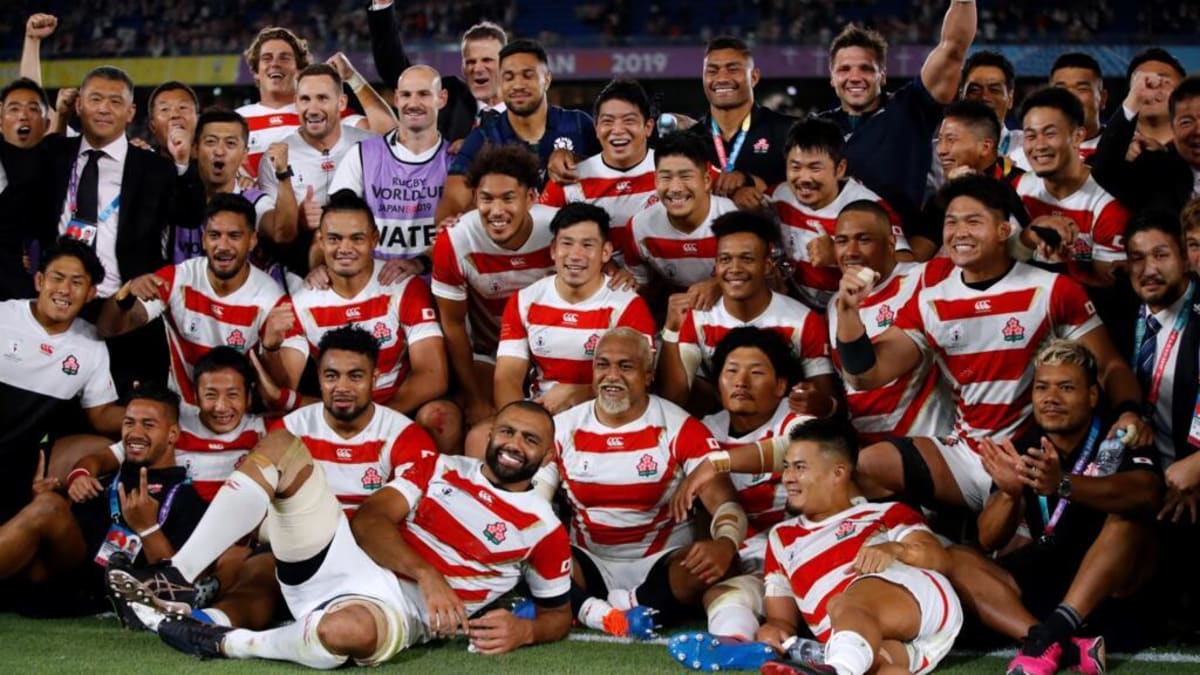
Based on reporting by Google: rugby world cup
This story was written by BrightWire based on verified news reports.
Spread the positivity!
Share this good news with someone who needs it

%2Ffile%2Fattachments%2Forphans%2FTL_2610464_836254.jpg)