Japan Strikes Rare Earth at 20,000 Feet Below Pacific
Japanese researchers just pulled off something incredible: extracting rare earth metals from 20,000 feet under the Pacific Ocean, a world first that could reshape global tech supply chains. It's a massive step toward independence from China after a 2010 crisis exposed dangerous vulnerabilities.
Six thousand meters beneath the Pacific Ocean, Japanese scientists just achieved what seemed impossible only years ago.
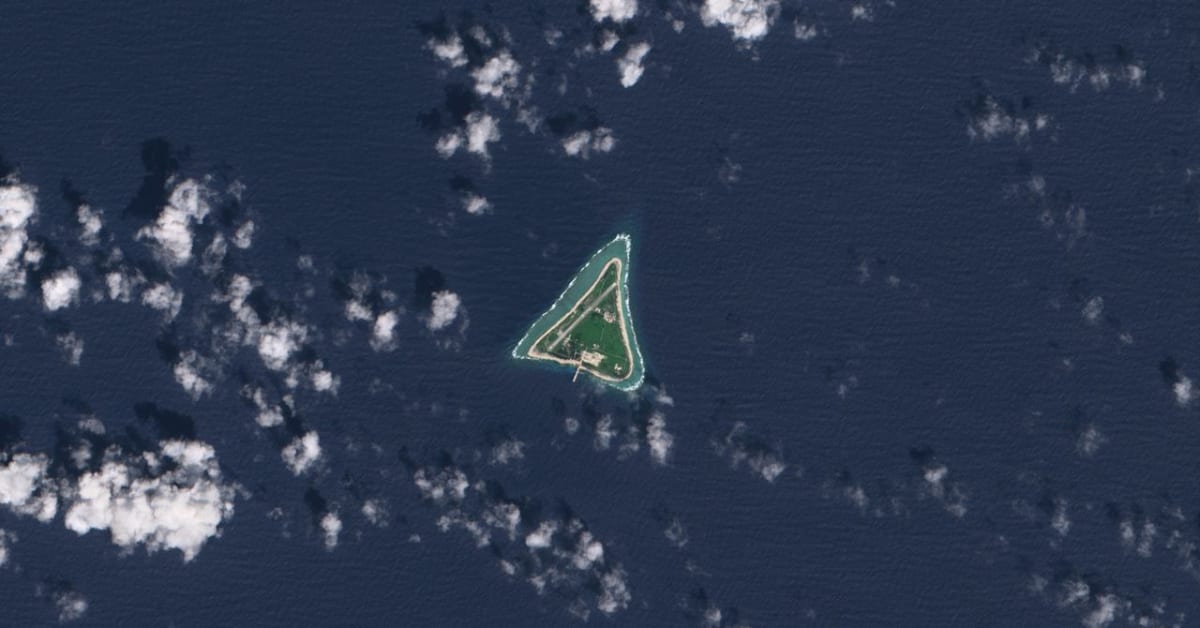
Using the deep-sea drilling vessel Chikyu near the remote atoll of Minamitorishima, researchers successfully extracted sediment samples containing rare earth elements from depths never before reached. The Japanese government called it "a significant milestone in terms of economic security," and they're not exaggerating.
Rare earths are 17 critical metals that power our modern world. They're inside electric vehicles, wind turbines, smartphones, semiconductors, and defense systems. Without them, advanced technology grinds to a halt.
The seabed around this tiny island, sitting nearly 1,250 miles southeast of Tokyo, could contain more than 16 million tons of rare earths. That would make it the world's third largest reserve. Estimates suggest the deposit holds 730 years' worth of dysprosium and 780 years of yttrium at current consumption rates.
This breakthrough didn't happen by accident. It's the result of 14 years of determined strategy following a crisis that shook Japan to its core.
In 2010, a diplomatic clash over the disputed Senkaku Islands led China to block rare earth exports to Japan for two months. At the time, Japan depended on Beijing for over 90 percent of these critical materials. Industries panicked, particularly automakers, and global prices shot up tenfold within a year.
Unlike other nations that viewed the embargo as a temporary problem, Japan saw it as an existential threat. A country without natural resources couldn't afford to depend on a regional rival for materials essential to its economic survival.
The Ripple Effect
Japan's response offers a roadmap for other nations navigating similar vulnerabilities. Tokyo launched a comprehensive strategy: investing in recycling programs, developing alternative materials, creating strategic stockpiles, and buying stakes in Australian mines through partnerships with companies like Lynas Group.
The integrated approach worked. Japan reduced its dependence on China from over 90 percent to about 50 percent today. No other major industrial nation has matched this achievement.
Japanese companies developed magnets requiring less dysprosium. Research programs explored substitute materials. Strategic reserves provided buffers against supply shocks. Each piece reinforced the others.
The breakthrough at Minamitorishima adds another powerful tool. While commercial extraction from such depths remains years away, the successful sample recovery proves it's technically possible. Analysis of the extracted sediments will determine the exact quality and quantity of rare earths present.
For a world increasingly concerned about supply chain resilience, Japan's journey from crisis to innovation offers genuine hope. One nation's vulnerability became the catalyst for remarkable ingenuity, proving that strategic vision and persistent effort can overcome even the deepest challenges.
More Images




Based on reporting by Wired
This story was written by BrightWire based on verified news reports.
Spread the positivity!
Share this good news with someone who needs it