Japan Tackles Loneliness Crisis With Community Solutions
Japan is confronting a growing isolation problem as nearly 77,000 people died alone last year, prompting new government action and grassroots community efforts. Cities are launching "connection cafes" and neighborhood programs to rebuild the social bonds that once protected vulnerable residents.
Japan is fighting back against a silent crisis that claimed nearly 77,000 lives last year through a powerful weapon: human connection.
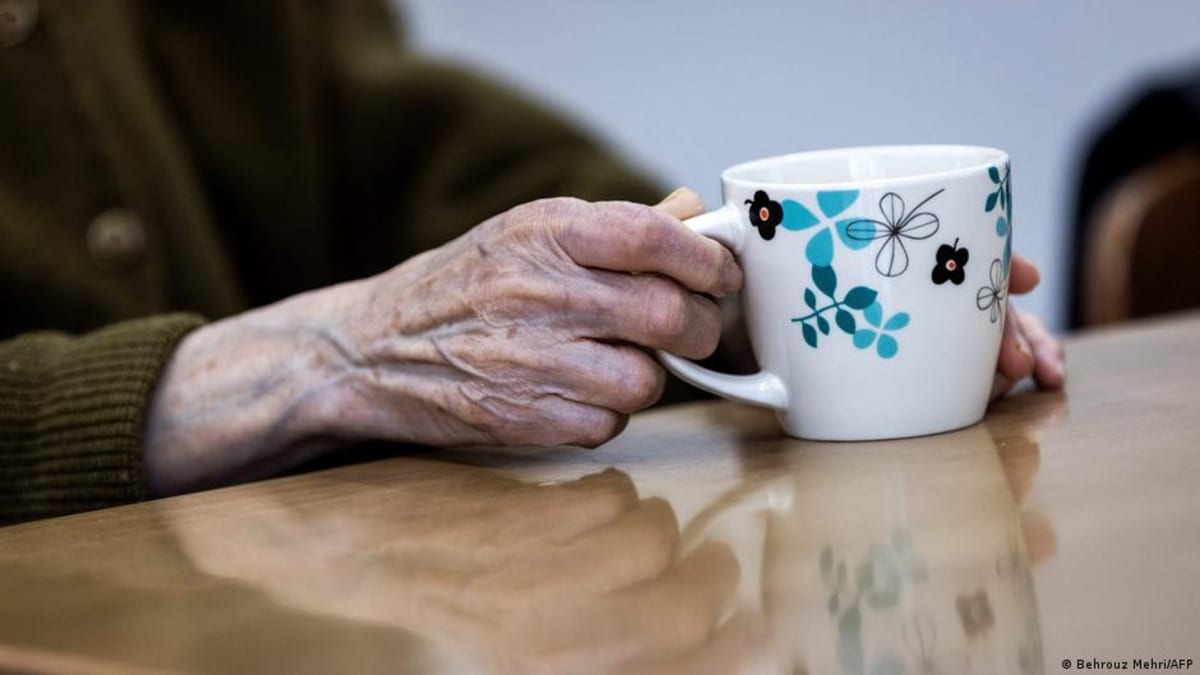
The country has faced rising "kodokushi" (lonely deaths) as modern life pulled people away from traditional multi-generation homes into isolated apartment towers. But now, communities across Japan are rebuilding the social safety nets that once kept neighbors looking out for each other.
The problem grew as young people moved from rural villages to cities for jobs and education. Three decades later, elderly residents are left behind in both countryside towns and urban high-rises where neighbors barely know each other's names.
Professor Izumi Tsuji from Tokyo's Chuo University remembers growing up in a home with parents and grandparents, where children played together in open spaces and everyone knew their neighbors. "There was always a support mechanism in place," he said.
That community spirit is making a comeback through grassroots efforts. Japanese cities have launched "connection cafes" where isolated residents can meet, talk, and form friendships that combat loneliness and poverty.
The government is taking the issue seriously too. In 2021, Japan created a dedicated Minister for Loneliness and Isolation to coordinate nationwide efforts and develop programs that bring people together.
Why This Inspires
Japan's response shows how societies can acknowledge painful problems and take concrete action. Rather than accepting isolation as inevitable in modern life, communities are choosing connection.
The café movement and neighborhood programs prove that solutions don't always require massive funding. Sometimes progress means recreating the simple human interactions that protected people for generations.
Young people are also affected, with over 800 deaths among those under 30 last year. This makes the push for community connection urgent across all age groups.
Tsuji advocates for redesigning urban spaces to foster interaction rather than isolation, arguing that humans need relationships to thrive. While his call to replace tower blocks with community-style housing faces challenges, the conversation itself represents progress.
As Japan's population ages, these early interventions could prevent thousands of lonely deaths in coming years. The country is learning that modern life doesn't have to mean isolated life.
Japan is proving that even deep social problems can be addressed when communities decide that no one should face their final days alone.
Based on reporting by DW News
This story was written by BrightWire based on verified news reports.
Spread the positivity!
Share this good news with someone who needs it