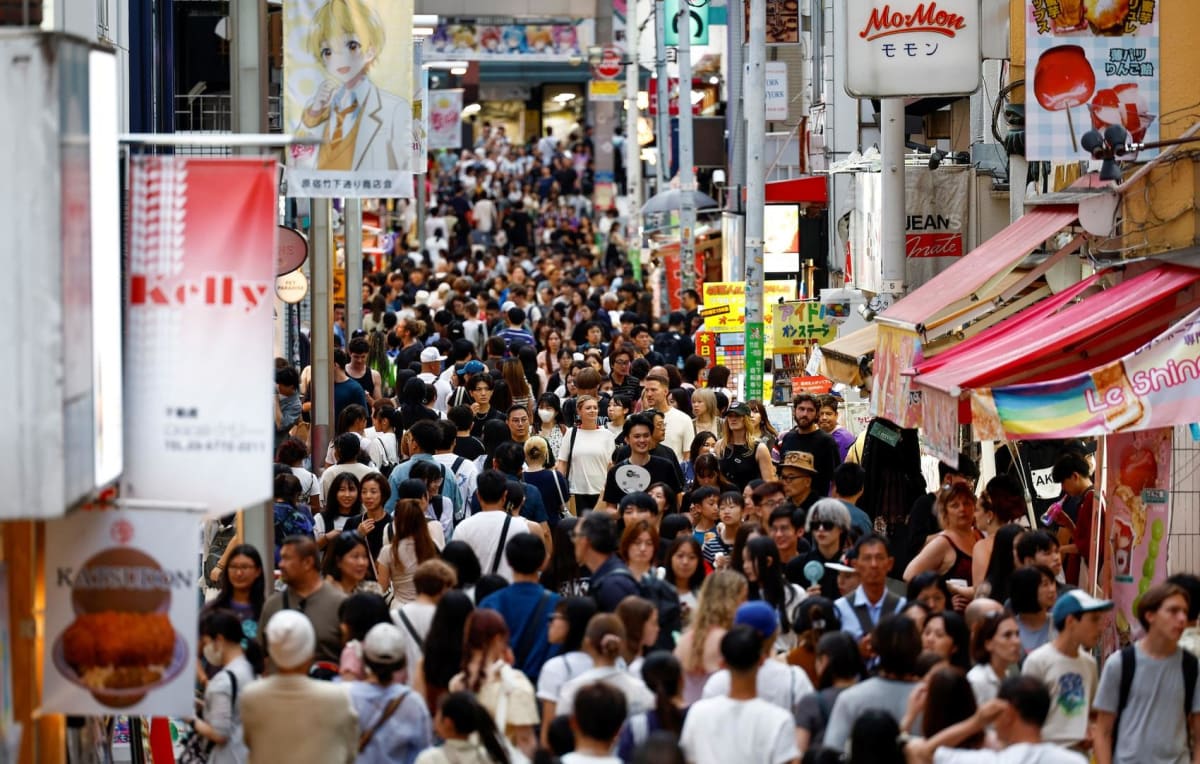
Japan Tackles Overtourism in 100 Cities by 2030
Japan just approved an ambitious plan to protect 100 communities from overtourism within five years while still welcoming record numbers of visitors. The country is proving you can grow tourism and preserve local quality of life at the same time.
Japan just showed the world how to grow tourism responsibly. The government approved a groundbreaking plan Friday to implement overtourism solutions in 100 areas by 2030, the first time it's set a concrete target for protecting communities overwhelmed by visitors.
The five-year plan tackles a challenge many popular destinations face: how to welcome tourists without sacrificing what makes places special. With a record 42.7 million foreign visitors in 2025 spending $60 billion, tourism drives Japan's economy while sometimes straining local communities.
Already, 47 areas including Kyoto have started testing solutions based on what residents actually want. The new plan expands these efforts nationwide, focusing on easing road congestion, managing visitor numbers, and improving transportation to spread tourists beyond overcrowded hotspots.
The approach is refreshingly balanced. Japan isn't closing its doors. It's still aiming for 60 million annual visitors and $94 billion in tourism spending by 2030. But now there's equal emphasis on making sure locals can live comfortably alongside visitors.
One innovative idea: dual pricing at public tourism sites, where residents might pay less than international visitors. The government is considering official guidelines to make this fair and transparent.
The plan also aims to increase repeat visitors from 27.6 million to 40 million by 2030. That focus on quality over quantity matters because return visitors tend to explore beyond famous landmarks, naturally reducing pressure on overcrowded spots.
The Ripple Effect
This plan could reshape how countries worldwide think about tourism. For too long, the conversation has been either-or: economic growth or community wellbeing. Japan is demonstrating you can design for both.
The timing matters too. As global travel rebounds and destinations everywhere grapple with overcrowding, Japan's measurable targets and resident-first approach offer a blueprint others can follow.
Regional communities stand to benefit most. Better transportation infrastructure means tourists can easily reach smaller cities and rural areas that want visitors but rarely get them. Local economies grow while pressure on Tokyo and Kyoto eases.
The plan represents a fundamental shift in how governments measure tourism success. Not just visitor numbers and spending, but whether people who live in tourist destinations can still afford housing, navigate their streets, and enjoy their own neighborhoods.
Japan is turning overtourism from an unsolvable problem into a manageable challenge with clear goals and timelines.
More Images


Based on reporting by Japan Today
This story was written by BrightWire based on verified news reports.
Spread the positivity!
Share this good news with someone who needs it